
Track Selection
Track Selection is the DJ skill of choosing the right records at the right moment to control energy, tell a story, and move a crowd.
Track Selection Tutorials
Track Selection is the art of choosing the right record at the right moment. It connects your taste, the room, and the story you want to tell. Before you dive in, master beat matching fundamentals and learn harmonic mixing to free your ears for decision-making.
What Is Track Selection?
Track Selection is a decision workflow. You filter a large library down to a handful of options, then pick one that advances the energy, key, and emotional arc of the set.
Done well, Track Selection keeps the floor engaged, avoids clashes, and gives you room to improvise. It relies on knowledge of structure, tempo ranges, and how crowds respond across the night.
Why Master Track Selection
- Control energy and mood instead of reacting late.
- Translate personal taste into a consistent story.
- Reduce decision fatigue with organized options.
- Adapt to requests and surprises without losing flow.
- Record mixes that stand up outside the club.
Core Technique Breakdown
Use this repeatable process to make confident choices in the booth.
| Step | Action | Key Point |
|---|---|---|
| 1 | Define intent for the next 8–32 bars | Lift, hold, or reset energy. Decide before you browse. |
| 2 | Constrain tempo and key | Stay within a BPM window and compatible keys to keep options musical. |
| 3 | Shortlist 3–5 candidates | Use tags like opener, peak, vocal, tool to filter fast. |
| 4 | Preview structure points | Check intro, break, drop, and outro length for phrase alignment. |
| 5 | Assess energy shape | Prefer tracks whose build or drop matches your intent. |
| 6 | Choose the narrative fit | Older gem or new heater. Surprise or satisfy. |
| 7 | Plan the exit | Spot the next mix point now to avoid dead ends. |
| 8 | Commit cleanly | Set cues, match phrasing, and execute with confidence. |
Preparation Workflow
Preparation multiplies your options. Build crates or playlists by BPM, key, energy, vocals, and function. The DJ TechTools guide on organizing playlists by energy explains practical categories for faster choices, and Serato’s Smart Crates let you filter by tags like BPM, key, and comments automatically during prep. Some DJs prefer a hierarchical library with gig-specific subsets, while others use systematic preparation tools such as Vibes to create custom category systems, test transitions, and export an organized structure to performance software. The principle is the same: a structured library reduces friction when the room shifts. See the DJ TechTools guide on organizing playlists by energy and Serato Support documentation on Smart Crates for concrete setups.
If you rely on key compatibility, the Mixed In Key official Harmonic Mixing guide details Camelot movement so you can plan friendly transitions without guesswork. Use same-key or adjacent moves when you want smooth blends, and reserve bigger jumps for resets.
Reading the room is part of selection. The DJ TechTools article on reading the dance floor covers practical observation habits. For shared sets, Pioneer DJ’s feature on back-to-back flow shows how track turns and pacing affect the arc.
Practice Drills for Track Selection
Through daily 15–30 minute sessions over years, I found short, focused Track Selection drills build instincts faster than marathon sessions. Keep options tight, decide quickly, and review results after each mix.
Organize practice materials into gig-sized groups. Some DJs use color-coded crates and smart filters in their DJ apps. Others assemble curated practice sets with multi-attribute categories and a visual set planning interface; Vibes supports this workflow while keeping export to Rekordbox or similar straightforward.
Common Mistakes
| Mistake | Why It Happens | Solution |
|---|---|---|
| Browsing without constraints | Too many options create decision fatigue | Decide intent, BPM, and key before you browse; shortlist 3–5. |
| Chasing only new releases | Fear of sounding dated | Blend older staples that fit the arc; focus on function over date. |
| Ignoring structure length | Breaks and drops misalign | Preview phrase points and set cues for aligned entries and exits. |
| Over-relying on energy ratings | Numbers do not reflect crowd context | Trust your ears; tag by real dancefloor outcomes after testing. |
| No exit plan | Great track leads to a dead end | Always identify the next mix point while selecting the current track. |
Equipment and Setup
Essential: a controller or media players, headphones, and a prepared local library on laptop or USB. Keep your analysis data, cues, and comments synced and backed up.
Optional: key detection and smart crates to accelerate filtering. Serato’s documentation covers crates and Smart Crates, and the Mixed In Key guide explains compatible key moves you can tag into comments for faster selection.
Examples and Application
Warm-up: space, groove, and vocal hooks that invite rather than demand. Peak: 1–3 highlights spaced apart. Reset: deeper cut or acapella tool to breathe, then rebuild. Record your sets and note which selections moved the room.
The visual way to organize your DJ library
Tag tracks by vibe. See everything at once. Export to rekordbox, Serato, Traktor or Engine DJ.
14-day free trial. Full access, no strings attached.
or see how it works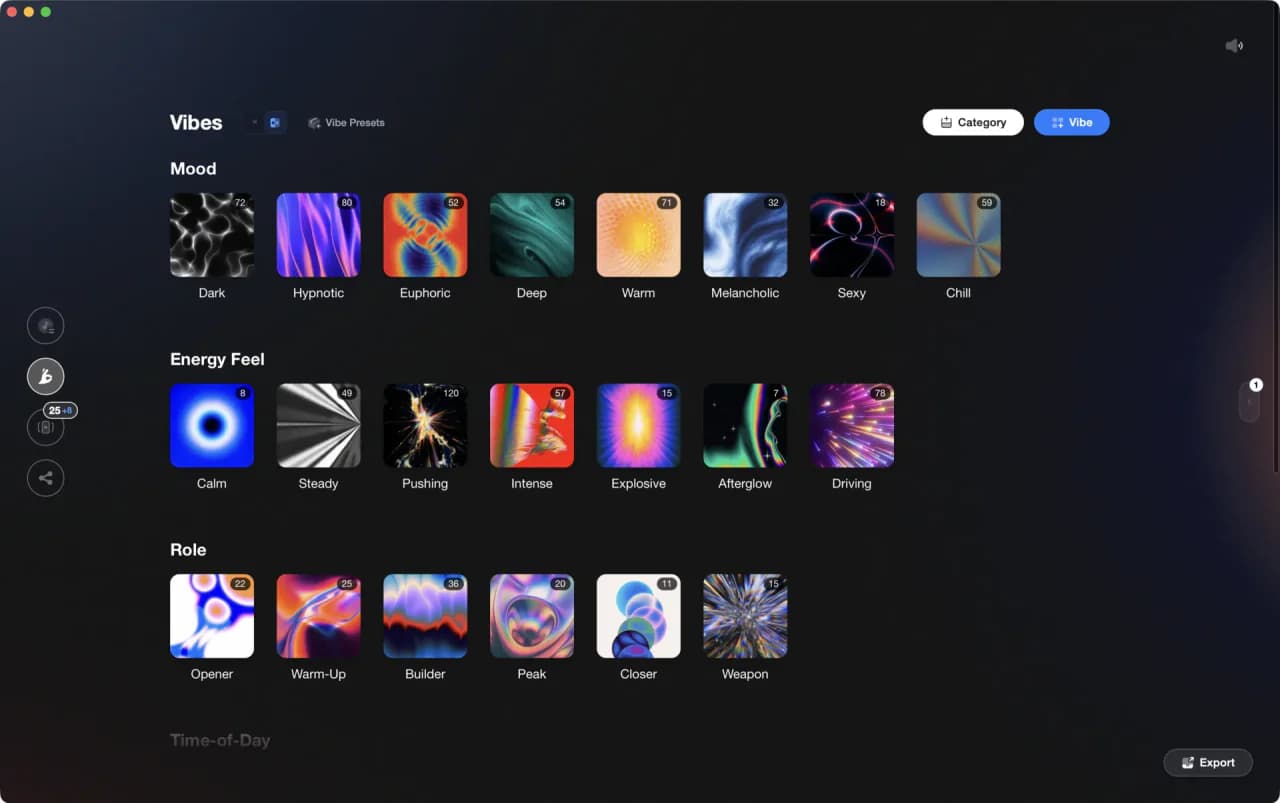
More Tutorials
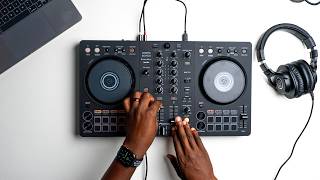
DJ Setup Types
Transition DJ Online: Browser Mixer Workflow
Virtual DJ Library Setup That Sticks
Professional DJ Controller: Battle vs Club Layout, Jogs, and I/O
House Trance: Sound, Structure, Mixing
DJ Set Preparation That Actually Flows
DJ Transitions: The Three-Layer Handoff for Beginners
Franchise Record Pool Guide for DJs
Beginner DJ Equipment: What You Need
How To Mix In Key Live: Worked Transitions And Failure Fixes
Starter DJ Controller Buying Guide
How to DJ: First Mix, Step by Step
DJ City Song: What You Actually Get

How Can I Be a DJ and Start Strong
DJ Record Pool Guide for Working DJs
Portable DJ Controller Buying Guide
90s House Music: Origins, Sound, Key Tracks
DJ Starter Equipment: What to Buy First (and What to Skip)
Virtual DJ Tutorial: Beatmatching Basics

What Is a House DJ?
Mixed In Key Database Guide
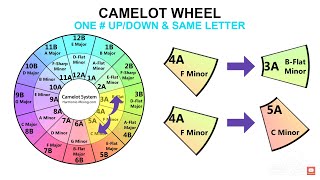
DJ Key Wheel Decision Framework: Four Safe Moves and Advanced Jumps
Best DJ Controller: How to Choose
DJ Library Organization System: Tags, Crates, Keys
Equipment You'll Need
Yamaha REV5
optionalThe Yamaha REV5 is a 2U rackmount digital **reverberator** built for studios and live rigs. If you want hardware ambience with surgical control, the Yamaha REV5 still delivers. Its balanced I/O, per‑program parametric EQ, and MIDI backup make it a reliable problem solver as well as a creative reverb. This page covers Yamaha REV5 features, specifications, pricing context, and the best alternatives.
Novation Launchpad X
optionalThe Novation Launchpad X is a 64-pad MIDI grid controller built for live clip launching and DJ performance. Trigger stems, loops, and one-shots in Ableton Session View or map to Traktor Remix Decks. RGB feedback keeps you oriented during high-energy sets.
Ableton Live
optionalAbleton Live is the go-to DAW for hybrid DJ sets and live electronic performance. Session View enables non-linear clip launching perfect for DJs transitioning from decks. Use it alongside CDJs, with controllers like Push and Launchpad, or as your complete performance rig.
Native Instruments FM8
optionalNative Instruments FM8 is a powerhouse FM synthesizer for hybrid DJ sets and live performance. Its low CPU usage and bright, cutting tones make it ideal for layering over tracks in a live mix. Bounce FM8 basslines as audio loops for Traktor Remix Decks or Ableton clips.
Platinum Notes 10
optionalPlatinum Notes 10 evens loudness, repairs clipped peaks, and prepares DJ files for more consistent playback in Serato, rekordbox, and Traktor.
Cockos REAPER
optionalA lightweight, deeply customizable digital audio workstation for recording, editing, mixing, MIDI production, and post work on Windows, macOS, and Linux.
Pioneer DJ DDJ-SB
optionalA compact 2-channel USB DJ controller designed for Serato DJ Intro and later supported with Serato DJ Lite and Serato DJ Pro.
Traxsource
optionalTraxsource is a digital music download store focused on house and underground dance music for DJs.
Native Instruments Traktor Pro 4
optionalA professional 4-deck DJ software platform with stem separation, flexible beatgrids, effects, DVS support, and broad controller integration.
Numark Mixtrack Pro FX
optionalA 2-deck USB DJ controller with a built-in audio interface, capacitive jog wheels, performance pads, and Serato DJ Lite support.
Pioneer DJ DDJ-FLX4
optionalA compact 2-channel DJ controller with built-in audio interface, USB-C connectivity, and beginner-friendly smart mixing features.
Hercules DJControl Inpulse 500
optionalA 2-channel USB DJ controller with built-in audio interface, performance pads, and guided mixing features for home practice and small public sets.
Pioneer DJ CDJ-3000
optionalProfessional flagship DJ media player with a 9-inch touchscreen, advanced MPU processing, and club-standard Pro DJ Link workflow.
Beatport
optionalBeatport is a DJ-focused electronic music store and streaming platform for discovering, buying, and streaming tracks into supported DJ software and hardware.
VirtualDJ
optionalDJ software for Windows and macOS that handles audio mixing, video mixing, karaoke, stems, and broad hardware support.
Serato DJ Pro
optionalProfessional DJ software for mixing, performance, library management, recording, and hardware-integrated club workflows.
Pioneer DJ DDJ-1000
optionalA 4-channel rekordbox DJ controller with full-size jog wheels, onboard displays, and club-style mixer controls.
DJControl Inpulse 200 MK2
optionalCompact 2‑deck USB DJ controller with built‑in audio, Beatmatch Guide LEDs, and Serato DJ Lite/DJUCED integration.
rekordbox
optionalCloud-connected DJ software for music management, performance, export prep, and club-standard hardware integration.
Pioneer DJ DDJ-400
optionalA compact 2-channel USB DJ controller built for rekordbox with a club-style layout aimed at new and progressing DJs.
VirtualDJ 7
optionalA legacy DJ software platform for audio and video mixing, controller mapping, and DVS playback on Windows and Mac.
Pioneer CDJ-400
optionalA discontinued digital DJ media player that plays CDs and MP3 files from USB storage, and can also work as a MIDI controller and USB audio interface.
Traktor MX2
optionalA 2-channel DJ controller with integrated audio interface and tight Traktor Pro 4 integration for mixing, stems, effects, and performance pads.
Numark Mixtrack Pro II
optionalA two-channel USB DJ controller with a built-in audio interface, touch-activated jog wheels, and performance pads for Serato-compatible mixing.
Serato DJ Lite
optionalFree two-deck DJ software for Mac and Windows that introduces Serato’s workflow, controller support, and basic mixing tools.
Pioneer CDJ-1000
optionalA discontinued professional CD-based DJ player that helped define the modern club-standard jog-wheel workflow.
Mixed In Key 11
optionalStandalone harmonic-mixing and library-prep software that detects keys, energy levels, cue points, and tags for DJ sets.
MIDI Controller
optionalA MIDI Controller is an input device that sends performance data to software instruments, hardware synths, drum machines, and DAWs. If you need hands-on control for playing notes, triggering clips, or automating parameters, a MIDI Controller is the tool that ties your setup together. It does not generate audio on its own.
Frequently Asked Questions

Hey, it's Ben Modigell 👋
I DJ and produce as so I so: downtempo, minimal, dub house, tech house, and techno (releases on Spotify and SoundCloud, links above). Everything I write here comes from my own gigs, studio sessions, and library cleanups: the rules I follow, the failure modes I have actually hit, and the workflow I use when nobody is watching. If a technique did not earn its place in my own sets, it does not make it into a tutorial.