
Pioneer DJ CDJ-3000
·Pioneer DJProfessional flagship DJ media player with a 9-inch touchscreen, advanced MPU processing, and club-standard Pro DJ Link workflow.
The Pioneer DJ [CDJ](/glossary/cdj)-3000 is the flagship media player that still defines what most DJs mean by a modern club setup. If you play venues, festivals, or long-form sets where muscle memory matters, the Pioneer DJ CDJ-3000 stays relevant because its workflow is familiar, fast, and widely installed.
CDJ-3000 Overview
The Pioneer DJ CDJ-3000 is best for working DJs who want the current club-standard player, not the cheapest route into standalone mixing. It solves one clear problem: preparing and performing on the same layout you will likely meet in professional booths.
This matters more than spec-sheet bragging rights. In practice, the Pioneer DJ CDJ-3000 gives you fast browsing, a large touchscreen, precise jog response, and direct access to eight Hot Cues without feeling cramped.
Compared with older Pioneer players, the CDJ-3000 feels quicker and more immediate. The internal MPU was a major shift, and it shows up in faster screen response, smoother waveform handling, and a layout that makes high-pressure transitions easier.
If you are deciding whether the CDJ-3000 is still worth buying in 2026, the answer depends on where you play. For club training, rider familiarity, and dependable rekordbox workflow, yes. For pure feature value at home, newer or cheaper options can make more sense.
The main complication is timing. AlphaTheta has already introduced the newer CDJ-3000X, so the original CDJ-3000 now sits in a strange spot: still highly usable, still widely deployed, but no longer the newest flagship in the line.
Key Features
The headline feature is speed. The CDJ-3000 uses an advanced MPU platform instead of the older architecture found in previous generations, and that gives the player a noticeably snappier feel when loading tracks, zooming waveforms, or jumping through playlists.
The 9-inch touchscreen is another big reason people move up. It is clearer and easier to read than older club decks, and features like Touch Preview, Touch Cue, stacked waveforms, and three-band waveform display help you make faster decisions under pressure.
Performance controls are also stronger than they look on paper. Eight hardware Hot Cue buttons, dedicated Beat Jump buttons, and an expanded Beat Loop section make the player feel closer to an instrument than a simple track launcher.
The jog wheel remains very familiar, which is exactly the point. Pioneer refined the feel rather than reinventing it, so scratch gestures, pitch bending, and cue nudging feel predictable if you already know the ecosystem.
Pro DJ Link is still one of the strongest reasons to choose this platform. With Gigabit Ethernet support, the CDJ-3000 can share media and performance data across a linked setup, which keeps multi-player booths tidy and reliable.
I have tested club gear in real venues, including dark and awkward booths where speed matters more than feature lists. In that context, the CDJ-3000's larger screen, dedicated cue controls, and easy low-light readability matter more than marketing language about innovation.
Technical Specs
The CDJ-3000 is a large professional deck with the connections and audio figures you expect at this level. Official and retailer specs agree on the core numbers, and they tell a clear story: this is built for fixed booths, touring rigs, and serious practice spaces.
| Specification | Details |
|---|---|
| Dimensions | 329 x 453 x 118 mm |
| Weight | 5.5 kg |
| Display | 9-inch high-resolution touchscreen |
| Jog Wheel | 206 mm |
| Outputs | RCA analog out, coaxial digital out |
| Ports | USB Type-A, USB Type-B, LAN (1000Base-T) |
| Playable Media | SD card, USB drive, PC/Mac, iPhone |
| Formats | WAV, AIFF, FLAC, ALAC, MP3, AAC |
| Frequency Response | 4 Hz to 40 kHz |
| S/N Ratio | 115 dB |
| THD | 0.0018% or less |
| Power | AC 100-240 V, 50/60 Hz, 40 W |
A few missing items are worth noting. The original CDJ-3000 does not offer built-in Wi-Fi or direct streaming access like the newer AlphaTheta CDJ-3000X. If cloud access is central to your workflow, that newer deck is the more relevant comparison.
Who Is This For
This player is for DJs who need booth familiarity, durable hardware, and quick track handling. If you regularly play clubs, share gear with other artists, or want home practice that matches venue expectations, the CDJ-3000 makes immediate sense.
It also suits serious learners with long-term goals. Buying club-standard gear can be expensive, but it removes the translation gap between bedroom practice and live sets.
It is less ideal for casual home users. A pair of CDJ-3000s plus a mixer costs far more than many all-in-one systems, and you may not use the extra booth-focused polish every day.
If your priority is feature density per dollar, the Denon DJ SC6000 PRIME or a strong all-in-one system may stretch your budget further. If your priority is club translation, the CDJ-3000 still earns its place.
In Practice
In use, the CDJ-3000 feels polished rather than flashy. You notice the faster browsing first, then the better screen visibility, then the small workflow details that reduce hesitation during a mix.
That is why many professionals still prefer it. The deck gets out of your way.
The layout is spacious enough to work confidently in low light. Cue controls are easy to reach, the touchscreen gives useful information without feeling crowded, and waveform reading is more comfortable than it was on older Nexus-era players.
Build quality also feels appropriate for the price. The unit is heavy enough to feel planted, the top panel is robust, and the transport buttons were specifically improved for longer service life in busy booths.
What holds up in a dark, busy booth is reliability and quick, readable control, not a long spec sheet. The CDJ-3000 is not portable in the casual sense, but it scores very high on booth clarity and confidence during real sets.
The audio side is strong as well. A 115 dB signal-to-noise ratio, very low distortion, and both analog and digital outputs make it easy to integrate into higher-end mixer chains like the DJM-A9 or older Nexus club installs.
There are caveats. The original model now sits behind the CDJ-3000X in the product line, and firmware history shows that AlphaTheta has had to manage issues on this platform over time. That does not erase the deck's strengths, but it makes update discipline important for working DJs.
Pros and Cons
The CDJ-3000 is easy to recommend when reliability and booth familiarity come first. It is harder to recommend when value and feature-per-dollar are your main filters.
Pros
- Fast MPU-driven workflow.
- Large and readable touchscreen.
- Excellent Hot Cue access.
- Strong Pro DJ Link ecosystem.
- Familiar club-standard layout.
- Very solid audio performance.
Cons
- -Premium price.
- -Expensive to build a full setup.
- -Original model lacks the cloud and streaming additions of the CDJ-3000X.
- -Less compelling for home-only DJs.
Price and Value
The current price picture puts the CDJ-3000 firmly in premium territory. Recent listings show new pricing around $2,549 in the US, roughly €2,274 in Europe on used and market listings, and about £2,099 in the UK depending on retailer stock and availability.
Used pricing stays high too. Reverb listings still cluster around the low-to-mid €2,200 range, which tells you demand remains strong even after the arrival of the CDJ-3000X.
This means value depends heavily on your goal. For commercial booths, rental fleets, and DJs who want exact club transfer, the cost is easier to justify. For home users, that same money can buy a capable all-in-one system or a pair of lower-cost players plus a strong mixer.
The existence of the CDJ-3000X complicates the equation. If you are already close to three thousand dollars per deck, you should compare the newer model carefully before committing to older stock.
Alternatives
The obvious alternatives depend on what you want to optimize. Most buyers are choosing between cheaper club-style players, feature-heavy competitors, or the newer flagship above this model.
| Product | Price | Key Difference |
|---|---|---|
| Pioneer DJ XDJ-1000MK2 | $1,399 | Cheaper route into standalone Pioneer workflow |
| Denon DJ SC6000 PRIME | $1,899 | Dual-layer playback and broader onboard features |
| AlphaTheta CDJ-3000X | $2,999 | Adds Wi-Fi, NFC, streaming, and updated cue tools |
If you want a lower-cost Pioneer path, the XDJ-1000MK2 is still the natural step down. If you want a broader feature set and do not care as much about club ubiquity, Denon remains the sharper value play.
Bottom Line
The Pioneer DJ CDJ-3000 remains one of the safest choices for professional DJ work because it matches the real world. It is fast, clear, dependable, and deeply familiar in booths where mistakes are expensive.
That does not make it the automatic best buy. The original model is now challenged from both directions: cheaper players offer better value, and the CDJ-3000X offers a more current flagship feature set.
Still, if your question is simple, the answer is simple. Need the club-standard player that most directly prepares you for professional booths? The CDJ-3000 still does that job extremely well.
The visual way to organize your DJ library
Tag tracks by vibe. See everything at once. Export to rekordbox, Serato, Traktor or Engine DJ.
14-day free trial. Full access, no strings attached.
or see how it works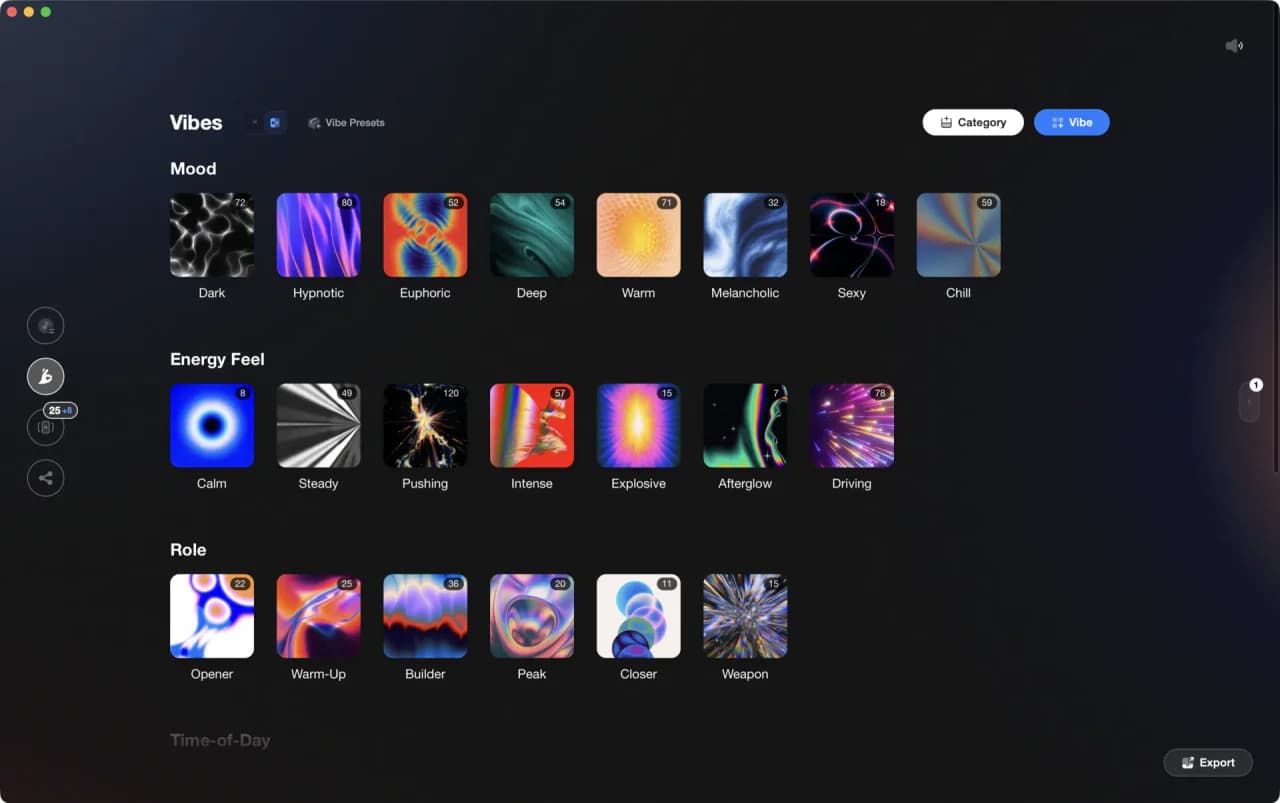
Tutorials Using Pioneer DJ CDJ-3000

How Can I Be a DJ and Start Strong
DJ Starter Equipment: What to Buy First (and What to Skip)
Transition DJ Online: Browser Mixer Workflow
Beginner DJ Equipment: What You Need

DJ Playlist Spotify: Mixing With Streaming Inside Rekordbox
Portable DJ Controller Buying Guide
DJ Techniques Using This Gear
See how DJs and live performers incorporate Pioneer DJ CDJ-3000 into their workflow.


Frequently Asked Questions

Hey, it's Ben Modigell 👋
I DJ and produce as so I so: downtempo, minimal, dub house, tech house, and techno (releases on Spotify and SoundCloud, links above). Everything I write here comes from my own gigs, studio sessions, and library cleanups: the rules I follow, the failure modes I have actually hit, and the workflow I use when nobody is watching. If a technique did not earn its place in my own sets, it does not make it into a tutorial.