Streaming & Digital

ID3 Tags / Metadata

Reviewed by

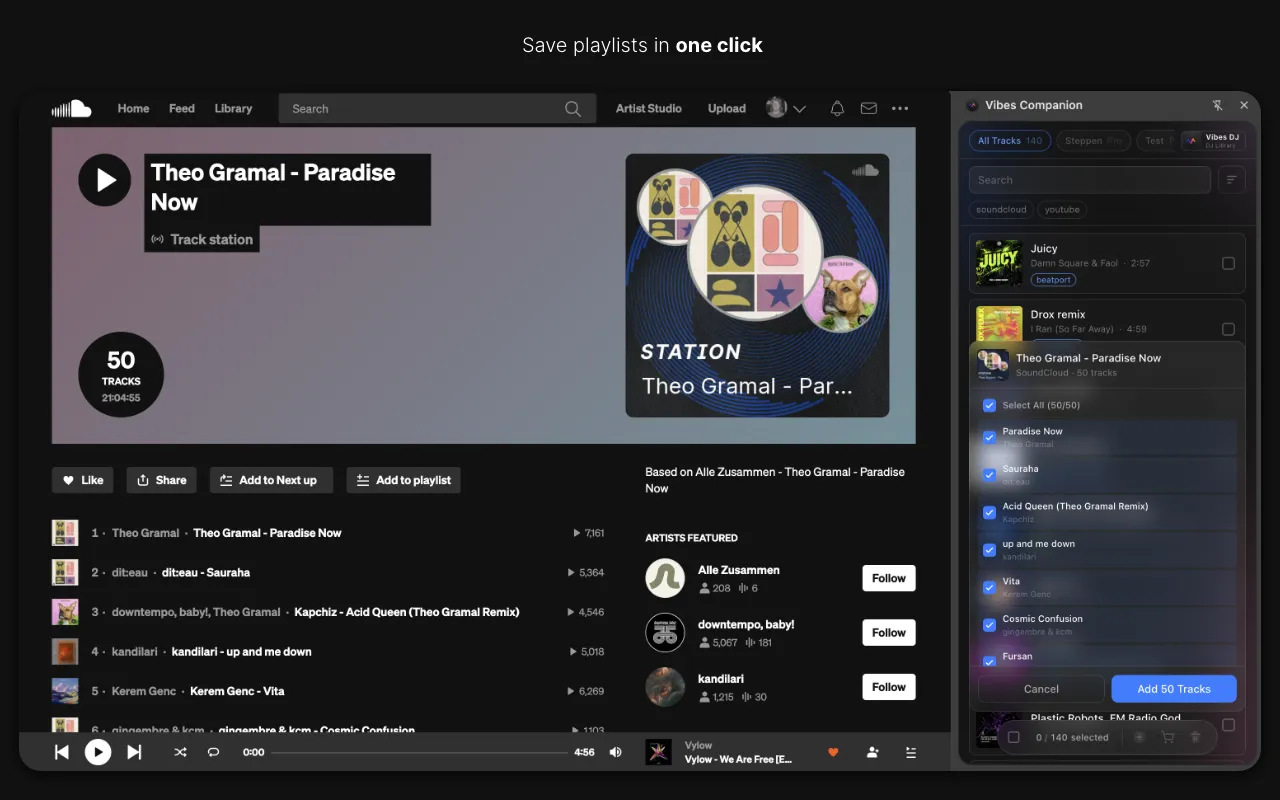
Data fields embedded in an audio file (title, artist, BPM, key, genre, artwork) that DJ software reads to populate, search, and filter your library.

ID3 tags are structured metadata fields stored inside an audio file that carry information such as title, artist, album, BPM, musical key, genre, and artwork. DJ software reads these fields to build and search the library without scanning filenames.

Why it matters

Clean, consistent tags are what let you filter by key, sort by BPM, or pull a genre crate instantly under pressure. Missing or incorrect BPM and key tags break harmonic mixing workflows at the point when you need them most.

In practice

Standardize tags before files enter your library: use one tagger (or your DJ software's built-in analyzer) to write BPM and key, then lock the values so future imports do not overwrite them.

Frequently asked questions

DJ software like Rekordbox, Serato, and Traktor builds its entire library view from tag data. If your BPM, key, and genre fields are accurate, you can filter and search in the booth instead of scrolling through thousands of tracks by memory. Clean tags are the foundation of any efficient DJ library.
Most DJ software lets you edit tags directly in the library panel. Dedicated tag editors like Mp3tag (Windows/Mac) give you batch editing across hundreds of files at once, which is faster for bulk cleanup. Changes write back to the file and sync across any software that reads standard ID3.
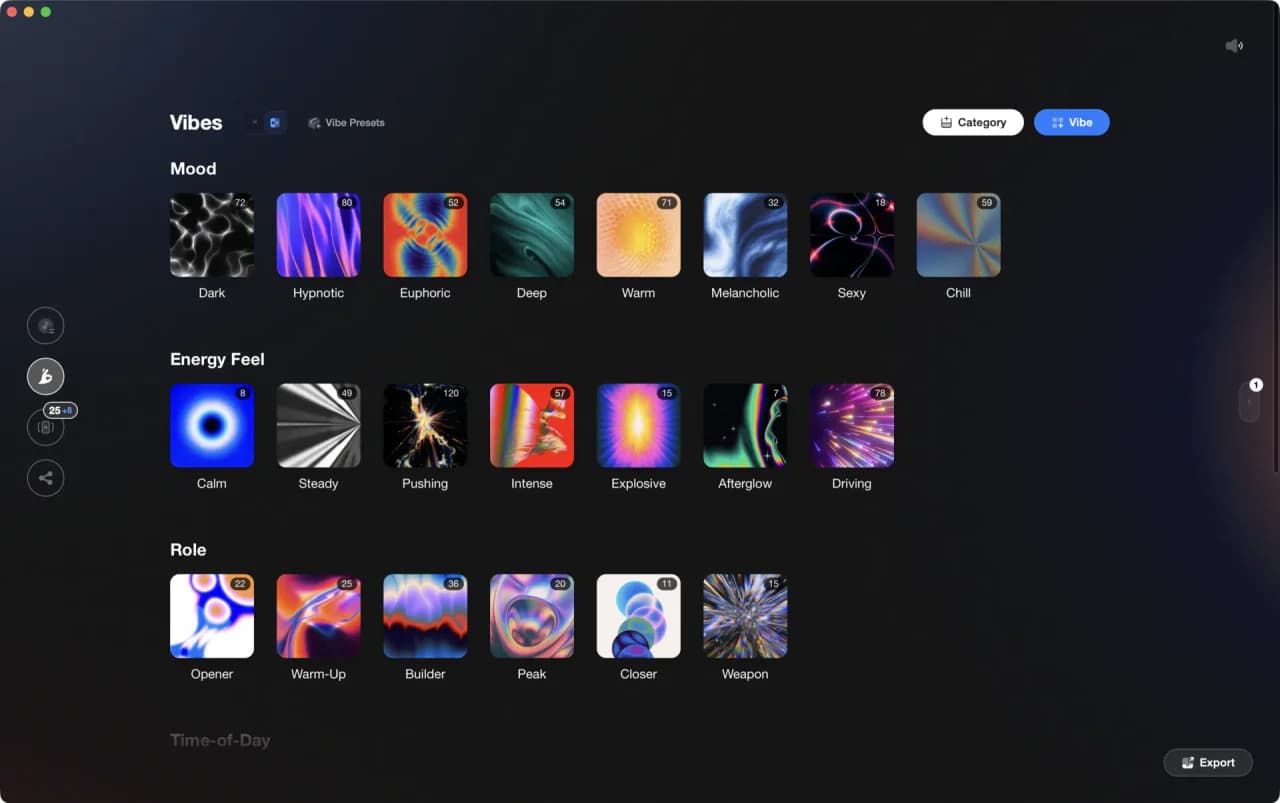
BPM and key are the highest-value fields because they power harmonic mixing and tempo filtering. Artist, title, and genre keep your search results clean. Energy level and custom comment fields are optional but useful for tagging mood or set context. Artwork is nice-to-have but does not affect mixing.
Ben Modigell

Hey, it's Ben Modigell 👋

I DJ and produce as so I so — downtempo, minimal, dub house, tech house, and techno (releases on Spotify and SoundCloud, links above). Everything I write here comes from my own gigs, studio sessions, and library cleanups: the rules I follow, the failure modes I've actually hit, and the workflow I use when nobody's watching. If a technique didn't earn its place in my own sets, it doesn't make it into a tutorial.

DJingMusic ProductionTech HouseMinimal HouseDub HouseTechnoDowntempoLibrary Organization