Streaming & Digital

Offline Locker

Reviewed by

A feature in streaming-enabled DJ software that caches licensed tracks locally so they stay playable without internet during a set.

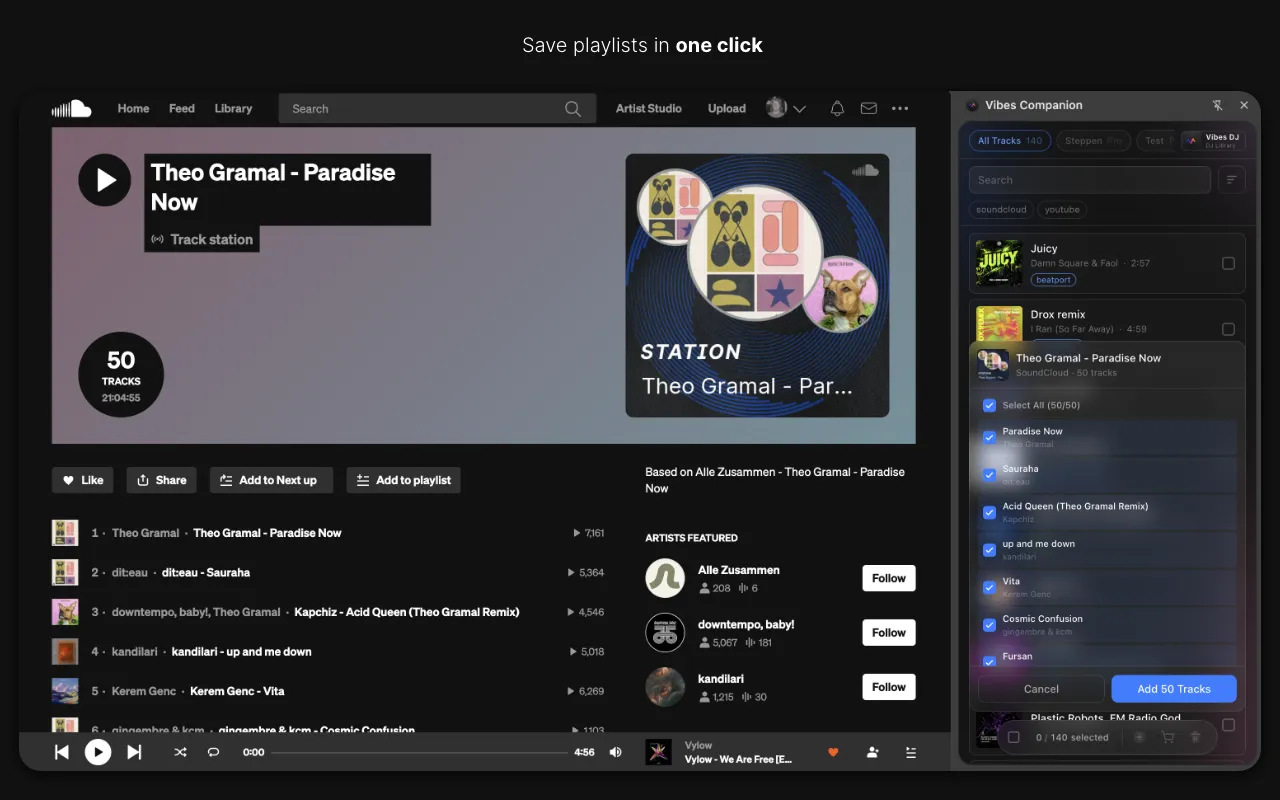
An offline locker is a local cache within streaming-integrated DJ software (such as Rekordbox with Beatport Streaming or Beatsource) that stores a licensed copy of a track on the device. Once cached, the track plays back without a live internet connection, which is essential for club or festival use where Wi-Fi is unreliable.

Why it matters

Streaming tracks that are not cached depend on a stable connection at the venue; a network dropout mid-set can silence a track instantly. The offline locker removes that dependency for any track you have pre-loaded.

In practice

In the days before a gig, open your planned crates inside the streaming panel and cache every track you might play. Verify the download icon shows fully cached before leaving home.

Frequently asked questions

An offline locker caches streaming tracks to your local drive so you can play them without an internet connection. This is essential for venues with unreliable wifi or for practice sessions away from a stable connection. The cached files are DRM-protected and tied to your subscription.
The tracks become unplayable. Offline locker files are encrypted and locked to an active subscription and valid license. This is why many DJs keep lossless purchases of their most-played tracks separately, so core repertoire is never dependent on a subscription staying active.
Limits vary by platform and subscription tier. Beatport Streaming and Beatsource typically allow a few hundred to several thousand cached tracks depending on your plan. Storage space on your device is the practical ceiling, since each cached track is a full-quality audio file that can run 50 to 100 MB for lossless.
Ben Modigell

Hey, it's Ben Modigell 👋

I DJ and produce as so I so — downtempo, minimal, dub house, tech house, and techno (releases on Spotify and SoundCloud, links above). Everything I write here comes from my own gigs, studio sessions, and library cleanups: the rules I follow, the failure modes I've actually hit, and the workflow I use when nobody's watching. If a technique didn't earn its place in my own sets, it doesn't make it into a tutorial.

DJingMusic ProductionTech HouseMinimal HouseDub HouseTechnoDowntempoLibrary Organization