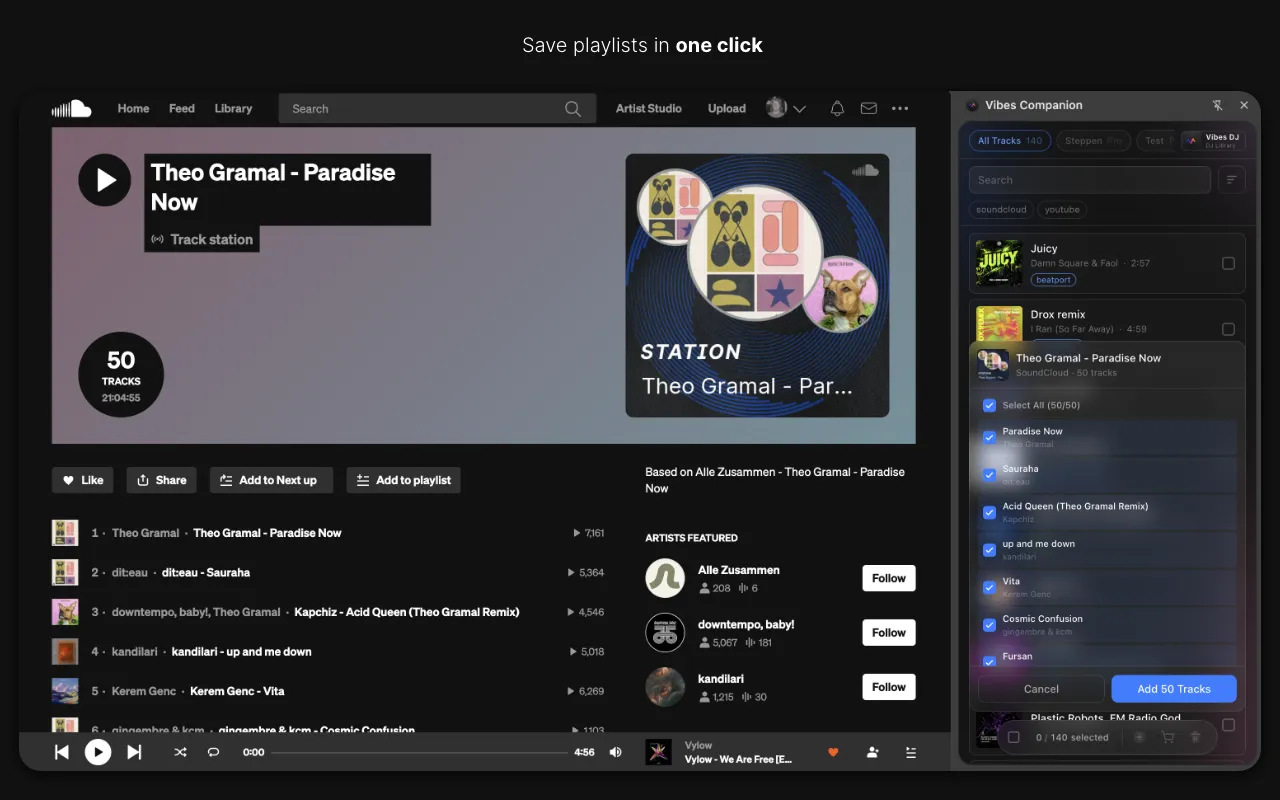
Library & Prep

Tag

Reviewed by

A user-defined label applied to a track to categorize it by energy, mood, genre, or any custom attribute.

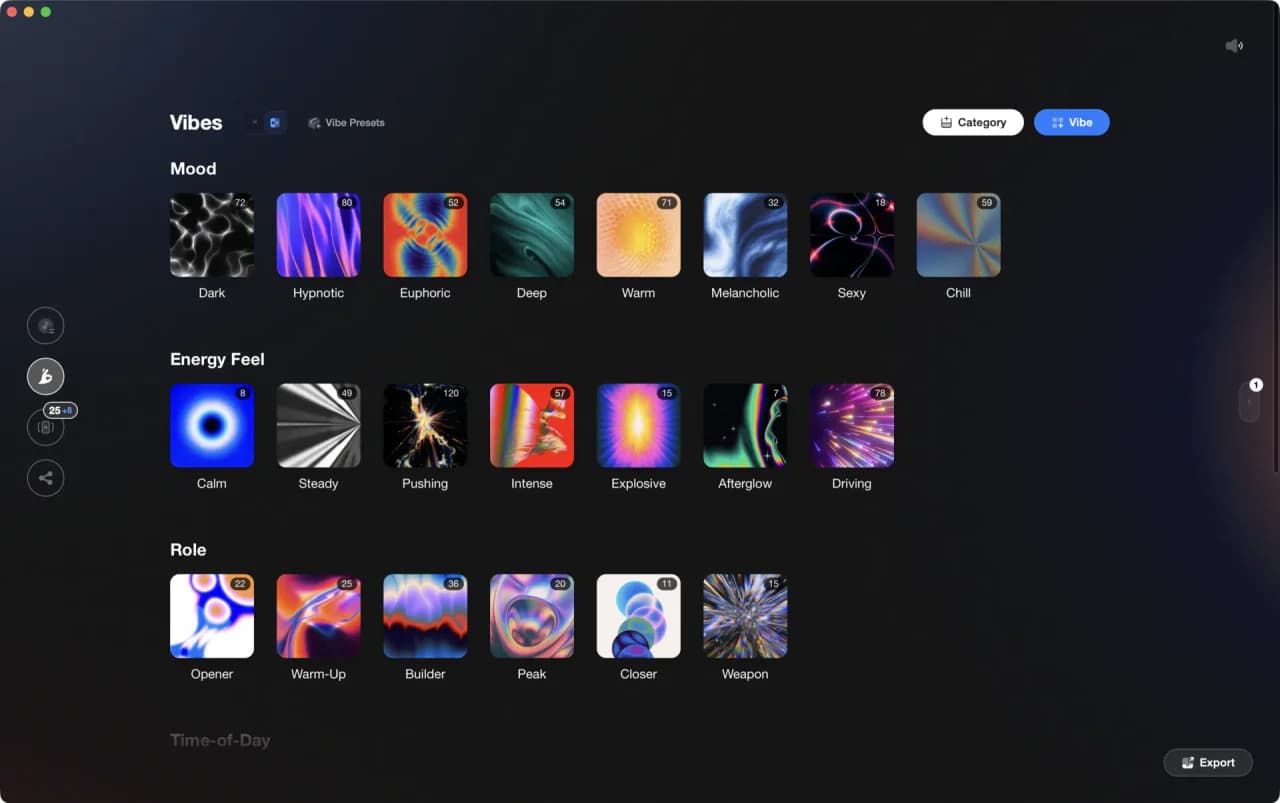
A tag is a user-defined label applied to a track in DJ software to categorize it by energy level, key feel, genre mood, or any custom attribute. Tags let you filter and surface the right track quickly without relying solely on folder structure.

Why it matters

A well-tagged library makes it possible to pull up tracks by feel or function mid-set without scrolling. Tags work across crates, so a track can carry multiple labels (for example, 'peak', 'vocal', '128bpm') without living in multiple folders.

In practice

Assign tags during prep, not during performance. Consistent tag vocabulary matters more than how many tags you use: three well-defined energy tiers and a handful of mood labels will outperform dozens of overlapping ones.

Frequently asked questions

Use a consistent system with categories that match how you actually think during a set: energy level, mood, key moments like drop or breakdown, and any genre or sub-genre labels you use. Avoid over-tagging with too many categories or the system becomes noise rather than a tool. One or two tags per track focused on when and where you would play it is more useful than exhaustive metadata.
No. Tags are metadata attached to a track and a single track can carry multiple tags simultaneously. Crates and playlists are containers a track physically lives in. Tags let you filter dynamically across your whole library, while crates are curated collections you build manually for specific purposes.
Common systems include energy levels such as low, medium, and peak; moods like dark, euphoric, and groovy; key moments like intro-friendly or closing; and genre or tempo notes. Apps like Vibes let you build a custom tag system that surfaces the right track for the right moment without digging through every crate manually.
Ben Modigell

Hey, it's Ben Modigell 👋

I DJ and produce as so I so — downtempo, minimal, dub house, tech house, and techno (releases on Spotify and SoundCloud, links above). Everything I write here comes from my own gigs, studio sessions, and library cleanups: the rules I follow, the failure modes I've actually hit, and the workflow I use when nobody's watching. If a technique didn't earn its place in my own sets, it doesn't make it into a tutorial.

DJingMusic ProductionTech HouseMinimal HouseDub HouseTechnoDowntempoLibrary Organization