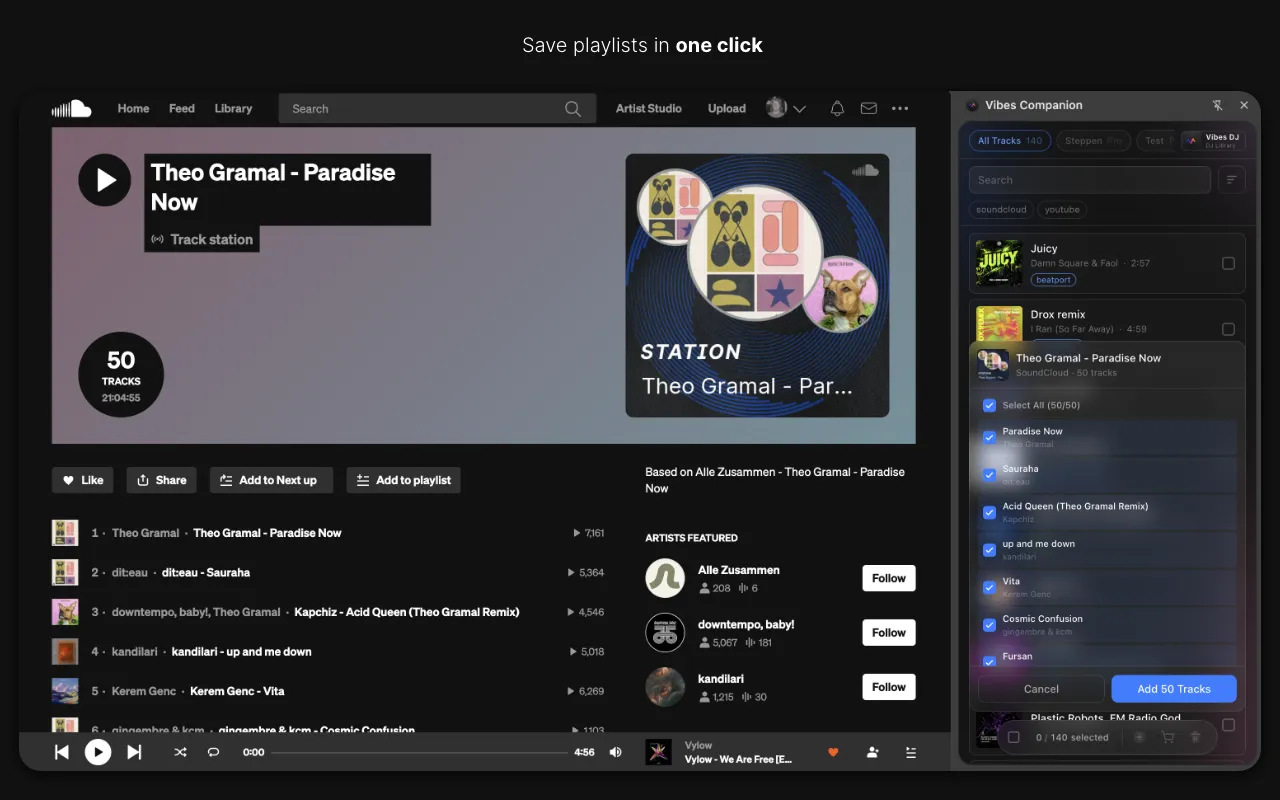
Library & Prep

Open Format

Reviewed by

A DJ style that mixes across many genres and eras rather than sticking to one.

Open-format DJing means playing whatever the room calls for across genres and decades, from hip-hop to house to pop, often pivoting quickly on a read of the crowd.

Why it matters

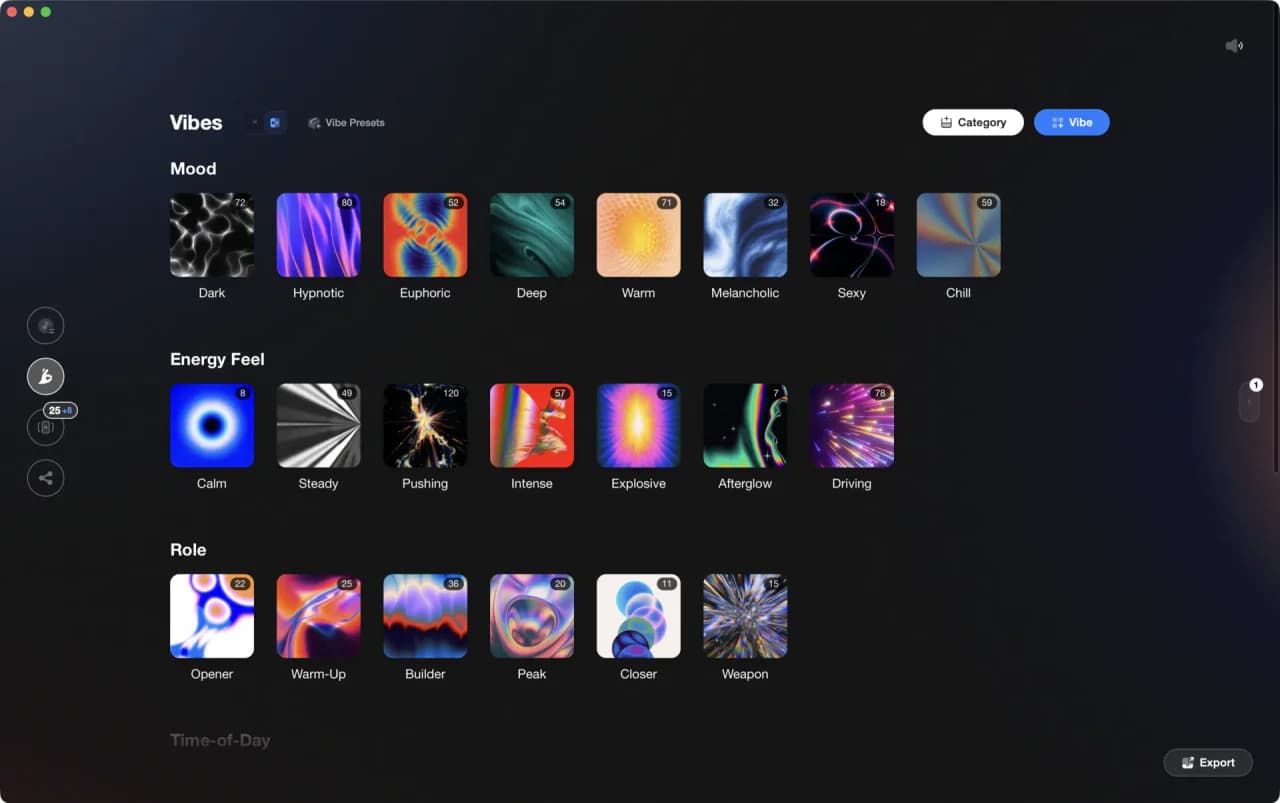
Open-format work demands a huge, well-organized library. Tagging by era, crowd, and function, not just genre, is what makes fast pivots possible.
Related terms

Frequently asked questions

Open format means the DJ is not locked to a single genre or era. A single open-format set might move through 90s hip-hop, current pop edits, house, dancehall, and Latin trap. The skill is reading the crowd and room rather than following a genre-specific musical narrative.
It requires a different skill set rather than being objectively harder. Genre-specialist DJs go deeper into one sound and focus on technical precision within that style. Open format DJs need a wider library, strong crowd-reading instincts, and the ability to transition between tempos and feels that do not naturally blend.
Weddings, corporate events, nightclubs with diverse crowds, rooftop bars, and multi-room festivals often need open format DJs. Any event where the audience spans different ages, backgrounds, or musical tastes benefits from a DJ who can pivot across genres on the fly.
Ben Modigell

Hey, it's Ben Modigell 👋

I DJ and produce as so I so — downtempo, minimal, dub house, tech house, and techno (releases on Spotify and SoundCloud, links above). Everything I write here comes from my own gigs, studio sessions, and library cleanups: the rules I follow, the failure modes I've actually hit, and the workflow I use when nobody's watching. If a technique didn't earn its place in my own sets, it doesn't make it into a tutorial.

DJingMusic ProductionTech HouseMinimal HouseDub HouseTechnoDowntempoLibrary Organization