Library & Prep

Crate Digging

Reviewed by

The practice of searching deeply for new or rare tracks to play.

Crate digging is the hunt for music, originally flipping through record crates, now also browsing stores, pools, and promos to find tracks others are not playing.

Why it matters

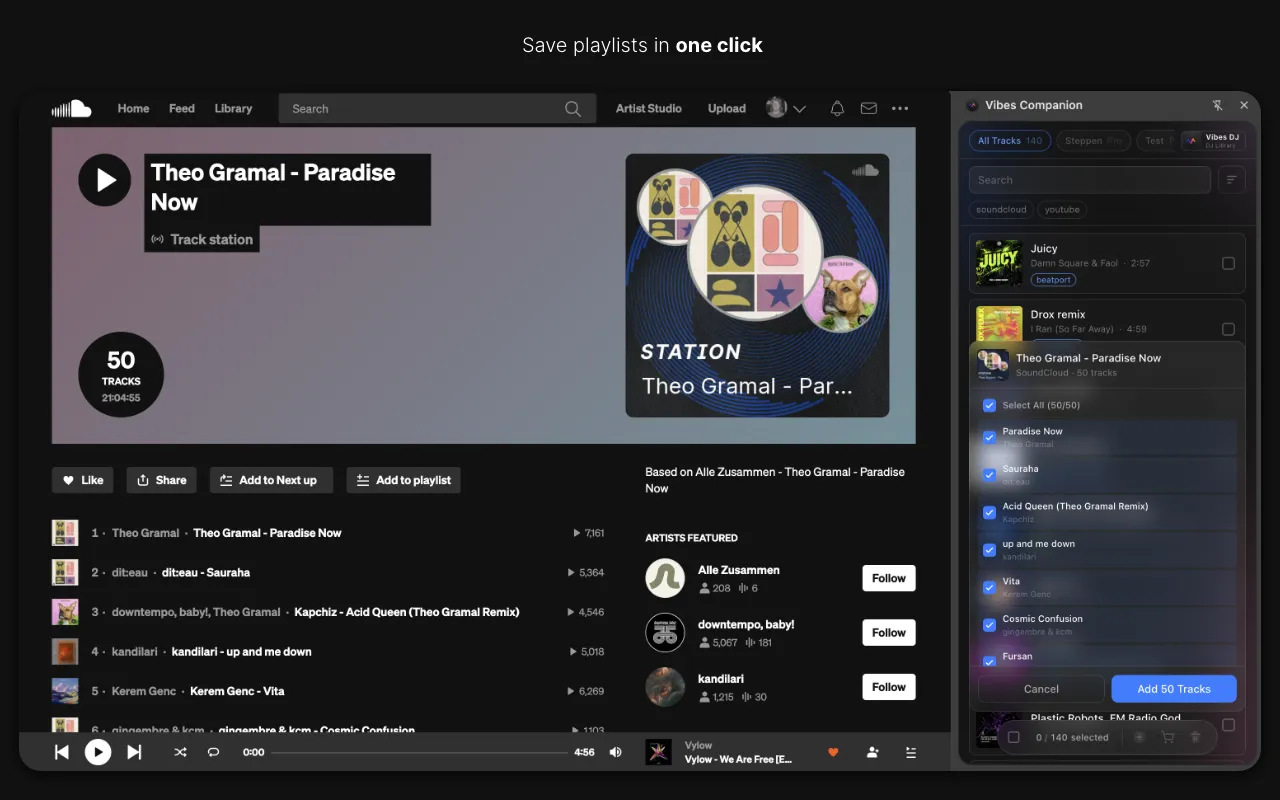
A distinctive record box comes from digging. Capturing finds quickly, before they are forgotten, is what turns digging into a usable library.

Frequently asked questions

Not anymore. Crate digging originally meant physically flipping through vinyl crates in record shops, thrift stores, and flea markets. Today DJs also dig digitally through Bandcamp catalogs, Beatport deep cuts, SoundCloud uploads, YouTube channels, and streaming platforms. The spirit is the same: investing time to find overlooked or rare music.
It builds a library that sounds unique to you. DJs who only play the obvious chart records sound interchangeable. Finding deep cuts, obscure edits, or forgotten classics gives your sets character and makes the crowd feel they are hearing something they cannot find elsewhere.
Start with Bandcamp's genre tags and new releases on Fridays, then follow the chain of related artists and labels. Discogs is excellent for tracing the history of a sound through a label's full catalog. Listening to the DJ mixes of artists you admire and tracking down the records they play is also one of the most efficient approaches.
Ben Modigell

Hey, it's Ben Modigell 👋

I DJ and produce as so I so — downtempo, minimal, dub house, tech house, and techno (releases on Spotify and SoundCloud, links above). Everything I write here comes from my own gigs, studio sessions, and library cleanups: the rules I follow, the failure modes I've actually hit, and the workflow I use when nobody's watching. If a technique didn't earn its place in my own sets, it doesn't make it into a tutorial.

DJingMusic ProductionTech HouseMinimal HouseDub HouseTechnoDowntempoLibrary Organization