DJ Rider Template (Technical Rider)
List the equipment you bring, what the venue needs to provide, and your booth and sound requirements. Download a one-page PDF a promoter can actually act on.
- Saved locally
- Nothing uploaded
- Print-ready
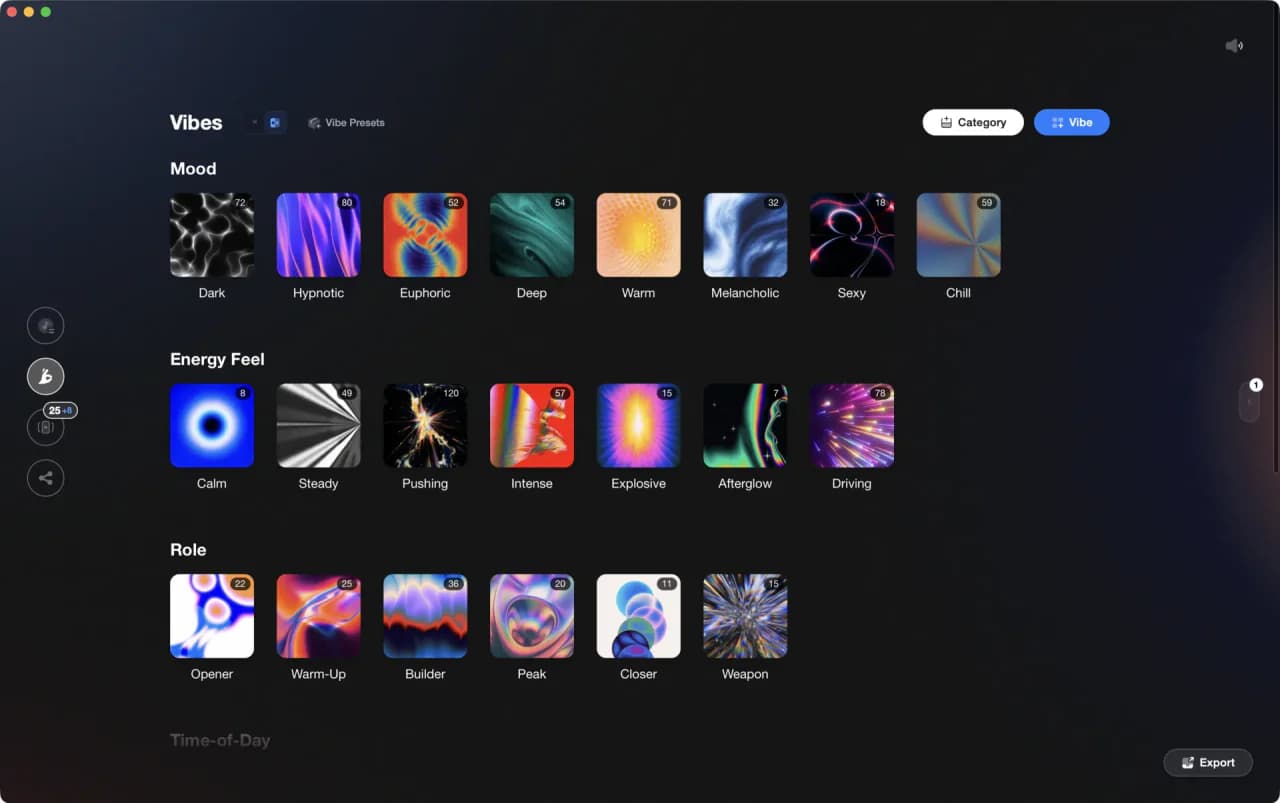
Next stepA rider covers your gear. Vibes organizes the music itself: tagged by crowd, era, and function, so any request lands in seconds. Vibes for wedding DJs
What it is
What a Technical Rider Is, and When to Send It
A technical rider is a one-page reference that tells whoever is running the event what you need to perform: the gear you're bringing, the gear the venue needs to have ready, booth dimensions, power, and sound system capability. Send it alongside the signed booking confirmation, not on the day of the gig. A promoter who has your rider two weeks out can source a missing mixer or add a monitor wedge; a promoter who sees it during load-in can't.
Two different documents
Technical Rider vs. Hospitality Rider
A technical rider covers equipment and setup: CDJs, mixer model, monitor placement, booth size, and power. A hospitality rider covers what you personally receive: food, drinks, parking, backstage access. For the vast majority of club nights, weddings, and private bookings, only the technical rider matters, and it should stay short and specific. Save an itemized hospitality rider for headline slots where a rider is the norm; padding a rider with requests nobody expects on a support slot just makes a promoter less likely to book you again.
Writing it well
How to Write Requirements a Venue Takes Seriously
- Allow equivalents: "2x CDJ-3000 or equivalent" gets taken seriously; demanding one specific model with no substitute reads as inflexible and gets ignored more often than honored.
- Mark real priorities: separate what's non-negotiable (a working monitor, dedicated power) from what's nice-to-have, so a venue with limited gear knows where to compromise.
- Be specific about power: "2x dedicated sockets, isolated from lighting" is actionable. "Reliable power" is not.
- Keep it to one page: a rider a promoter has to scroll through is a rider that gets skimmed and forgotten.
Avoid these
Common Rider Mistakes
The most common mistake is demanding gear you don't actually need for the set you're playing: an elaborate lighting rig for a two-hour warm-up slot, or a specific CDJ generation when any current model plays your files fine. It signals inexperience and gives smaller venues a reason to skip you for someone with a simpler ask. The second mistake is vagueness: "good sound system" means nothing to a sound engineer, while "100 dB clean at FOH" is something they can actually check before doors.
Next steps
Complete Your Gig Paperwork
Send this rider with your DJ contract and invoice so the venue has everything it needs in one place. If you're still finalizing your artist identity, try the DJ name generator and DJ bio generator.
Once the rider is settled and the gear is confirmed, the real prep is picking the right tracks for that room: the Vibes app organizes your library by vibe, energy, and key so building a set for the night matches the gig you just described on paper.

Hey, it's Ben Modigell 👋
I've been DJing and producing music as "so I so," focusing on downtempo, minimal, dub house, tech house, and techno. My background in digital marketing, web development, and UX design over the past 6 years helps me create DJ tutorials that are clear, practical, and easy to follow.
Methodology
Last updated
Author and Methodology
Maintained by Ben Modigell, founder of Vibes. Ben builds DJ library, preparation, BPM, and harmonic-mixing tools for working DJs.
- Source
- Vibes DJ-tool taxonomy and page logic maintained by Vibes.
- Evidence
- Page output checked against the current tool behavior and internal DJ reference data.
- How this page is made
- Tool pages are built from reusable page logic, internal DJ reference data, and visible on-page calculations. Programmatic reference pages are generated from structured data rather than hand-written one by one.
BPM, key, and genre labels can vary by edit, remaster, detection engine, and DJ software. Use these pages as a practical mixing reference, then verify important tracks in your own library.
Report a correctionThe visual way to organize your DJ library
Tag tracks by vibe. See everything at once. Export to rekordbox, Serato, Traktor or Engine DJ.
14-day free trial. Full access, no strings attached.
or see how it works