DJ Press Kit Template (EPK Builder)
Build a one-page electronic press kit: photo, bio, highlights, residencies, links, and booking contact. Download a PDF a promoter can skim in thirty seconds.
- Saved locally
- Nothing uploaded
- Print-ready
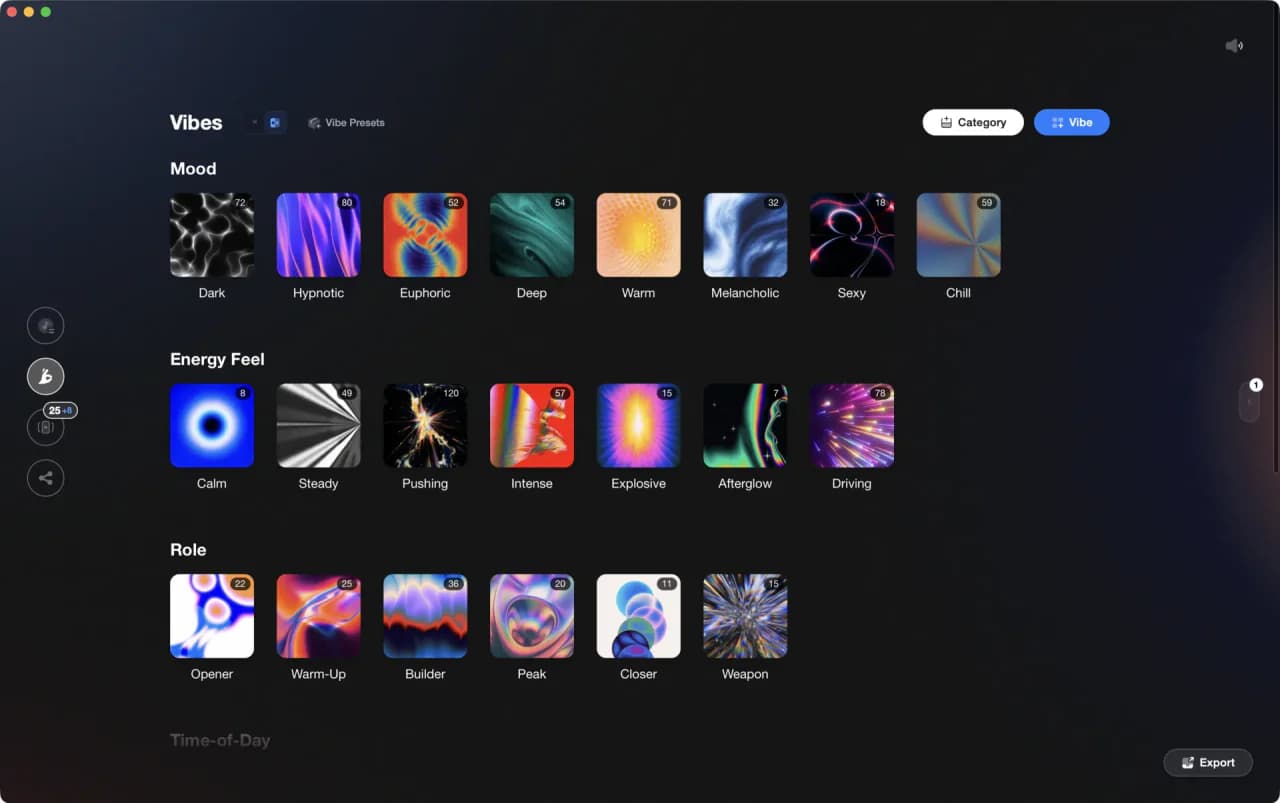
Next stepA press kit sells your sound. Vibes organizes the library behind it, tagged by crowd, era, and function, ready for any request. Vibes for wedding DJs
What goes in
What Goes in a DJ Press Kit
An electronic press kit answers two questions for a promoter: who are you, and why should this room book you. The form above maps directly onto that: a press photo and name block establish who you are at a glance, the bio and genre line position your sound, and the highlights column carries the proof, three to five concrete credits like support slots, festival appearances, or releases. Residencies and labels add ongoing credibility, one press quote adds an outside voice, and the footer gives the booker a mix link to click and an email to reply to. If a field doesn't apply to you yet, leave it empty; the kit only renders what you fill in.
When to send it
When a Press Kit Actually Gets Used
Attach it to booking pitches: a short personal email plus a one-page EPK outperforms a long email with no kit, because the promoter can forward the PDF to the rest of the team unchanged. Festival and club application forms often ask for a press kit outright, and having one ready means you apply the day submissions open instead of scrambling. It also does quiet work after you're booked: promoters lift your photo, bio, and quote straight from the kit for event pages and flyers, so what you write here is usually what the crowd reads about you.
Keep it short
One Page vs. Multi-Page EPKs
Multi-page press kits exist, and for a touring headliner with a tech rider, stage plots, and press clippings to distribute, they can make sense. For everyone else, one page wins, and it's worth being honest about why: promoters skim. A booker deciding between five DJs for a support slot spends seconds per kit, and the second page never gets read. A single page forces you to lead with your strongest facts, and it survives being viewed on a phone, printed, or dropped into a group chat. If you find yourself needing more room, cut credits rather than adding pages; three impressive lines beat ten mixed ones.
The photo
Choosing a Press Photo That Works
- Landscape orientation: the kit's photo box is wider than tall, and so are most event pages and flyer slots your photo will be reused in.
- High contrast, clear face: the photo gets viewed small. If a promoter can't make you out at thumbnail size, it isn't doing its job.
- Skip the club-dark shots: the atmospheric photo of you in a dark booth under red light looks great on Instagram and turns into unusable mud in print and on white backgrounds. Shoot or pick something lit.
- Keep the file reasonable: a photo under a megabyte keeps the finished PDF small enough to attach to any email without bouncing.
Next steps
Complete Your Gig Paperwork
If the bio is the part you're stuck on, the DJ bio generator builds several lengths from the same details, and the generate button in the form above uses the same engine. Once the kit lands you the booking, send a DJ contract to confirm terms, a technical rider so the booth is right, and a DJ invoice to get paid.
And when the gig is real, the preparation that matters is the music: the Vibes app organizes your library by vibe, energy, and key, so the set you play lives up to the press kit that booked it.
Hey, it's Ben Modigell 👋
I've been DJing and producing music as "so I so," focusing on downtempo, minimal, dub house, tech house, and techno. My background in digital marketing, web development, and UX design over the past 6 years helps me create DJ tutorials that are clear, practical, and easy to follow.
Methodology
Last updated
Author and Methodology
Maintained by Ben Modigell, founder of Vibes. Ben builds DJ library, preparation, BPM, and harmonic-mixing tools for working DJs.
- Source
- Vibes DJ-tool taxonomy and page logic maintained by Vibes.
- Evidence
- Page output checked against the current tool behavior and internal DJ reference data.
- How this page is made
- Tool pages are built from reusable page logic, internal DJ reference data, and visible on-page calculations. Programmatic reference pages are generated from structured data rather than hand-written one by one.
BPM, key, and genre labels can vary by edit, remaster, detection engine, and DJ software. Use these pages as a practical mixing reference, then verify important tracks in your own library.
Report a correctionThe visual way to organize your DJ library
Tag tracks by vibe. See everything at once. Export to rekordbox, Serato, Traktor or Engine DJ.
14-day free trial. Full access, no strings attached.
or see how it works