Track Matching by Key and BPM
Track matching by key and BPM helps DJs choose songs that blend smoothly in tempo and harmony for cleaner, more intentional transitions.
Track Matching by Key and BPM Tutorials

Track Matching by Key and BPM is the skill of choosing songs that work together in both tempo and [musical key](/glossary/musical-key) so your mixes feel cleaner, more musical, and easier to control. If your transitions often feel rushed, muddy, or harmonically tense, Track Matching by Key and BPM gives you a practical filter before you even touch the mixer.
For DJs, this technique unlocks faster track selection, better flow, and more confidence during long blends. It also reduces a common beginner problem: finding two tracks that line up in BPM but still clash when the bassline, chords, or vocal enter together.
This is not a rigid rule system. It is a decision tool. You still need phrasing, EQ control, and taste. But once you can combine BPM awareness with key compatibility, it becomes much easier to plan transitions, recover under pressure, and learn phrase mixing timing with musical intent.
The visual way to organize your DJ library. Tag by vibe, export to any DJ app.
What Is Track Matching by Key and BPM?
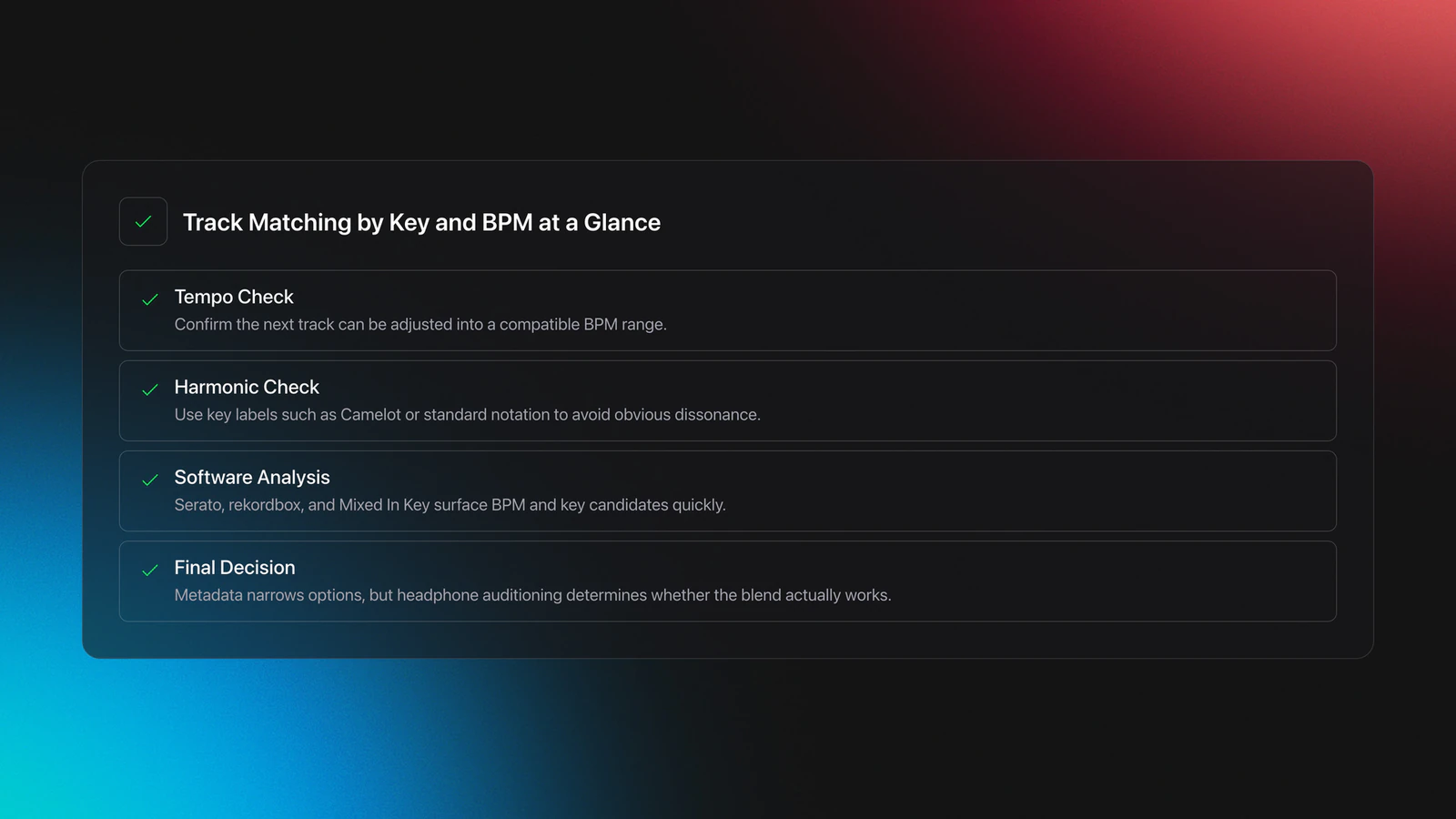
Track Matching by Key and BPM means selecting the next record based on two checks: can it be brought to a compatible tempo, and will its harmonic content blend without obvious dissonance. In DJ practice, this usually means comparing BPM ranges, then using key data such as Camelot codes or standard key labels before auditioning the mix.
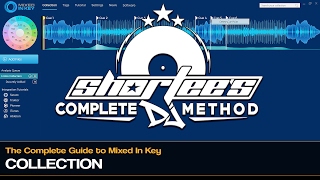
Software now makes this much easier. Serato can analyze files for BPM and key, while rekordbox analyzes BPM, beatgrid, key, and phrase data. Tools like Mixed In Key also help DJs spot harmonically compatible songs quickly.
The important part is what comes next. Metadata gives you candidates. Your ears make the final call.
Why Track Matching Matters
Track matching matters because tempo and harmony shape how a transition feels to the floor. When BPM is close, the groove stays stable. When key is compatible, melodies, pads, stabs, and vocals feel connected instead of conflicting.
This is especially useful in house, techno, trance, and other melodic styles where overlapping musical parts are common. Pioneer DJ notes that genres with prominent melody and harmony benefit more from harmonic awareness than drum-led sections alone.
In practice, this technique helps you narrow choices faster. Instead of scrolling through your whole library, you can look for tracks within a workable BPM window and a nearby key relationship, then preview only the strongest options.
The result is better pacing, fewer trainwrecks, and more intentional set building. Once that feels natural, you can build solid beat matching control first and then go deeper with harmonic mixing for more creative key movement.
Equipment and Prep
You do not need expensive gear to practice this technique. You need a library with analyzed BPM and key data, a way to preview transitions, and enough control over tempo to make small adjustments.
Serato's analysis tools calculate BPM and key, and rekordbox provides BPM, beatgrid, key, and phrase analysis. That means the modern workflow is less about guessing and more about verifying, sorting, and listening carefully.
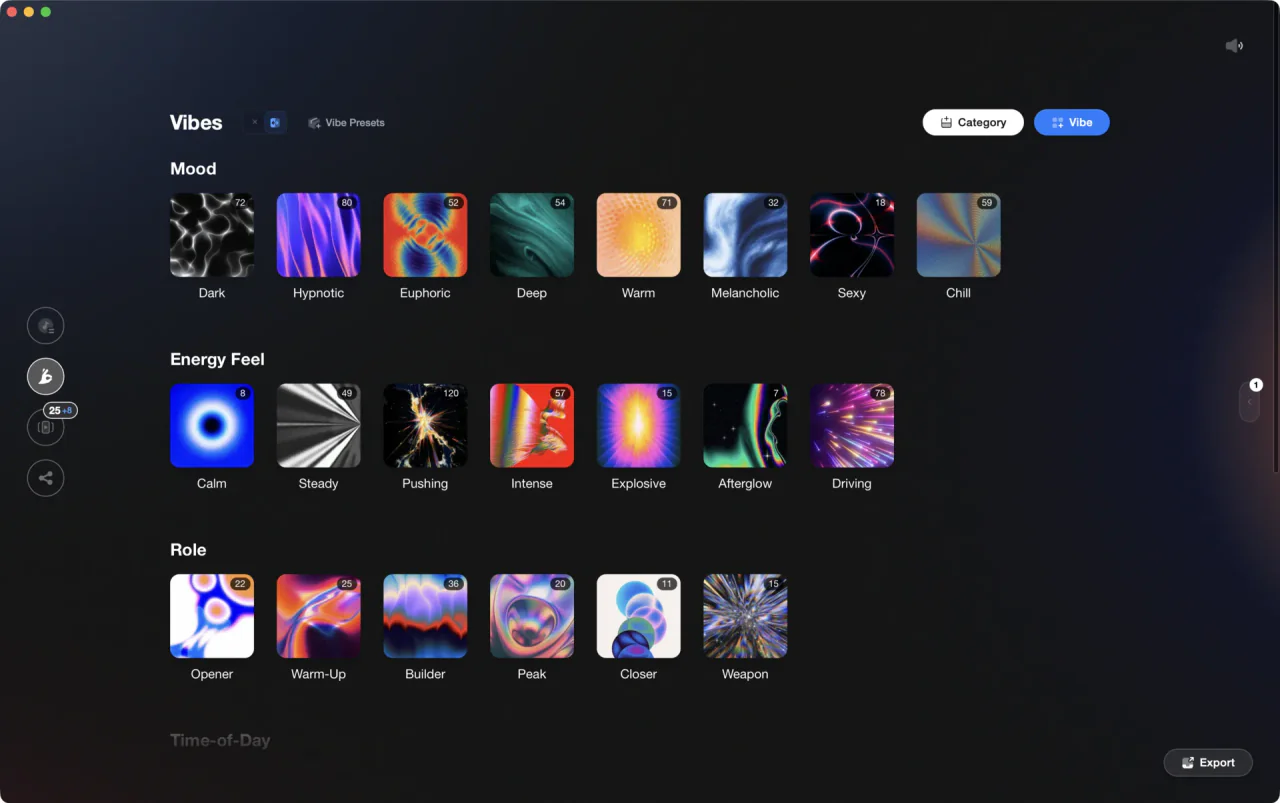
A small, organized practice crate helps more than a huge library. If you keep 20 to 30 tracks grouped by BPM bands and compatible keys, you can repeat drills without wasting time searching. In Vibes, that kind of practice setup works well when you sort tracks into custom categories like energy, key neighborhood, and transition role before exporting a session-ready structure.
How to Match Tracks by Key and BPM
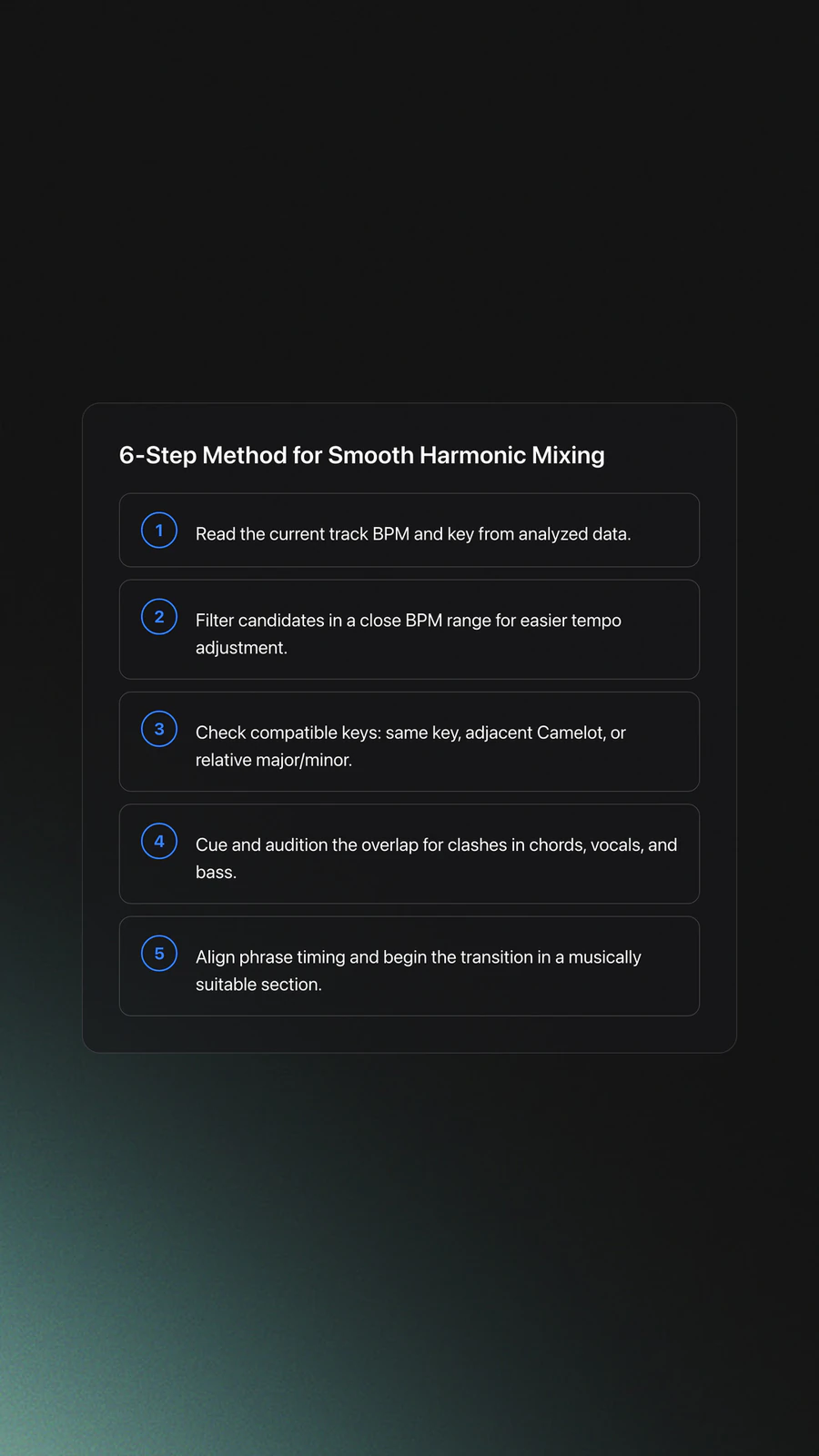
The basic method is simple: choose a playing track, identify its BPM and key, find candidates near that tempo, then test which ones blend harmonically. Start with conservative changes. Small tempo moves usually preserve feel and reduce artifacts.
| Step | Action | Key Point |
|---|---|---|
| 1 | Read the current track BPM and key | Use analyzed data as a starting point |
| 2 | Filter tracks in a close BPM range | Aim for easy tempo adjustment first |
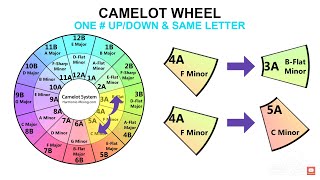
| 3 | Check compatible keys | Same key, adjacent Camelot, or relative major/minor |
| 4 | Cue and audition the overlap | Listen for clashes in chords, vocals, and bass |
| 5 | Align phrase and start the transition | Even a perfect key match fails with bad timing |
| 6 | Use EQ to give one track priority | Do not stack full-spectrum harmonic content |
Start with BPM because rhythm is the foundation. If a track is too far away in tempo, the mix may feel strained even if the keys match. Most practitioners begin with a narrow BPM range, then widen it as pitch control and judgment improve.
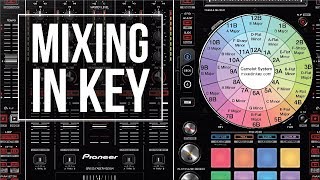
Then check key. The easiest options are the same key, adjacent Camelot positions, or relative major and minor relationships. Mixed In Key explains these as practical harmonic moves, and this shorthand is useful because it turns music theory into fast library decisions.
Now listen in headphones. A compatible label does not guarantee a beautiful blend. DJ TechTools points out that matching key codes alone can still fail when chord movement and arrangement fight each other.
This is where arrangement matters. If both tracks have dense melodic layers, mix during simpler sections. Drum intros, reduced breakdown exits, and filtered phrases often give you more room.
Finally, make the transition musical, not just technical. Let one harmonic story lead while the other enters gradually.
Compatible Key Moves
The safest key moves are the ones most DJs learn first: same key, one step around the Camelot wheel, or a relative major/minor change. These preserve a sense of musical connection while still giving you enough variety to shape energy across a set.
That said, key is not the whole mix. If the overlap happens on drums or sparse percussion, a technically distant key can still work. If both tracks expose chords or vocals, even a textbook match may sound crowded.
In other words, think of key as a probability boost. It improves your odds. It does not replace listening.
Practice Routine
A short daily routine works better than occasional marathon sessions. Through daily 15-minute practice sessions over several years, I found that repeating the same small pool of tracks accelerated transition judgment faster than constantly digging for new music.
Start with one anchor track and five possible follow-ups. Keep all of them within a tight BPM range. Include two obvious key matches, two borderline options, and one deliberate mismatch.
Run this cycle for two weeks. Then rotate in fresh tracks while keeping the drill structure the same. This lets you measure skill, not just memory.
A strong checkpoint is simple: hold a 16 to 32 bar blend between two tracks within a workable BPM range, with no audible drift and no obvious harmonic clash when the melodic content overlaps.
Another checkpoint is selection speed. You should be able to scan a prepared crate and choose three plausible next tracks in under 20 seconds.
Common Mistakes
Most problems come from overtrusting software or underestimating arrangement. The fix is usually simple: reduce overlap, tighten the BPM range, or choose a less busy phrase.
| Mistake | Why It Happens | Solution |
|---|---|---|
| Using key data as a rule | DJs trust labels more than their ears | Audition every melodic overlap in headphones |
| Ignoring phrase timing | Tracks are harmonically close but structurally misaligned | Start the incoming track on a matching phrase boundary |
| Forcing wide tempo jumps | DJ wants the perfect key match too early | Prioritize groove first or bridge with an intermediate track |
| Layering too much melody | Both tracks play hooks, pads, or vocals at once | Mix during sparse sections and use EQ aggressively |
Troubleshooting Bad Matches
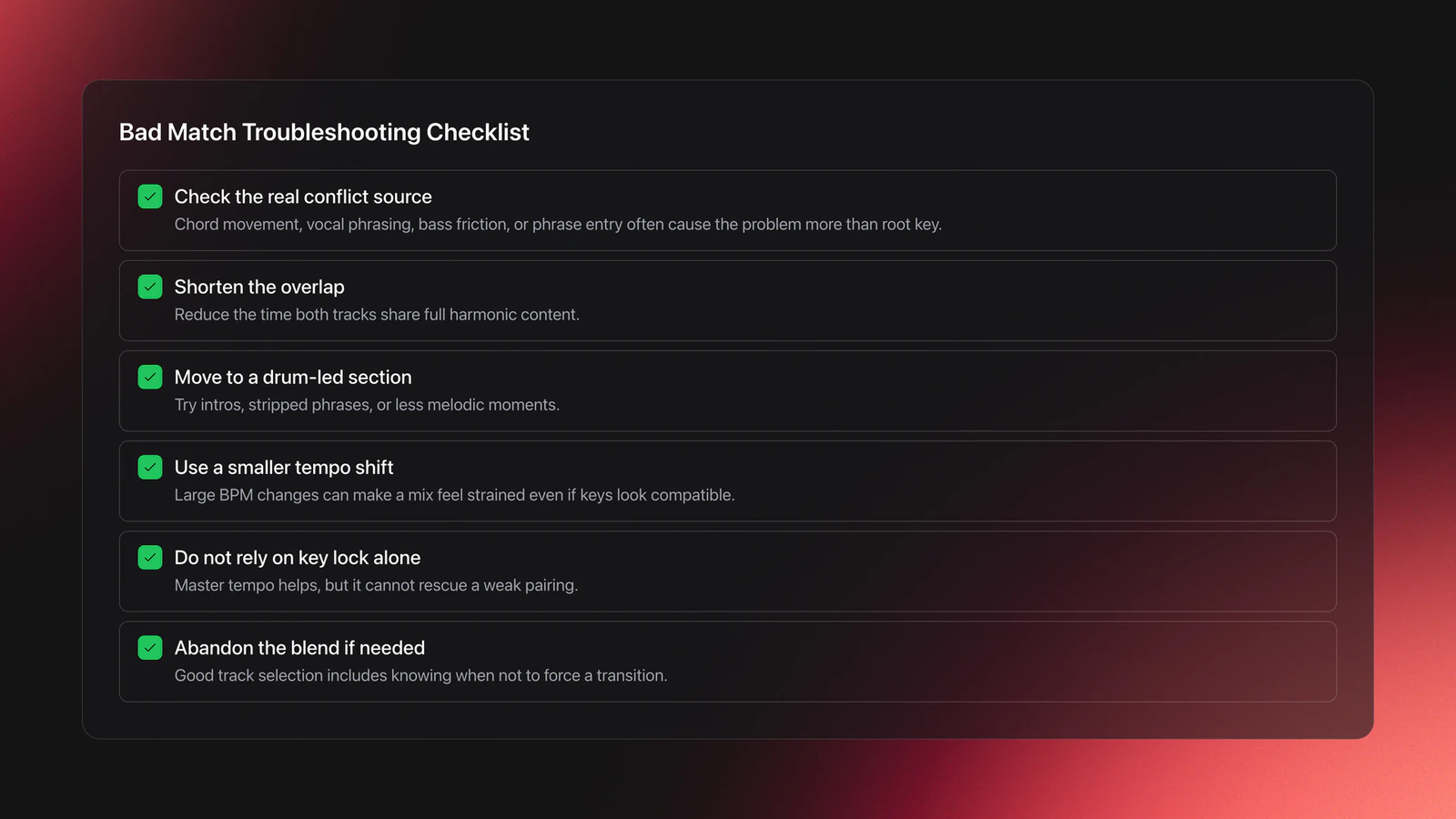
If two tracks should work on paper but sound wrong, listen for the actual source of conflict. It is often not the root key. It is usually chord movement, vocal phrasing, bass note friction, or an awkward phrase entry.
First, shorten the overlap. Second, move the transition to a drum-led section. Third, try a smaller tempo adjustment. Master tempo and key lock features can help, but they do not magically fix a weak pairing.
If the transition still feels wrong, abandon it. Good selection is partly knowing when not to force a blend.
Where This Technique Works Best
Track matching by key and BPM is most valuable when songs have sustained basslines, chords, leads, or vocals. That includes melodic house, progressive, trance, afro house, deep house, and many open-format moments where vocal compatibility matters.
It matters less during short cuts, drum-only transitions, or aggressive swaps where you never expose both harmonic layers together. In those cases, timing and energy may matter more than perfect key alignment.
This means the best DJs use the technique selectively. They do not worship it. They use it when it improves the story of the set.
Next Steps
Track Matching by Key and BPM gives you a fast way to choose stronger transitions before you commit to them live. It improves library decisions, supports smoother blends, and helps you hear why some pairings feel effortless while others collapse under melodic tension.
Keep these takeaways in mind:
- Start with tempo compatibility, then verify key compatibility.
- Use metadata to narrow choices, not to replace listening.
- Phrase timing and EQ often matter as much as key labels.
Practice first with a small library, stable BPM ranges, and repeatable drills. Then expand into wider tempo jumps, more melodic material, and more advanced transitions through go deeper with harmonic mixing.
The visual way to organize your DJ library
Tag tracks by vibe. See everything at once. Export to any DJ software.
A visual system for organizing your DJ library.
More Tutorials

House Trance: Sound, Structure, Mixing
DJing in Key for Better Transitions
Classic House Music: Key Tracks and Style

Best House Music Songs for DJ Sets: Tracks That Work
Beginner DJ Equipment: What You Need

DJ Decks: 2 vs 4 Channel Buying Guide

Starter DJ Controller Buying Guide
DJ Starter Equipment: What to Buy First (and What to Skip)

Virtual DJ Tutorial: Beatmatching Basics

Harmonic Mixing Rekordbox Guide

House DJs: What Sets the Best Apart
Mixed In Key Database Guide
DJ Key Wheel Decision Framework: Four Safe Moves and Advanced Jumps

Best DJ Controller: How to Choose
Frequently Asked Questions

Hey, it's Ben Modigell 👋
I DJ and produce as so I so — downtempo, minimal, dub house, tech house, and techno (releases on Spotify and SoundCloud, links above). Everything I write here comes from my own gigs, studio sessions, and library cleanups: the rules I follow, the failure modes I've actually hit, and the workflow I use when nobody's watching. If a technique didn't earn its place in my own sets, it doesn't make it into a tutorial.