Decks & Hardware

Standalone Player

Reviewed by

A media player that reads audio and metadata from USB drives without a connected laptop.

A standalone player is a dedicated hardware deck, such as a Pioneer CDJ or Denon SC series unit, that loads tracks, waveforms, cue points, and beatgrids directly from a USB drive or SD card. No laptop is required during performance.

Why it matters

Standalone operation eliminates laptop failure as a risk and is the standard format in most professional club booths. A DJ arrives with a prepared USB drive and works entirely on the house gear.

In practice

Export your library from Rekordbox, Serato, or Engine DJ to a USB drive formatted as exFAT before the gig. Include analyzed tracks with cue points so all prep data is available on the player.

Frequently asked questions

No. That is the main advantage of a standalone player: you load your music onto a USB drive, plug it in, and play. There is no laptop required. This removes cable clutter, crash risk, and the visual barrier of a screen in the booth, which is why standalone players are the standard in professional club installations.
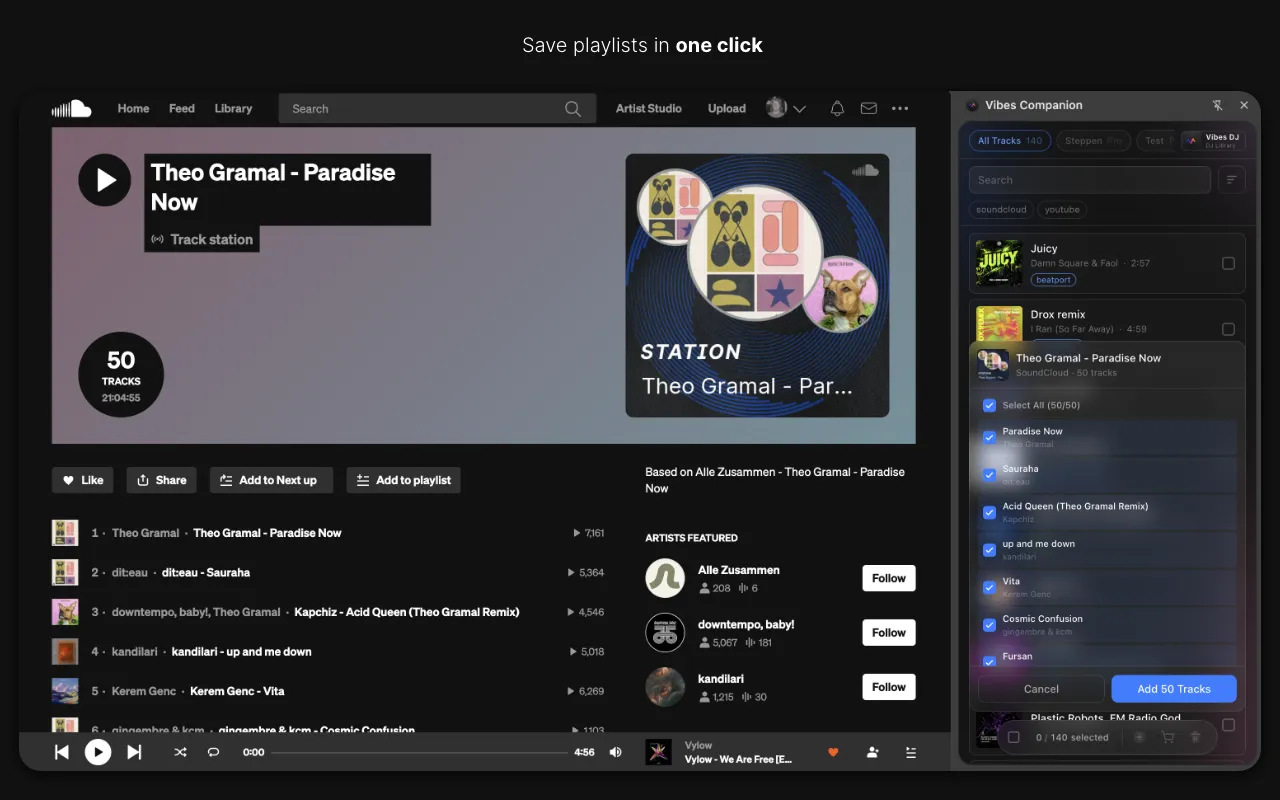
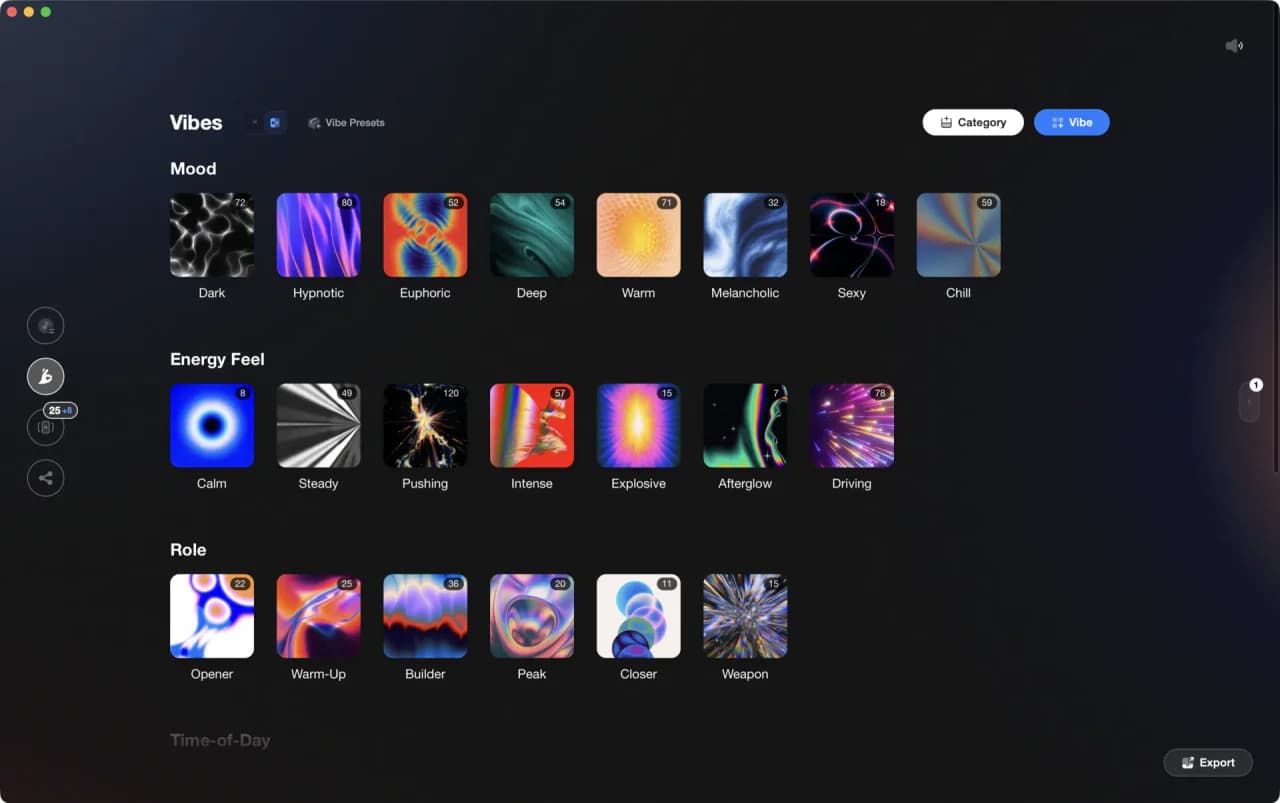
Format the drive as FAT32 (or exFAT for drives over 32 GB) and analyze your tracks in the player manufacturer's desktop software first. For Pioneer CDJs that means using rekordbox to export your library, which writes the database the players need to display waveforms, cue points, and loops. Apps like Vibes can help you organize and prep tracks before you export to rekordbox.
Yes, when linked via Ethernet using a protocol like Pioneer's PRO DJ LINK. Once networked, inserting a USB into one player makes its tracks and waveforms available on all linked players, and you can sync BPM and phase data across decks. This means you only need one USB drive inserted for a multi-deck setup.
Ben Modigell

Hey, it's Ben Modigell 👋

I DJ and produce as so I so — downtempo, minimal, dub house, tech house, and techno (releases on Spotify and SoundCloud, links above). Everything I write here comes from my own gigs, studio sessions, and library cleanups: the rules I follow, the failure modes I've actually hit, and the workflow I use when nobody's watching. If a technique didn't earn its place in my own sets, it doesn't make it into a tutorial.

DJingMusic ProductionTech HouseMinimal HouseDub HouseTechnoDowntempoLibrary Organization