Track Anatomy

Groove

Reviewed by

The rhythmic feel and micro-timing character of a track that makes listeners want to move, created by the interplay of drums, bass, and percussion and any intentional swing or humanization.

Groove is the overall rhythmic feel of a track, determined by how its drum, bass, and percussion elements interact with each other in timing and emphasis. It encompasses both the written pattern and the micro-timing deviations, such as swing or intentional early/late placement of certain hits, that give a track its sense of push, pull, or bounce.

Why it matters

Groove compatibility between two tracks is distinct from BPM compatibility. Two records can share the same tempo but feel rhythmically mismatched if one has a heavy swing or a displaced backbeat while the other is straight and quantized. When the grooves are incompatible, a technically beatmatched blend will still feel unsettled.

Frequently asked questions

Rhythm is the arrangement of note durations and rests within a pattern, a structural concept that exists on paper. Groove is the felt quality of how those rhythms are performed or programmed, including the slight timing shifts, velocity variations, and micro-offsets that make a pattern feel alive. A drum machine playing a perfectly quantized four-on-the-floor pattern has rhythm, but the groove is in how the kick, hi-hat, and snare interact and whether any swing or humanization has been applied.
Yes, and this is one of the more common causes of blends that feel technically correct but sonically awkward. A track programmed with noticeable swing, where off-beat subdivisions land later than the straight grid, will rub against a fully quantized track at the same BPM. When the two are blended, the displaced offbeats from one track clash with the on-the-grid hits of the other, creating a stuttering or dragging feel that the audience registers as unsteady even if the downbeats are locked.
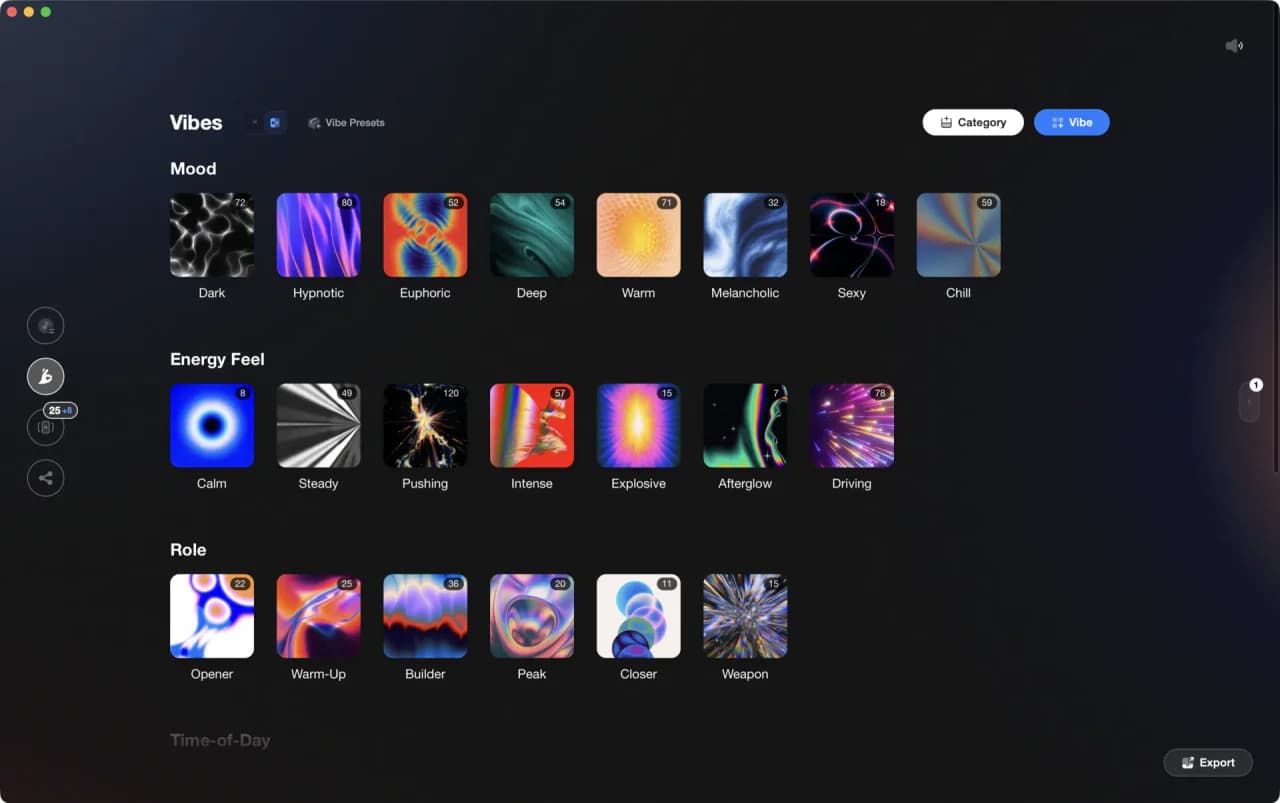
Most DJ analysis tools display the beatgrid and waveform, which can reveal swing visually when transients land slightly off the quantized grid markers. Some library tools, including Vibes, analyze energy and micro-rhythm characteristics during track analysis. The most reliable method is to listen critically during prep, noting whether a track sits straight or has a loping quality, and grouping tracks with similar groove characters into the same set sections to minimize clashes.
Ben Modigell

Hey, it's Ben Modigell 👋

I DJ and produce as so I so — downtempo, minimal, dub house, tech house, and techno (releases on Spotify and SoundCloud, links above). Everything I write here comes from my own gigs, studio sessions, and library cleanups: the rules I follow, the failure modes I've actually hit, and the workflow I use when nobody's watching. If a technique didn't earn its place in my own sets, it doesn't make it into a tutorial.

DJingMusic ProductionTech HouseMinimal HouseDub HouseTechnoDowntempoLibrary Organization