
Match 8A against the compatible keys below on the Camelot wheel, then verify the key in your own library before you blend.
- Musical key
- A minor
- Open key
- 1m
- Mode
- Minor · darker
- Compatible keys
- 7A · 9A · 8B
- Relative major
- 8B · C major
- Tracks shown
- 19
- Wheel position
- 8 o'clock
- Evidence
- Reviewed
Camelot compatibility is deterministic music theory; track counts and key tags still depend on the analysis source and exact edit.
Next stepPick any track in Vibes and Find Compatible filters your whole library down to its harmonic neighbors on the Camelot wheel. Find Compatible in Vibes
Quick answer
What key is 8A on the Camelot wheel?
A harmonic mixing guide for 8A: its 3 compatible keys with the energy direction of each move, reference tracks in A minor, and how to plan transitions on the Camelot wheel.
- DJ-ready reference
- Printable
- Methodology included
Compatible Keys
Keys That Mix With 8A
Reference tracks
Tracks in 8A (A minor), by Genre
Every track is verified against its beatgrid, with its real BPM, energy and length. Click any row to open its full sonic profile.
Eurodance
2 tracks
Techno
2 tracks

Nu-Disco
2 tracks
Drum & Bass
2 tracks
Other genres
11 tracks


Why These Keys Work Together
The three compatibility moves on the Camelot wheel aren't arbitrary — they reflect real music theory. Adjacent keys (number ±1, same letter) share six of seven notes, which is why melodies ride over the boundary without clashing. The opposite-letter same-number move is the relative major/minor — those two keys share all seven notes, only the tonal center shifts. That's why mood-swap transitions feel jarring in mood but never harmonically wrong: the underlying scale is identical.
How to Use 8A in a Mix
Hear it in real sets
Browse every 8A track in the directory and the DJs who play in A minor.
Visualize the wheel
Build sets that move through the wheel rather than jumping randomly with the interactive Camelot wheel.
Convert any key
When in doubt about a track's key, run it through the DJ key wheel to translate between Camelot, Open Key, and standard musical notation.
See the full compatibility grid
The harmonic mixing chart lays out every key relationship at a glance.
Print a cheat sheet
The Camelot wheel cheat sheet is printable for offline use.
Read the theory
Go deeper with our harmonic mixing guide.
8A in the Vibes Directory
Beyond the theory, hear 8A in real catalogues: browse every 8A track in the directory (A minor), all harmonically compatible and filterable by tempo, energy, and genre. These directory artists play in A minor:

Hey, it's Ben Modigell 👋
I've been DJing and producing music as "so I so," focusing on downtempo, minimal, dub house, tech house, and techno. My background in digital marketing, web development, and UX design over the past 6 years helps me create DJ tutorials that are clear, practical, and easy to follow.
Methodology
Last updated
Author and Methodology
Maintained by Ben Modigell, founder of Vibes. Ben builds DJ library, preparation, BPM, and harmonic-mixing tools for working DJs.
- Data used
- 391-track reference snapshot; this page filters the 19 entries tagged 8A (A minor).
- Source
- Audio features sourced from ReccoBeats (https://reccobeats.com); track metadata via Spotify Search API. Spotify deprecated audio-features for new apps in Nov 2024. Manual label reference tracks use Beatport BPM/key metadata where available.
- Evidence
- 19 reference tracks in the current snapshot are tagged 8A. BPM/key values come from ReccoBeats audio features and track metadata is resolved through Spotify.
- How this page is made
- Camelot key pages are generated from deterministic Camelot/Open Key mappings, harmonic-mixing rules, and a ReccoBeats/Spotify reference track snapshot. AI is not used to calculate key compatibility.
Camelot compatibility is deterministic music theory; track keys still depend on the analysis engine and the specific edit or remaster.
Report a correctionThe visual way to organize your DJ library
Tag tracks by vibe. See everything at once. Export to rekordbox, Serato, Traktor or Engine DJ.
14-day free trial. Full access, no strings attached.
or see how it works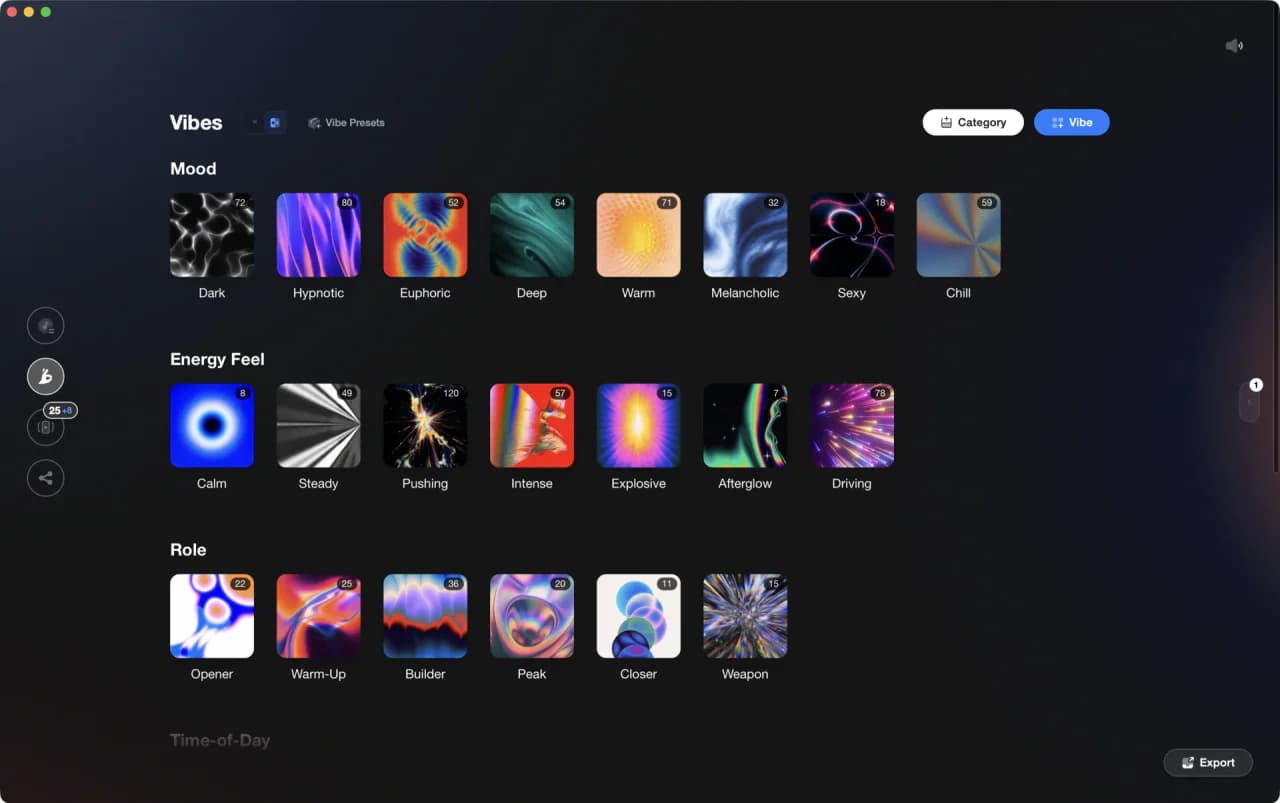
Frequently Asked Questions
Related Tools
Song Key & BPM Finder
Analyze any audio file: key, Camelot code, and BPM detected in your browser
Key & BPM Changer
Change a song's key, tempo, or speed in your browser with exact BPM targets
Camelot Wheel
Interactive Camelot wheel for harmonic mixing
Harmonic Mixing Chart
Complete reference chart for all key notations
Key Compatibility Checker
Check if two keys mix well together
Camelot Wheel Cheat Sheet
Printable reference of all 24 Camelot keys and compatible keys