
Filter your crate to this range, then verify each track's beatgrid and Camelot key before you blend.
- Practical target
- 138 BPM
- Tracks shown
- 16 shown
- Track spread
- 112-139 BPM
- Inside core range
- 7 of 16
- Below · above
- 9 below · 0 above
- Median · mean
- 126 · 129 BPM
- Sub-genres
- 16 styles
- Evidence
- 16 tracks, 7 core examples
Counts describe the reference tracks resolved on this page, not every record in the genre. Use the BPM that makes loops, cue points, and phrase markers behave cleanly.
Next stepVibes tags a techno library by mood and energy on top of genre, then helps design the set on a visual canvas. Vibes for techno DJs
Quick answer
What BPM is Techno?
A DJ tempo guide for Techno: where the core range sits, how its sub-genres split it, and 16 reference tracks spanning 112-139 BPM, separated into core, adjacent, and outlier records.
- DJ-ready reference
- Printable
- Methodology included
Reference tracks
Techno Reference Tracks
Resolved Techno tracks, verified against their beatgrids with real BPM, Camelot key, energy and length, separated by DJ fit. Click any row to open its full sonic profile.
Core Techno examples
7 inside 130-150 BPM




Adjacent and outlier examples
8 outside core



DJ fit notes
- L'esperanza: Below the 130-150 BPM core range; use as a bridge record or test a doubled grid.
- Awake: Below the 130-150 BPM core range; use as a bridge record or test a doubled grid.
- Subzero - Original Mix: Below the 130-150 BPM core range; use as a bridge record or test a doubled grid.
- Your Mind: Below the 130-150 BPM core range; use as a bridge record or test a doubled grid.
- Time - feat. Jules Buckley: Below the 130-150 BPM core range; use as a bridge record or test a doubled grid.
- I Want You (Forever) - Josh Butler Remix - Radio Edit: Below the 130-150 BPM core range; use as a bridge record or test a doubled grid.
- Spastik: Below the 130-150 BPM core range; use as a bridge record or test a doubled grid.
- Things We Might Have Said: Below the 130-150 BPM core range; use as a bridge record or test a doubled grid.
Genre family
The Techno Family
Techno sits at 130–150 BPM as a core DJ range, with 138 BPM as a practical target for crate filtering and set planning. Ambient Techno is the slowest at 100-130 BPM, while Schranz reaches 145-160 BPM.
Techno BPM Reference
Techno: 130-150 BPM, typical 138 BPM.
| Genre | BPM Range | Typical BPM | Notes |
|---|---|---|---|
| Techno | 130-150 | 138 | Originated in Detroit in the mid-1980s. Driven by repetitive, mechanical rhythms and futuristic synth textures. Designed for dark, immersive dancefloors. |
| Ambient Techno | 100-130 | 120 | Atmospheric techno that prioritizes texture and mood over drive. Aphex Twin (Selected Ambient Works), B12, Biosphere, The Black Dog. |
| Bleep Techno | 120-130 | 125 | Early-90s UK Yorkshire techno: Warp Records' formative sound. Sub-bass, melodic bleeps, and Detroit influence. LFO, Nightmares on Wax, Sweet Exorcist. |
| Melodic Techno | 122-132 | 126 | Emotional melodies over driving techno rhythms. Popularized by Tale Of Us, Afterlife label, and festival main stages. Maceo Plex, Massano, Anyma. |
| Dub Techno | 120-135 | 128 | Combines techno with dub reggae techniques: heavy reverb, delay chains, and dubby chord stabs create a meditative, spacious sound. Basic Channel, Rhythm & Sound, DeepChord. |
| Minimal Techno | 125-135 | 130 | Stripped to essentials: sparse arrangements, subtle percussion, and hypnotic repetition. Less is more. Plastikman, Robert Hood, Ricardo Villalobos. |
| Broken Techno | 125-138 | 130 | Techno built on broken beats and irregular kick patterns instead of strict 4/4. Bruce, Batu, Pessimist, Livity Sound territory. UK bass-meets-techno. |
| Tribal Techno | 130-138 | 134 | Drum-heavy techno with tribal percussion patterns and global drum influences. Adam Beyer's early Drumcode, Joel Mull, Marco Carola territory. |
| Detroit Techno | 128-140 | 135 | The original techno sound. Melodic, soulful, and forward-looking: influenced by Kraftwerk, funk, and sci-fi. Belleville Three: Juan Atkins, Derrick May, Kevin Saunderson. |
| Birmingham Techno | 130-142 | 135 | Dark, mechanical UK techno school: Surgeon, Regis, British Murder Boys, Female. Downwards label sound built on dystopian repetition. |
| Peak Time Techno | 132-140 | 135 | Beatport's catch-all for festival-ready, dancefloor-focused techno: Charlotte de Witte, Amelie Lens, Adam Beyer territory. Driving but melodic enough for big rooms. |
| Raw Techno | 130-142 | 135 | Stripped, lo-fi techno with raw analog warmth. Berghain-aligned but drier: Answer Code Request, Kobosil, Fadi Mohem. |
| Hypnotic Techno | 130-142 | 135 | Long, looping, trance-inducing techno built on subtle evolution. Donato Dozzy, Voices From The Lake, early Nina Kraviz Trip releases. |
| Acid Techno | 130-145 | 138 | Merges techno's drive with the squelchy TB-303 acid sound. Intense, psychedelic, and rave-oriented. Stay Up Forever, Liberator DJs. |
| Industrial Techno | 135-150 | 142 | Raw, abrasive, and uncompromising. Distorted kicks, metallic textures, and relentless intensity. Perc, Ancient Methods, Blawan. |
| Hard Techno | 145-160 | 150 | Faster, harder, louder. Pounding kicks, screeching synths, and aggressive energy for peak-time dancefloors. SPFDJ, Sara Landry, Hector Oaks. |
| Schranz | 145-160 | 150 | German hard techno offshoot known for hammering, distorted kicks and minimal melodic content. Chris Liebing's Frankfurt sound, late-90s Cocoon era. |
vibesdj.io/dj-tools - BPM ranges are practical DJ references, not strict genre boundaries.
Techno
Originated in Detroit in the mid-1980s. Driven by repetitive, mechanical rhythms and futuristic synth textures. Designed for dark, immersive dancefloors.
Sub-genre tempo spectrum
16 stylesReading the grid
How to Read Techno BPM in DJ Software
Techno is usually mixed around 130-150 BPM, with 138 BPM as a practical DJ target. The reference tracks on this page span 112-139 BPM, so use the grid that makes loops and phrase markers line up cleanly.
| Reading | Meaning | Action |
|---|---|---|
| 130-150 BPM | Core Techno DJ range | Beatmatch normally, then check phrasing around intros, breaks, and drops. |
| 65-75 BPM | Halftime interpretation of the core range | Double the grid if 8-bar loops or cue points feel too slow. |
| 138 BPM | Practical target for crate filtering | Use as a starting point, then sort by energy, key, and arrangement. |
| < 130 BPM | Slower adjacent or bridge records | Treat as tempo bridges unless the grid doubles cleanly into the core range. |
DJ Overview for Techno
Use this as a mixing and library-prep description, not an encyclopedia entry.
| Aspect | Detail |
|---|---|
| Sound palette | Repetitive rhythms, Mechanical feel, Dark atmosphere, Futuristic synths |
| Drum feel | 130-150 BPM core range; check whether slower readings work better doubled or as halftime. |
| Arrangement and phrasing | Confirm intro, build, drop, breakdown, and outro cue points before trusting the analyzer value. |
| Energy use in a set | builds, drops, and higher-energy transitions |
| Often compared with | Acid Techno, Detroit Techno, Birmingham Techno |
Mix Into Techno
Tempo overlap is only one part of the decision. These suggestions separate BPM fit from style fit so same-tempo but unrelated genres do not look like natural transitions.
| Genre | BPM fit | Style fit | Transition |
|---|---|---|---|
| Detroit Techno128-140 BPM · typical 135 | High | High | Long blend, harmonic blend, or drop swap |
| Minimal Techno125-135 BPM · typical 130 | High | High | Long blend, harmonic blend, or drop swap |
| Industrial Techno135-150 BPM · typical 142 | High | High | Long blend, harmonic blend, or drop swap |
| Acid Techno130-145 BPM · typical 138 | High | High | Long blend, harmonic blend, or drop swap |
| Dub Techno120-135 BPM · typical 128 | High | High | Long blend, harmonic blend, or drop swap |
| Hard Techno145-160 BPM · typical 150 | High | High | Long blend, harmonic blend, or drop swap |
| Schranz145-160 BPM · typical 150 | High | High | Long blend, harmonic blend, or drop swap |
| Birmingham Techno130-142 BPM · typical 135 | High | High | Long blend, harmonic blend, or drop swap |
Reference Artists in Techno
Artists represented in the current Techno track sample:
| # | Artist | Tracks | Keys |
|---|---|---|---|
| 01 | Adam Beyer | 1 track, 126 BPM | 10A |
| 02 | Amelie Lens | 1 track, 136 BPM | 1A |
| 03 | Bart Skils | 1 track, 126 BPM | 10A |
| 04 | Ben Klock | 1 track, 125 BPM | 11A |
| 05 | Cari Golden | 1 track, 126 BPM | 3B |
| 06 | Carl Cox | 1 track, 126 BPM | 11B |
Compare Nearby Styles
Primary reference for this page.
Same typical tempo; compare by arrangement and energy.
3 BPM slower typical tempo; useful for warmups or pull-backs.
3 BPM slower typical tempo; useful for warmups or pull-backs.
3 BPM slower typical tempo; useful for warmups or pull-backs.
Common Keys for Techno
Most-used Camelot keys among the Techno tracks shown here:
Got a track and no tempo for it? Drop the file into the song key and BPM finder to read its BPM and key in the browser, then place it against the Techno ranges above.
Want to hear it in practice? Browse Techno tracks and the DJs who play them in the directory, filterable by key, tempo, and energy.
Explore Related References
Mixing Tips
Tempo Window
Stay in the 130–150 BPM band for clean mixes; verify unknown tracks with the BPM tapper.
Harmonic Fit
Use the Camelot wheel to find compatible keys before transitioning, especially when Techno tracks have prominent melodic content.
Tempo Bridges
When bridging into a different tempo, use the key transposer to plan how pitch change affects key, or transition during a breakdown where the beat drops.
Next Reference
Browse the EDM genre BPM chart or the music genre tree to see how Techno relates to neighboring styles.
Typical Tempo
See tracks at the typical 138 BPM on the 138 BPM tracks page.
Hey, it's Ben Modigell 👋
I've been DJing and producing music as "so I so," focusing on downtempo, minimal, dub house, tech house, and techno. My background in digital marketing, web development, and UX design over the past 6 years helps me create DJ tutorials that are clear, practical, and easy to follow.
Methodology
Last updated
Author and Methodology
Maintained by Ben Modigell, founder of Vibes. Ben builds DJ library, preparation, BPM, and harmonic-mixing tools for working DJs.
- Data used
- 16 reference tracks
- Source
- Audio features sourced from ReccoBeats (https://reccobeats.com); track metadata via Spotify Search API. Spotify deprecated audio-features for new apps in Nov 2024. Manual label reference tracks use Beatport BPM/key metadata where available.
- Evidence
- 16 reference Techno tracks from a 391-track dataset; 7 sit inside the core DJ range and 9 are labeled as adjacent or outlier examples.
- How this page is made
- This page is generated from the Vibes genre taxonomy, curated reference tracks, computed evidence statistics, and reference track metadata where available. AI-assisted research helped draft the taxonomy notes; the visible page is rendered from structured data and reusable page logic.
Genre BPM ranges are practical DJ references, not statistical claims about every track. Different edits, live versions, and analysis engines may report slightly different tempos.
Report a correctionThe visual way to organize your DJ library
Tag tracks by vibe. See everything at once. Export to rekordbox, Serato, Traktor or Engine DJ.
14-day free trial. Full access, no strings attached.
or see how it works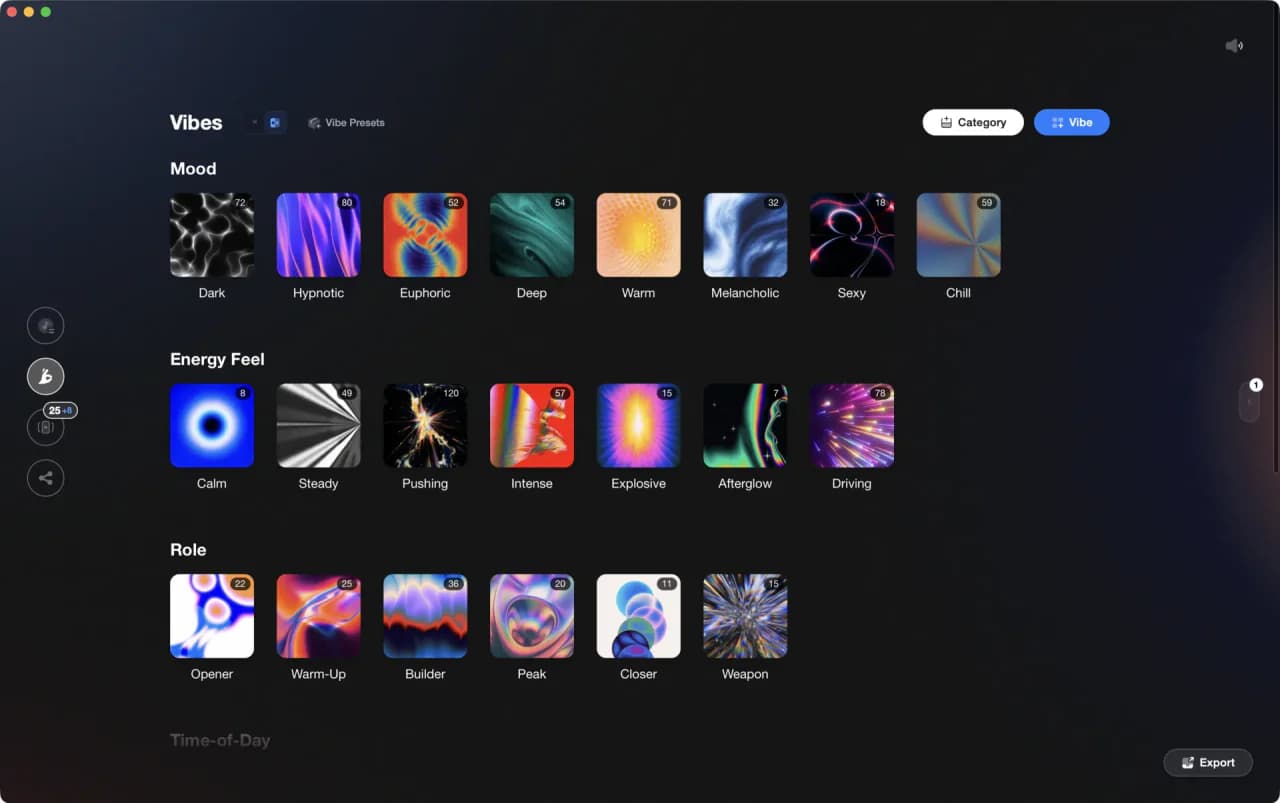
Frequently Asked Questions
Related Tools
Music Genre Tree
Complete electronic music genre taxonomy with BPM ranges
EDM Genre Chart
Interactive genre tree with BPM ranges
House Music BPM Guide
BPM ranges for house music and all sub-genres
Drum & Bass BPM Guide
BPM ranges for drum and bass and all sub-genres
Trance BPM Guide
BPM ranges for trance and all sub-genres
Dubstep BPM Guide
BPM ranges for dubstep and all sub-genres
Hardstyle BPM Guide
BPM ranges for hardstyle and all sub-genres