

Organize by energy in Engine DJ.
Engine DJ has no energy field and no free-form tag field, so DJs code energy into comments or star ratings. Here is how to tag tracks in Engine DJ so they form a workable energy system, and how to get a real energy read on every track.
$49$79USD one-time purchase. First 250 licenses at this price. 14-day free trial.
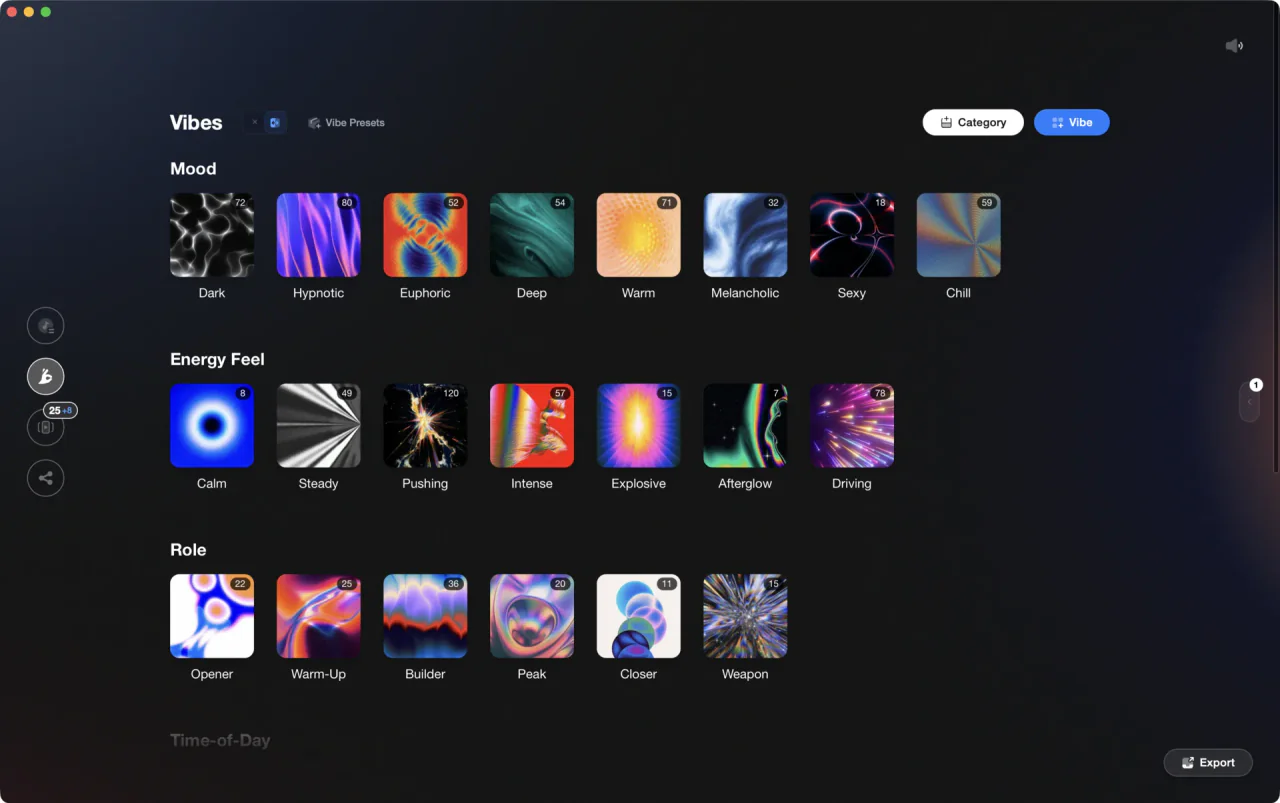
Pull the right energy for the room, with no laptop in the booth.
Building an energy system in Engine DJ.
With no dedicated energy field and no native track color system, the practical approach is to encode an energy scale into the comment field (or the label field) by hand, then build smartlists on that text. Star ratings (1-5 stars) are another option that maps naturally to a simple energy scale and are available as a smartlist rule field.
Choose an energy scale
Decide on a simple scale, for example 1 to 5 or warm-up to peak, and keep it consistent across the library.
Code it into a text field
Engine DJ has no dedicated tag field, so the code goes into a field it already has. Type a consistent code into the track's Comment field, or its Label field, for example 'energy:4' or '#peak' as a hashtag so it stays searchable. The 1-5 star rating field is the other option, and it works as a smartlist rule too. Engine DJ has no native track color system, so color-based coding is not a first-class option.
Build a smartlist
Right-click in the Collection pane, choose Create Smartlist, and add a rule that matches your energy code: a Comment rule set to 'contains peak', or a Rating rule set to 'is greater than 3'. A list like Peak Energy then maintains itself as you tag more tracks.
Order within energy
Inside an energy band, sort by BPM or key so the list is mix-ready when you open it on a player.
The catch
Energy here is a code you assign by ear and maintain by hand. Engine DJ never measures a track's actual energy, so the scale drifts as the library grows and you cannot fix it at a standalone gig. There is also no way to attach several tags to one track, so everything beyond genre and label ends up packed into the same comment text. And there is no native track color column, so any color reference in your workflow lives as text in a metadata field rather than as a visual color tag.
The faster way
An energy read on every track.
Vibes analyzes each track's energy curve and lets you tag energy as a first-class vibe, then exports it back into Engine DJ so your prepared library knows the energy of every track.
See how it worksOrganize in Vibes, export to Engine DJ.
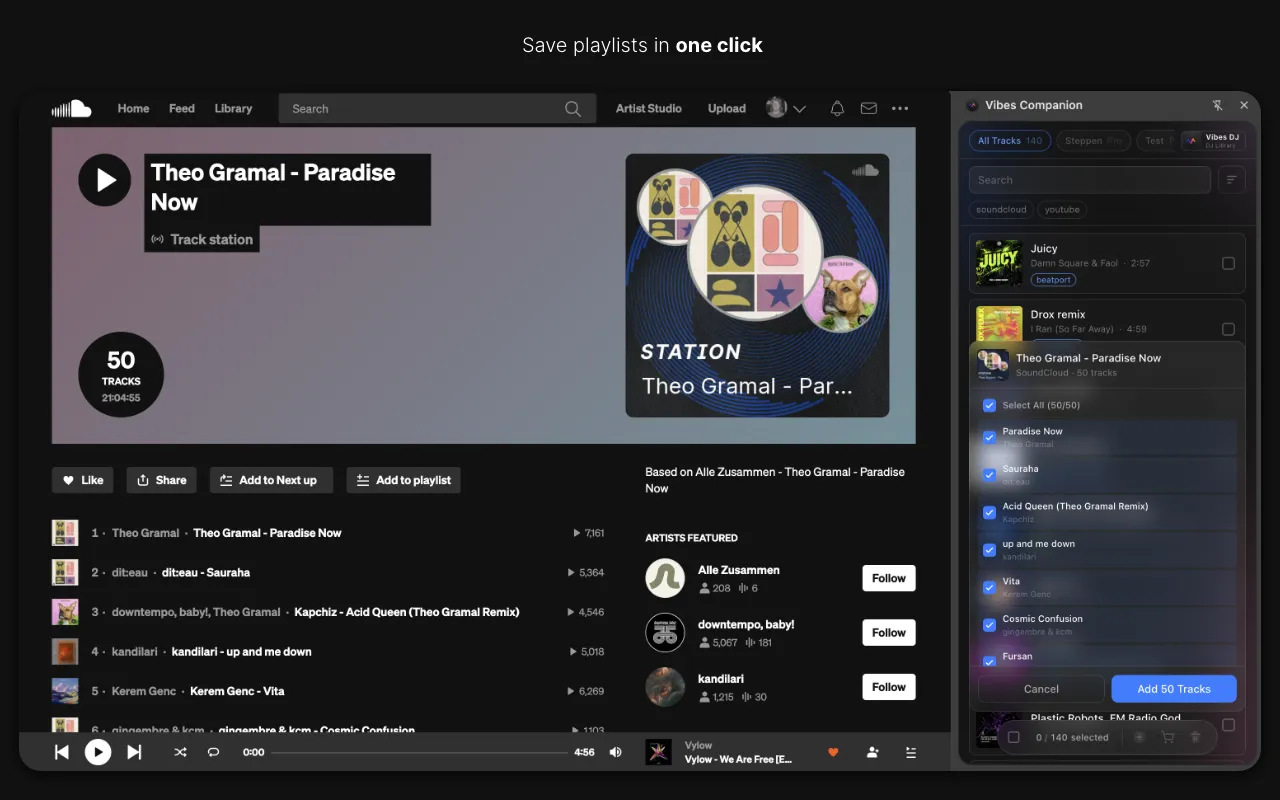
Your playlists, tags, ratings, and cue points travel back to the gear you play on, so nothing you do in Vibes is locked away.

Track 001
Artist A
Afterhours Mysterious
 Introspective
Track 002
Artist B
 Cozy FloorPeaceful
 Home
Home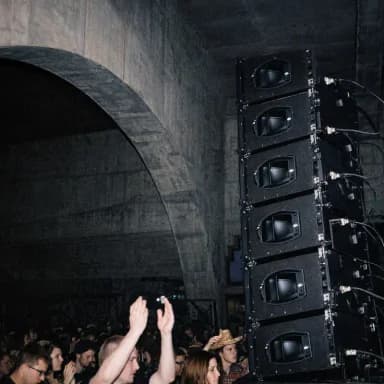
Track 003
Artist C
Rave Aggressive
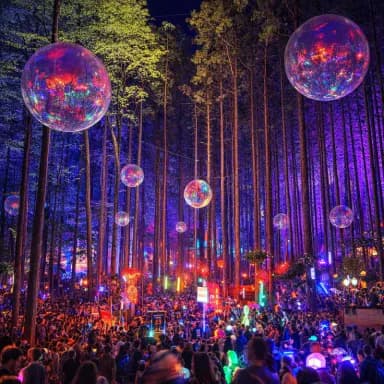 Festival
 Build & Release
Frequently asked questions
The honest answers, including the trade-offs.
From a Vibes customer
The import worked perfectly. Have created several sets now and my life is so much easier
One-time purchase
Get Vibes with a single payment. No subscription.
Vibes is the step before you open your DJ software, not a replacement for it.
First 250 licenses at this price, then $79.
14 days • Full access
No strings attached
Secure checkout with Stripe
Already have Companion Pro? Upgrade instead

Methodology
How we keep this honest.

Verified against the app
Every step is checked against the current version of Engine DJ.
We own our bias
We make Vibes. We show the native way first and honestly, then where Vibes genuinely helps, and we say when it does not.
Live pricing
The Vibes price shown comes straight from our checkout, never a hardcoded marketing number.
Kept current
Last reviewed September 2026.
Keep exploring
DJ apps head to head
Works with your software
Vibes for DJs
Vibes features
How-to guides
Best DJ software
Move between apps
Learn to DJ