Pioneer DJ DDJ-400
·Pioneer DJA compact 2-channel USB DJ controller built for rekordbox with a club-style layout aimed at new and progressing DJs.
Hands-On Control
DJ controllers give you tactile control over your software. From basic mixing to advanced performance features, the right controller shapes your workflow and creative possibilities.
The Pioneer DJ DDJ-400 is a compact 2-channel controller built for rekordbox and aimed squarely at new DJs who want a layout that feels close to club gear. If you are deciding between the Pioneer DJ DDJ-400 and newer entry-level options, the big appeal is simple: it teaches the right habits without adding much clutter.
Product Overview
The Pioneer DJ DDJ-400 is best for beginners who want to learn core mixing skills on a controller that copies the logic of larger Pioneer DJ setups. It is small, bus-powered, and easy to understand, which is why it became one of the most recommended starter controllers of its era.
Pioneer DJ launched the DDJ-400 in June 2018 as a rekordbox-focused controller with tutorial support, Beat FX, and a club-style arrangement of transport, EQ, looping, and browsing controls. The official product page remains live in Pioneer DJ's archive, and the support section still hosts manuals and documentation.
That matters because the DDJ-400 is no longer a current model. The clearest replacement path is the Pioneer DJ DDJ-FLX4, which took over as the brand's main beginner controller and added USB-C, wider software support, and more convenience features.
Even so, the DDJ-400 still makes sense if you find a clean used unit at the right price. The layout stays relevant, the onboard sound card keeps setup simple, and the controller still feels more focused than many beginner decks that lean too hard on automatic functions.
In practice, that focus is the reason many DJs still talk about it. You get two decks, a mixer section that resembles Pioneer DJ's larger ecosystem, and enough performance controls to learn phrasing, beatmatching, EQ blending, cueing, looping, and basic effects without distraction.
DDJ-400 Features
The standout feature set is not about novelty. It is about giving you the parts that matter most for learning and keeping the workflow close to what you will meet on club-standard Pioneer DJ systems.
First, the club-style layout is the main selling point. Pioneer DJ says the controller inherits the essence of its professional NXS2 setup, and that shows in the placement of the jogs, mixer, loop controls, and FX section. If your end goal is to move toward CDJs and DJM mixers, this is a useful bridge.
Second, rekordbox Tutorial support was a big part of the original pitch. New DJs could follow guided lessons on-screen while using the hardware, which lowered the barrier to entry and made the DDJ-400 more structured than many rivals at launch.
Third, the built-in sound card and USB bus power keep the setup clean. You connect one USB cable to your laptop, plug speakers into the RCA master output, and monitor through the front headphone jack. For home practice, that simplicity is a real advantage.
The effects section also deserves mention. Beat FX and Sound Color FX give you access to a more Pioneer-like mixing feel than many budget controllers. You are not getting a deep standalone effects engine, but you are getting controls that teach timing and restraint.
There are limits. The DDJ-400 uses RCA master outputs, not balanced connections, and its single mic input is basic. For bedroom use that is fine. For regular bar gigs, livestreaming, or louder sound systems, newer controllers tend to offer more flexibility.
In practice, what matters in a live booth is reliability, fast recovery, and low-light readability, not marketing extras. That is where the DDJ-400 still holds up well. The control logic is predictable, and the surface is easy to read once you know the layout.
Technical Specs
The core specs are straightforward and still practical for home DJing. Official Pioneer DJ materials list the DDJ-400 as a 2-channel USB controller with a built-in sound card, one mic input, RCA master output, and headphone monitoring.
| Specification | Details |
|---|---|
| Channels | 2-channel DJ controller |
| Software | rekordbox hardware unlock |
| Dimensions | 482.0 x 272.4 x 59.2 mm |
| Weight | 2.1 kg / 4.63 lbs |
| Inputs | 1 x 1/4-inch TS mic input |
| Outputs | 1 x RCA master, 1 x 3.5 mm headphone out |
| USB | 1 x USB Type-B |
| Power | USB bus power, 5 V 500 mA |
| Frequency Response | 20 Hz to 20 kHz |
| S/N Ratio | 103 dB (USB) |
| THD | 0.005% |
Those numbers are solid for an entry-level controller. The audio spec is good enough for practice, streaming, and small room playback, though the unbalanced RCA output is still the main bottleneck if you want a more professional connection path.
The size is another reason the DDJ-400 stayed popular. It is light enough to move between bedrooms, house parties, and casual gigs without becoming a burden. If portability matters more than extra outputs, the form factor still works.
Who Is This For
The Pioneer DJ DDJ-400 is for beginners who want to learn proper mixing structure on a controller that feels close to the wider Pioneer DJ ecosystem. It is less ideal for mobile DJs, streamers, or performers who need more outputs, more mic control, or broader modern connectivity.
If you are just starting, the DDJ-400 is easy to recommend when the price is sensible. The controller gives you the basics in the right places, so your time goes into learning timing, track selection, cue points, phrasing, and gain structure instead of decoding odd design choices.
It also suits DJs moving from pure software to hardware. If you have mixed in rekordbox with a keyboard and mouse, this controller gives you a low-friction step into physical jogs, transport controls, and headphone cueing.
It is less convincing for gig-heavy users. If you need balanced outputs, dual headphone options, independent booth out, or more advanced mic routing, look at the DDJ-FLX4 overview or a larger controller in a DJ controller buying guide.
In Practice
In real use, the DDJ-400 feels quick and focused. Setup is fast, the browsing section is simple, and the two-deck layout encourages you to work on fundamentals instead of chasing extra features you may not need yet.
The jog wheels are compact, but they are responsive enough for basic cueing, nudging, and light scratching. The pitch faders are shorter than what you get on larger gear, so fine beatmatching is a bit less comfortable, but that tradeoff is normal at this size.
The mixer section is where the DDJ-400 earns its reputation. EQ, filters, cue buttons, and channel faders are laid out in a way that builds habits you can carry forward. This means less relearning later if you step up to CDJs or all-in-one systems.
PC Master Out is another practical feature that often gets overlooked. You can hear your mix through your computer speakers or connected desktop speakers while still cueing in headphones. For small home setups, that flexibility saves money and desk space.
Build quality is good for the class, not tank-like. The chassis is light and portable, but it should still be treated like home and light-gig gear. Most long-term issues come from transport, loose USB handling, or rough storage rather than design flaws.
If you buy used, check the jog response, cue buttons, gain knobs, and USB port first. Also confirm firmware status and software compatibility. Pioneer DJ still lists the DDJ-400 in its application and OS support resources, but used buyers should verify their laptop setup before committing.
Pros and Cons
The DDJ-400 remains easy to like because its strengths are practical, not theoretical. Its weaknesses are just as clear, and most of them come from age and market position rather than bad design.
Pros
- Club-style layout.
- Clear beginner workflow.
- Lightweight design.
- rekordbox hardware unlock.
- Useful tutorial support.
- Good audio performance for the class.
Cons
- -Discontinued.
- -Often overpriced on the used market.
- -RCA master output only.
- -USB-B feels dated.
- -Fewer software and connectivity options than newer rivals.
If you want a focused practice controller, the pros still outweigh the cons. If you want a future-proof first purchase in 2026, the balance shifts toward newer models.
Price and Value
At launch, the DDJ-400 sold in the US for about $249. Today, value depends almost entirely on used pricing, because the controller has been replaced by the DDJ-FLX4 and is no longer a normal new-stock purchase.
That creates a simple rule. If a clean used DDJ-400 is much cheaper than a new FLX4, it can still be a smart buy. If the gap is small, the newer controller usually makes more sense because you get USB-C, current positioning, and broader feature support.
This is where secondhand pricing can get irrational. The DDJ-400 built a strong reputation, so some sellers ask near-new money for aging units. At that point, you are paying for nostalgia and demand rather than practical value.
For most buyers, the sweet spot is a well-kept used unit with intact knobs, responsive jogs, and proven USB reliability. If you also need headphones or monitors, compare the full setup cost against options in our beginner DJ setup guide.
Alternatives
The obvious alternatives depend on whether you want the same Pioneer-style workflow or a different software path. The good news is that the DDJ-400's role in the market is now easy to map.
| Product | Price | Key Difference |
|---|---|---|
| Pioneer DJ DDJ-FLX4 | $299 | Direct successor with USB-C and more modern software support |
| Pioneer DJ DDJ-REV1 | $279 | Battle-style layout better for scratch-focused beginners |
| Traktor Kontrol S2 MK3 | $339 | Stronger Traktor integration with a different workflow |
If you want the closest modern equivalent, start with the Pioneer DJ DDJ-FLX4. If you prefer a more scratch-oriented approach, the REV1 is a better fit. If software matters more than club-layout familiarity, Traktor's S2 MK3 remains competitive.
Bottom Line
The Pioneer DJ DDJ-400 earned its reputation because it solved the right problem. It gave new DJs a straightforward path into mixing on hardware that felt close to the company's larger systems.
That is still true in 2026. The layout works. The sound is good for the class. The workflow remains one of the best ways to learn. What changed is the market around it.
If you find a clean used DDJ-400 at a sensible price, it is still a smart beginner controller. If the price is inflated, move on. The newer options are better value, easier to support, and more future-proof.
Organize for Live Performance
Tag tracks by set position, energy level, and key. When you're performing live, every second counts, find what you need instantly.
14-day free trial. Full access, no strings attached.
or see how it works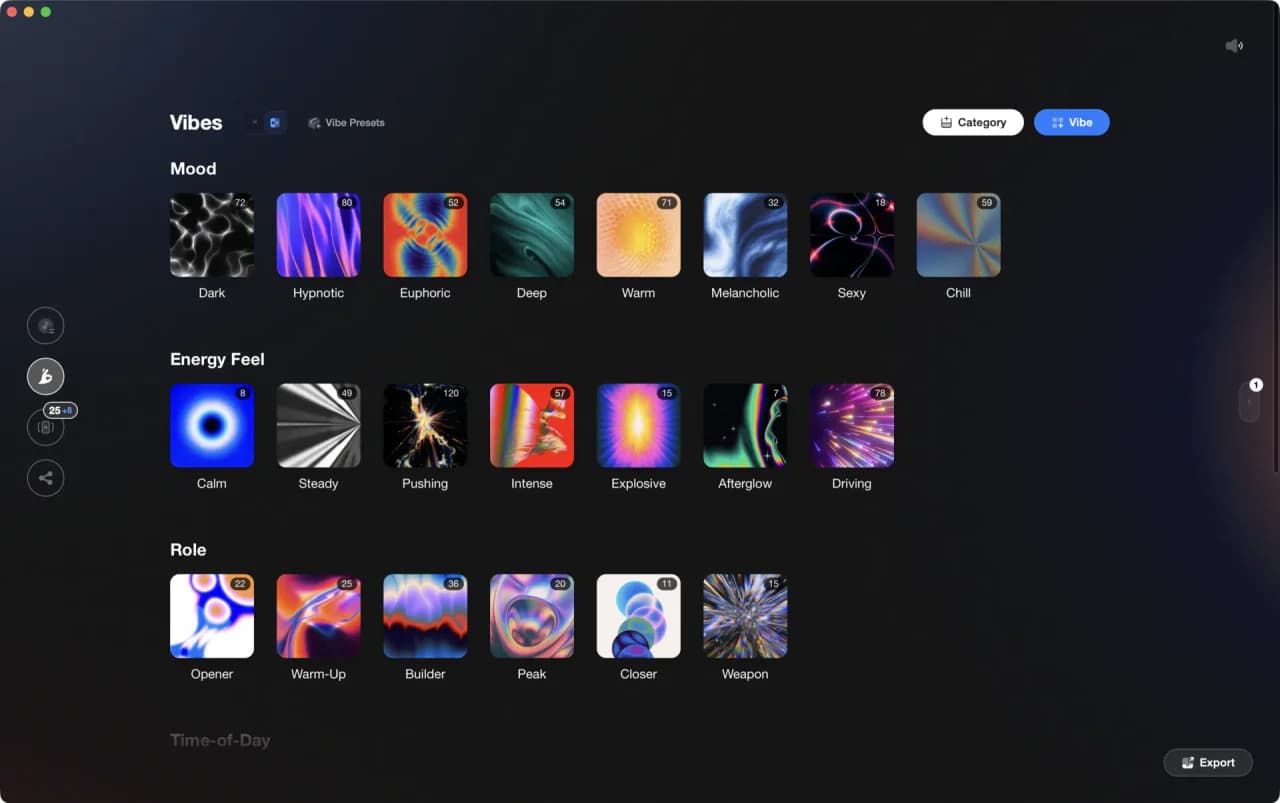
Tutorials Using Pioneer DJ DDJ-400
DJ Techniques Using This Gear
See how DJs and live performers incorporate Pioneer DJ DDJ-400 into their workflow.
Track Analysis
Stem Separation
Cross-Platform Playlist Integration
Smart Playlists for DJs
Move Rekordbox to a New Computer: Keep Cues and Playlists
Arrangement Optimization
Frequently Asked Questions

Hey, it's Ben Modigell 👋
I DJ and produce as so I so: downtempo, minimal, dub house, tech house, and techno (releases on Spotify and SoundCloud, links above). Everything I write here comes from my own gigs, studio sessions, and library cleanups: the rules I follow, the failure modes I have actually hit, and the workflow I use when nobody is watching. If a technique did not earn its place in my own sets, it does not make it into a tutorial.