EQ Swapping
EQ swapping is the DJ transition move of trading low, mid, or high frequency energy between two tracks for a clean, controlled handoff.
EQ Swapping Tutorials
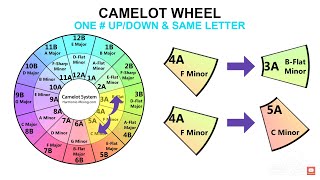
DJ Key Wheel Decision Framework: Four Safe Moves and Advanced Jumps
EQ Swapping is the DJ technique of trading frequency bands between two tracks so the transition feels intentional instead of crowded. If your mixes sound muddy, harsh, or suddenly thin, EQ swapping usually fixes the problem. Learn it well and you can move between tracks with more control, more energy management, and far less audible clash.
This technique matters because most transition problems are really frequency problems. Two basslines fight. Two vocal-heavy midranges blur together. Two bright drum patterns can get sharp fast. EQ swapping gives each track a role during the handoff.
For most DJs, the practical version starts with a bass swap. You bring in the new track with the low EQ reduced, blend the phrases, then exchange the low end at the right moment. From there, you can expand into mids and highs for cleaner, longer, and more musical transitions.
Before you go deep on EQ swapping, it helps to build reliable beat matching control and practice phrase matching for cleaner entries. Those skills do not replace EQ work, but they make the swap land at the right musical moment.
What Is EQ Swapping?
EQ swapping is a transition method where you lower one frequency band on the incoming track and exchange it with the same band on the outgoing track. In most DJ sets, that means swapping the low end first so kick and bass energy pass cleanly from one track to the next.
The core idea is simple. Do not let both tracks dominate the same frequency space at full strength. Native Instruments describes a basic transition this way: start with the playing track flat, reduce the incoming track’s low EQ, blend it in, then raise the incoming low while lowering the outgoing low.
That basic move is why EQ swapping is often treated as standard transition craft rather than an effect. Crossfader frames EQ and filters as foundation tools for pro-sounding mixes, while other DJ education sources describe bass swapping, frequency layering, and gradual EQ moves as the main ways DJs prevent muddiness.
You may also hear the technique called bass swapping, EQ blending, or frequency swapping. In practice, clean swaps of the EQs usually refer to the same family of moves, especially in house and techno mixing.
EQ Swapping Fundamentals
EQ swapping works when you understand what each band is doing. The low band carries kick, bassline, and sub energy. The mid band holds vocals, chords, synth body, and much of the musical detail. The high band carries hats, snaps, cymbals, and brightness.
Most clashes happen in the lows first. That is why nearly every beginner-friendly transition recipe starts by cutting the incoming track’s bass before you raise its channel level. If both low bands stay full, the mix often turns boomy and loses definition.
Your mixer also matters. AlphaTheta describes channel EQ isolators as controls for the high, mid, and low frequencies independently, and some Pioneer DJ mixers can switch between standard EQ behavior and isolator mode. In isolator mode, a band can be cut much more aggressively, sometimes to full kill.
This means the same hand movement can produce different results on different gear. A clean swap on one mixer may sound too abrupt on another. You need to learn whether your EQ knobs act like gentle tone controls or near-total band removers.
Phrase timing matters just as much as knob position. An accurate bass swap at the wrong phrase point still sounds wrong. If you want even cleaner blends, use harmonic mixing to reduce tonal clashes so the transition is not fighting both frequency overlap and key conflict.
How to Do EQ Swapping
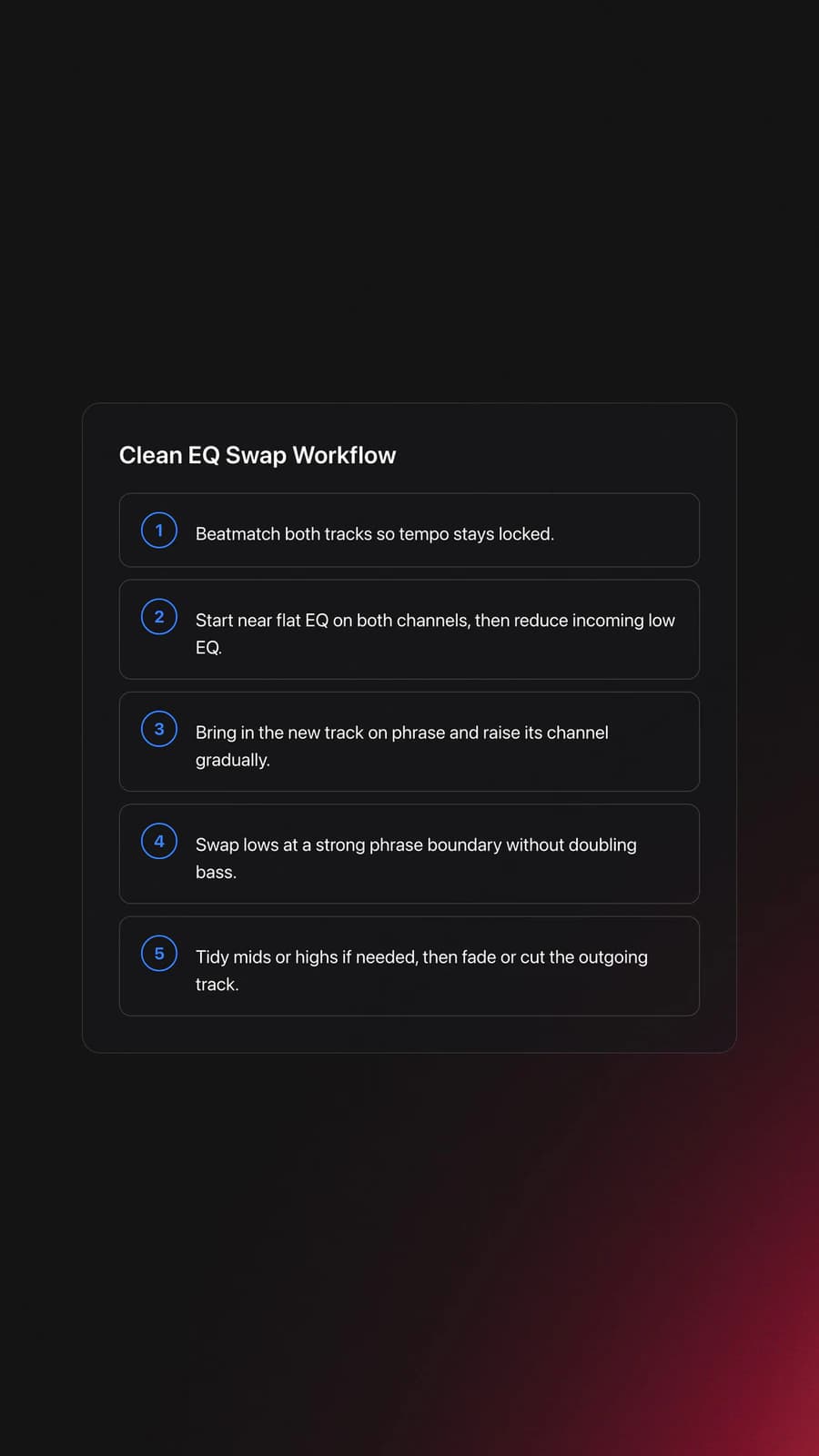
To do EQ swapping cleanly, match the tracks, enter on phrase, keep the incoming low reduced, then exchange the key frequency band at a musically strong point. The smoother your timing and gain control, the less obvious the move sounds.
| Step | Action | Key Point |
|---|---|---|
| 1 | Beatmatch both tracks | Tempo drift ruins the handoff |
| 2 | Set both channels near flat EQ | Start from a neutral reference |
| 3 | Reduce low EQ on incoming track | Prevent bassline conflict |
| 4 | Start incoming track on phrase | Swap works best on the musical 1 |
| 5 | Raise incoming channel gradually | Let hats, percussion, and groove settle in |
| 6 | Swap lows on a phrase boundary | Trade power without doubling sub energy |
| 7 | Tidy mids or highs if needed | Fix vocal or percussion clashes |
| 8 | Fade or cut the outgoing track | Leave one track dominant |
A basic bass swap is the safest place to start. Keep the outgoing track full. Bring in the incoming track with low EQ reduced. Once the new groove is sitting correctly, swap the lows over one beat, one bar, or a short phrase, depending on the genre and arrangement.
Mid swaps are useful when both tracks carry vocals, heavy synth hooks, or busy percussion. London Sound Academy’s transition examples specifically place the mid swap earlier in the intro and the bass swap later, which reflects a common real-world pattern: clear the musical body first, then hand over the low-end weight.
High swaps are usually smaller and more selective. You rarely need a dramatic full high kill unless the top end is genuinely sharp. Often a slight reduction on one track is enough to let the other track’s hats or snare pattern read clearly.
In my experience from years of short daily practice blocks, the fastest progress came from repeating one transition type for 15 minutes instead of trying every possible variation in one session. That routine makes your hands calmer, and calmer hands make cleaner EQ moves.
Extending a Swap Into a Long Blend
A standard bass swap resolves in a few bars. A slow EQ blend stretches the same idea across 16 to 64 bars, replacing the outgoing track’s lows, mids, and highs in stages instead of one exchange. The staging usually runs top down: introduce the incoming hats and upper percussion first, thin the competing mids as vocals or synths begin to overlap, and save the bass handoff for last.
Phrase timing is what makes a long blend sound planned instead of accidental. Make the major EQ moves at phrase points: the biggest low-end swap lands best at the start of a new 8 or 16 bar unit, or just before a breakdown resolves. Count ahead and decide in advance where percussion enters, where mids thin out, and where the bass swap lands. That gives your hands a plan and keeps your ears free to judge the result.
Long overlaps also expose track pairing more than quick swaps do. Use this checklist when choosing a pair for an extended blend.
| Element | What to Look For | Why It Matters |
|---|---|---|
| Tempo | Close BPM range | Reduces drift during long overlaps |
| Arrangement | Long intros, outros, or steady grooves | Creates room for gradual swaps |
| Bass content | One track less sub-heavy than the other | Makes bass handoff easier |
| Melodic density | Sparse against dense works well | Prevents midrange clutter |
| Mixer behavior | Predictable EQ cut curve | Makes small adjustments repeatable |
One more rule for long overlaps: cut rather than boost. Aggressive boosting reduces headroom fast and makes clipping more likely, and a long blend gives that buildup more time to accumulate. If the low end turns muddy mid-blend, shorten the overlap and commit to an earlier bass swap.
When EQ Swapping Sounds Best
EQ swapping sounds best when both tracks have space for a handoff. Long intros, drum-led outros, breakdown exits, and repeated 8 or 16 bar sections are ideal because they give you time to blend and assess the frequency balance.
House and techno are especially friendly to this technique because the arrangements often leave room for gradual frequency exchange. Hip-hop and open-format sets can still use it, but you usually need quicker decisions because hooks and vocals arrive faster.
A clean swap also depends on level discipline. If the incoming channel is too hot, even a correct bass cut can feel aggressive. If the outgoing track is already weak, the swap may feel like the floor disappears before the new track fully lands.
This is why recorded practice matters. What feels smooth in headphones can sound uneven on speakers. Review your transitions and listen for three things: low-end bumps, vocal masking, and sudden brightness changes.
Practice Drills for EQ Swapping
The best EQ swapping drills isolate one variable at a time. Practice bass swaps first, then mid swaps, then longer blends that combine both. Short, repeatable sessions work better than marathon practice because your ears stay more accurate.
Through daily 15 to 30 minute sessions over several years, I found that tracking the same 3 to 5 transitions for two weeks reveals progress faster than constantly changing material. You notice whether the low handoff is late, whether mids are cluttered, and whether your fader movement is covering weak EQ choices.
If you keep a dedicated practice crate, organizing tracks by BPM, phrase-friendly intros, and vocal density makes drill selection much easier. This is one of the few places where a library tool like Vibes fits naturally, because structured categories let you build repeatable transition pairs instead of searching your collection every session.
Use measurable goals. Hold a stable 16-bar blend without drift. Complete a bass swap on the phrase 1 without a volume spike. Make two vocal tracks share a transition without obvious midrange masking. Those are real checkpoints, not vague feelings.
Common Mistakes With EQ Swapping
Most EQ swapping mistakes are not dramatic. They are small timing, level, or listening errors that add up. Fix those and your transitions improve fast.
| Mistake | Why It Happens | Solution |
|---|---|---|
| Double basslines | Incoming lows are not reduced enough | Cut incoming low earlier and swap on phrase |
| Thin transition | Outgoing lows are removed before incoming groove is established | Raise incoming channel first, then swap |
| Messy vocals | Both mid bands stay too present | Reduce one track’s mids during the overlap |
| Harsh top end | Two bright drum patterns stack together | Trim highs slightly on the busier track |
| Abrupt handoff | Swap happens off phrase or too suddenly for the genre | Count bars and test longer swap timing |
Another common problem is over-EQing. Beginners often keep turning knobs because they want to feel active. In reality, clean swaps usually use fewer moves than messy ones. If the tracks already complement each other, a bass swap and small mid trim may be enough.
There is also a gear-specific trap. On mixers with strong isolator behavior, full cuts sound more extreme than on gentler EQ curves. If your swaps feel too hollow or too surgical, check the mixer mode before blaming your timing.
Troubleshooting EQ Swapping
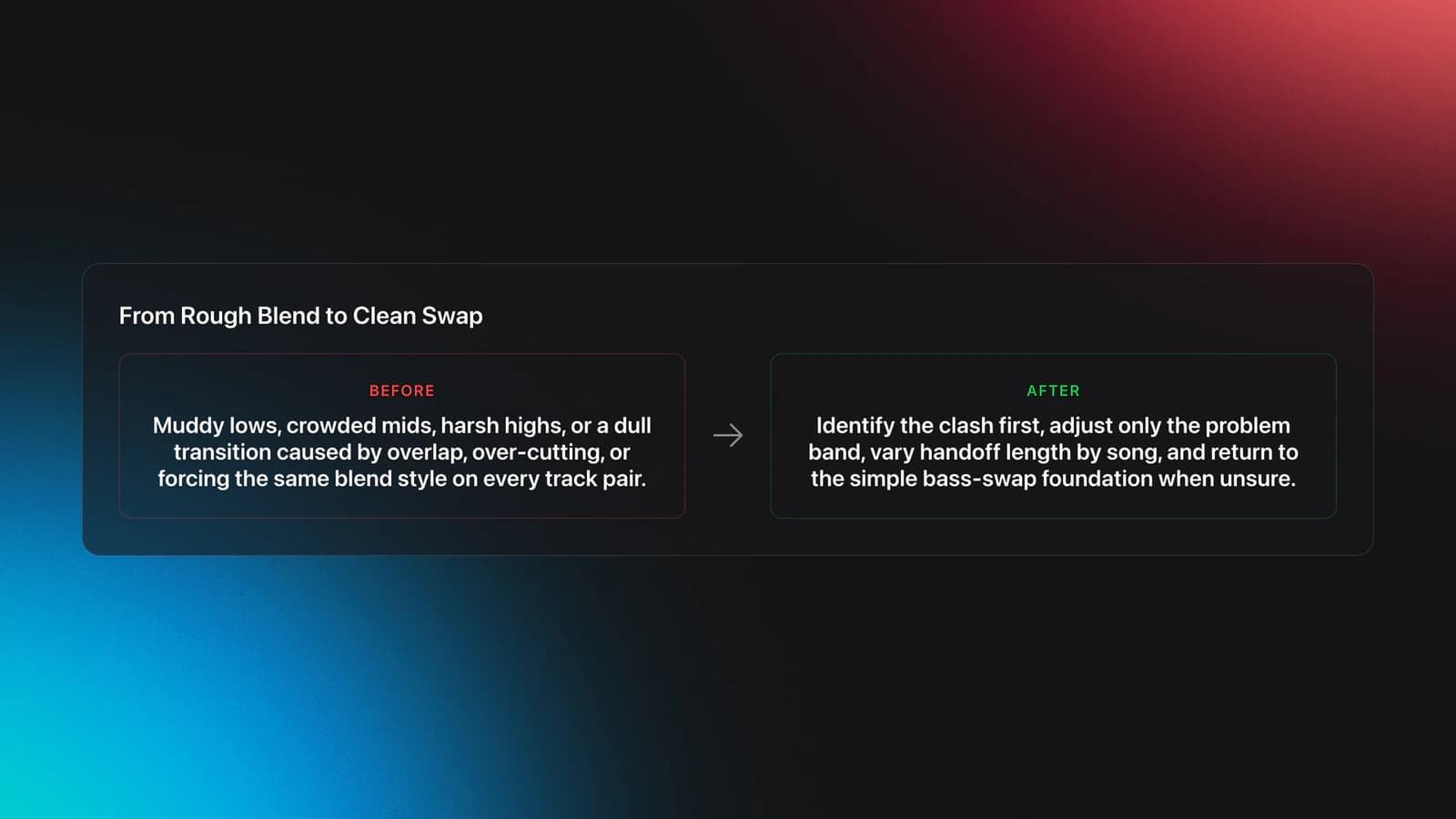
If your EQ swapping still sounds rough, diagnose the type of clash before changing technique. Mud usually means low-end overlap. Confusion usually means midrange competition. Fatigue usually means too much top-end energy or boosted gain.
If the transition feels dull, the problem may be the opposite. You may be cutting too much for too long. Let the incoming track’s percussion, texture, or vocal teaser arrive before the full bass handoff so the crowd hears momentum rather than subtraction.
If the swap only works with certain songs, that is normal. Not every pair supports the same style of blend. Some tracks want a long 16-bar exchange. Others need a shorter 4-bar handoff, a loop, or even a more direct cut.
When in doubt, simplify. Flat EQ on the outgoing track, incoming low reduced, correct phrase entry, gradual channel raise, then a clean bass swap. That basic pattern remains the foundation because it works across many genres and setups.
Equipment and Setup Notes
You do not need premium gear to learn EQ swapping, but you do need predictable controls. A basic controller with 3-band EQ is enough. More advanced mixers simply give you finer control, clearer meters, and sometimes switchable EQ or isolator behavior.
Headphones matter because cueing lets you hear whether the incoming groove is settled before the swap. Recording is also useful. Many DJs think they have an EQ issue when the real problem is level mismatch or phrase timing.
If your mixer supports standard EQ and isolator modes, practice both. Pioneer DJ specifications show that some mixers offer a standard range and a switchable isolator range, so the same movement may either soften a band or nearly remove it. You need muscle memory for your actual rig.
Real-World Progression
A realistic progression starts narrow. First, learn one clean bass swap between two compatible house tracks. Next, repeat it until the timing feels automatic. Then add mid control for vocals or melodic overlap. Only after that should you combine EQ work with loops, filters, or effects.
This matters in gigs because crowded booths and loud rooms reduce your attention. The transitions that survive real performance are the ones built on simple habits. If your hands know the sequence, you stay focused on track choice and room energy instead of panicking over knobs.
That is the real payoff of EQ swapping. It is not just a cleaner transition sound. It is more confidence, better energy control, and more freedom to shape a set without losing the floor.
Key Takeaways
EQ swapping is one of the core DJ transition skills because it solves the problem that listeners hear most clearly: frequency conflict. Once you can trade bass, mids, and highs at the right moment, your mixes sound more deliberate and more musical.
- Start with bass swaps, because low-end clashes are the easiest to hear.
- Phrase timing and gain staging matter as much as EQ position.
- Use short, repeatable drills until the handoff feels automatic.
Your next step is simple. Pick two tracks with clean intros and outros, record ten bass swaps, and listen back for mud, thinness, and timing. After that, move into mid swaps and then combine the technique with use harmonic mixing to reduce tonal clashes.
The visual way to organize your DJ library
Tag tracks by vibe. See everything at once. Export to rekordbox, Serato, Traktor or Engine DJ.
14-day free trial. Full access, no strings attached.
or see how it works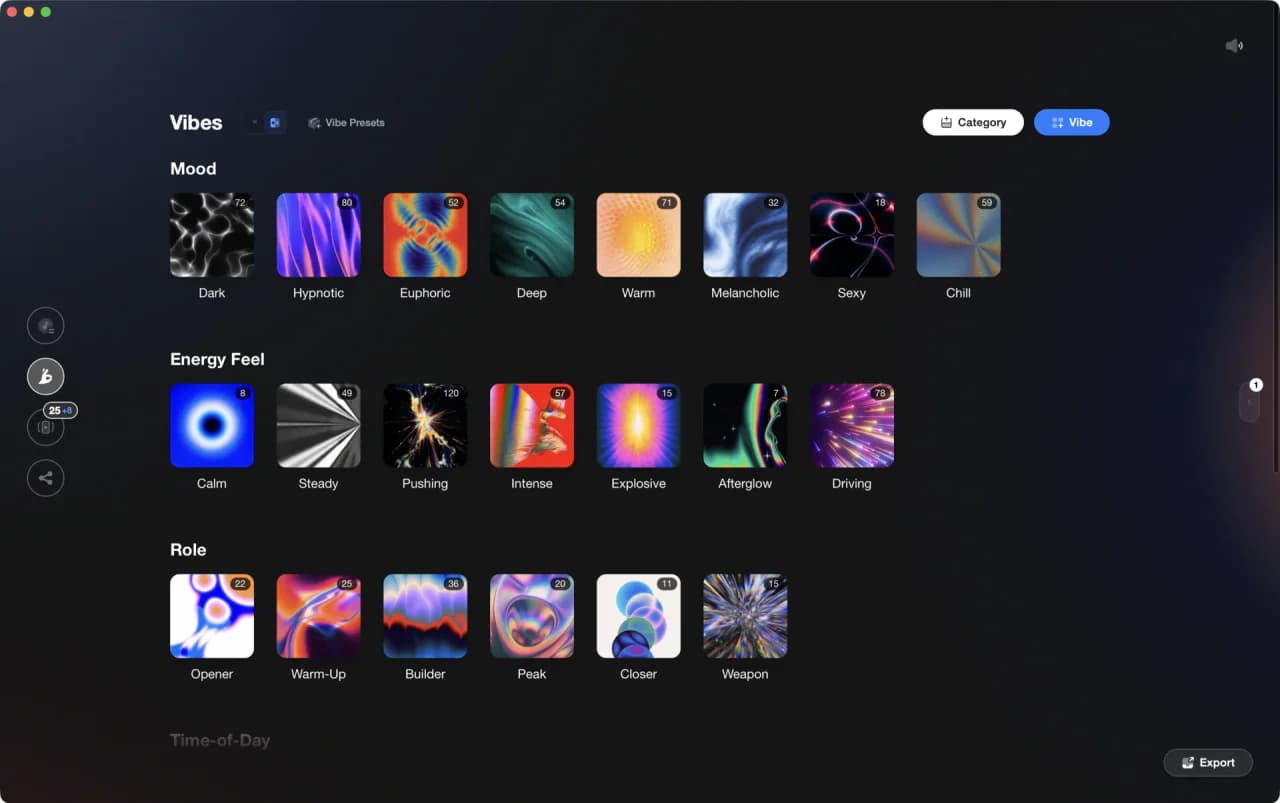
Frequently Asked Questions

Hey, it's Ben Modigell 👋
I DJ and produce as so I so: downtempo, minimal, dub house, tech house, and techno (releases on Spotify and SoundCloud, links above). Everything I write here comes from my own gigs, studio sessions, and library cleanups: the rules I follow, the failure modes I have actually hit, and the workflow I use when nobody is watching. If a technique did not earn its place in my own sets, it does not make it into a tutorial.