Pioneer DJ DDJ-1000
·Pioneer DJA 4-channel rekordbox DJ controller with full-size jog wheels, onboard displays, and club-style mixer controls.
Hands-On Control
DJ controllers give you tactile control over your software. From basic mixing to advanced performance features, the right controller shapes your workflow and creative possibilities.
The Pioneer DJ DDJ-1000 is still one of the clearest bridges between controller DJing and a club booth. It gives you a 4-channel mixer layout, full-size jogs, and onboard screens in a format that feels much closer to CDJs and a DJM mixer than most laptop controllers. If you use rekordbox and want booth muscle memory at home, the Pioneer DJ DDJ-1000 still makes sense.
Product Overview
The Pioneer DJ DDJ-1000 is a discontinued 4-channel rekordbox controller aimed at DJs who want club-style workflow without buying separate players and a mixer. It launched in January 2018 and remains relevant because the hardware layout, jog feel, and mixer section still map well to common booth setups.
This is not a beginner-first unit. It is best for intermediate and working DJs who already understand phrasing, EQ, and layered mixing.
The big reason people still search for the Pioneer DJ DDJ-1000 is simple. It solved a practical problem better than many newer controllers. It let you practice on gear that felt familiar when you later stepped onto CDJs and a DJM mixer.
According to the Pioneer DJ DDJ-1000 official product page, the controller uses a club-style layout, full-size jog wheels, hardware Beat FX, Sound Color FX, and a MAGVEL FADER crossfader. The rekordbox hardware unlock list also shows the DDJ-1000 as supported hardware, which matters if you are buying used and want a clear software path.
In practice, the DDJ-1000 sits in a sweet spot between smaller home controllers and full modular rigs. If you are comparing it with the AlphaTheta DDJ-FLX10, the newer model adds software flexibility and newer features, but the DDJ-1000 still wins on used-market value when priced right.
DDJ-1000 Features
The DDJ-1000 stands out because its key features are practical, not decorative. The short version is this: you get a controller that behaves like compact club gear, with enough I/O and mixer control to grow into real gig work.
The jog wheels are a major part of that appeal. Pioneer DJ says they are full-sized and include customizable color LCD displays in the center. Those screens can show BPM, waveform, playback position, Hot Cues, and loop data, so you spend less time checking the laptop.
That matters more than marketing copy suggests. In real club use, a readable, reliable, low-light-friendly workflow usually matters more than a long feature list. The DDJ-1000 gets that right. The center displays and CDJ-style spacing make quick corrections easier when the booth is dark and the set is moving fast.
The mixer section is another strength. The DDJ-1000 includes hardware Beat FX plus four Sound Color FX, and those effects work more like a DJM workflow than the software-first effect sections found on many cheaper controllers. Digital DJ Tips' DDJ-1000 review and the DJ TechTools DDJ-1000 review both highlight how closely the unit mirrors a club mixer approach.
You also get strong connectivity for a controller of this era. Pioneer DJ lists external inputs for CDJs or turntables, two master outputs, booth out, and two mic inputs. This means the DDJ-1000 is more than a bedroom deck. It can handle event work, hybrid vinyl setups, and practice sessions that need external sources.
The MAGVEL FADER is another real benefit. Pioneer DJ rates it for more than 10 million movements, which does not guarantee immortality, but it does point to better long-term confidence than the crossfaders found on many mid-tier units.
- Full-size jogs with onboard LCD displays
- 4-channel mixer section with club-style layout
- Hardware Beat FX and Sound Color FX
- Standalone mixer use with external sources
- MAGVEL FADER crossfader
Technical Specs
The core specifications are well documented, and they explain why the DDJ-1000 still feels serious today. It is large, heavy enough to feel stable, and equipped more like a compact performance hub than a casual home controller.
| Specification | Details |
|---|---|
| Layout | 4-channel performance DJ controller for rekordbox |
| Dimensions | 708 x 361.4 x 73.4 mm |
| Weight | 6.0 kg |
| Jog Displays | Customizable color LCD displays in each jog wheel |
| Crossfader | MAGVEL FADER |
| Inputs | 2 mic, 2 phono, 2 line |
| Outputs | XLR master, RCA master, 1/4-inch TRS booth, headphone outs |
| Software | rekordbox hardware unlock; VirtualDJ 2021 support |
Dimensions and weight are confirmed in the original Pioneer DJ DDJ-1000 launch announcement, which lists the unit at 708 x 361.4 x 73.4 mm and 6.0 kg. The official product page confirms the layout, jog displays, effects, external input support, and mixer role.
If you want a smaller footprint, a newer compact option like the DDJ-GRV6 or a dedicated DJ controller buying guide may fit better. The DDJ-1000 trades portability for familiarity and room to work.
Who Is This For
The DDJ-1000 is best for DJs who want club-style practice, event-ready I/O, and four-deck flexibility in one unit. It makes the most sense for intermediate users, working mobile DJs, and home DJs preparing for CDJ and DJM booths.
If you mostly mix at home and want a tighter transition to venue gear, this controller still does that very well. The spacing, looping workflow, effects section, and jog behavior all support that use case.
It also suits mobile DJs who need proper outputs, mic inputs, and the option to connect external sources. That is where the DDJ-1000 ages better than many cheaper controllers that look capable on paper but cut corners on routing.
It is less ideal for absolute beginners. The price, size, and workflow assume you already know the basics. It is also a weak fit if you want true standalone playback or if your software world revolves around Traktor or Serato rather than rekordbox.
If that sounds like you, comparing it against the Traktor Kontrol S4 MK3 or a smaller rekordbox unit may save money and desk space.
In Practice
In real use, the DDJ-1000 feels fast and familiar. That is the main story. You are not fighting menu layers or awkward performance layouts. You are mostly working with a controller that behaves like gear people actually encounter in booths.
The jogs are large enough to support confident cueing and more accurate pitch work. The long pitch sliders help too. DJ TechTools' DDJ-1000 review specifically praised the layout, pitch range control, outputs, and improved sound quality relative to earlier Pioneer DJ controllers.
The mixer workflow is where the DDJ-1000 really earns its reputation. Hardware effects feel immediate, and the channel strip logic is easy to trust under pressure. This means less screen dependence and fewer awkward moves when you later jump onto venue gear.
That said, there are limits. You still need a laptop. You also need to buy carefully on the used market, because condition matters a lot with jogs, faders, and USB connections.
Most professionals in the field prefer checking three things before buying a used DDJ-1000. First, test every channel and output. Second, inspect jog screens and platters for inconsistent response. Finally, verify power supply, firmware status, and license workflow.
Pros and Cons
The DDJ-1000 remains attractive because its strengths are still relevant. Its weaknesses are also clear now that the market has moved on.
Pros
- Excellent club-style layout.
- Full-size jogs with useful displays.
- Strong I/O for events and hybrid setups.
- Hardware effects feel closer to DJM workflow.
- Good long-term value if bought used at the right price.
Cons
- -Discontinued.
- -No standalone playback.
- -Large and not especially travel-light.
- -Best fit is still rekordbox plus laptop.
- -Used units vary widely in condition and price.
Price and Value
The DDJ-1000 is now mainly a used-market buy, and value depends heavily on condition. Recent sold listings show roughly $999 to $1,000 in the U.S. for working units, while some active listings ask much more. That gap means you should judge value by sold prices, not wishful listings.
Launch-era retail placed it in the upper controller tier, and it still belongs in the professional bracket because of its build, workflow, and I/O. But it is no longer the automatic best buy. Newer models offer broader software support and fresher features.
Is the DDJ-1000 worth it now? Yes, if you want a used rekordbox controller that closely mirrors club gear and you can get a clean unit near the real market rate. No, if you want warranty certainty, stem features, or a future-proof software ecosystem.
For many buyers, the choice comes down to a used DDJ-1000 versus a newer AlphaTheta DDJ-FLX10. The older unit wins on cost. The newer one wins on support and feature depth.
Alternatives
The obvious alternatives split into three paths: a newer Pioneer-style upgrade, a different software ecosystem, or a more mobile event-first controller. Your workflow should decide which path matters most.
| Product | Price | Key Difference |
|---|---|---|
| AlphaTheta DDJ-FLX10 | Varies | Modern replacement with newer software support and stem-focused features |
| Traktor Kontrol S4 MK3 | Varies | Better for Traktor users and motorized jog workflow |
| Roland DJ-707M | Varies | Smaller, more mobile-DJ focused, deeper event routing |
If your main goal is club familiarity, the FLX10 is the direct modern path. If you care more about creative software control and motorized feel, the S4 MK3 has a different appeal. If you run weddings, corporate events, or compact booths, the Roland option can make more sense than its smaller jogs suggest.
Bottom Line
The Pioneer DJ DDJ-1000 still earns attention because it solves a real problem well. It gives rekordbox DJs a controller that feels close to club gear, without forcing a full modular setup.
Its age shows in software dependence and discontinued status, but the core design still holds up. If you find a clean used unit at a sensible price, it remains one of the strongest practice-to-performance controllers of its generation.
Buy it for workflow, not nostalgia. That is the right reason.
Organize for Live Performance
Tag tracks by set position, energy level, and key. When you're performing live, every second counts, find what you need instantly.
14-day free trial. Full access, no strings attached.
or see how it works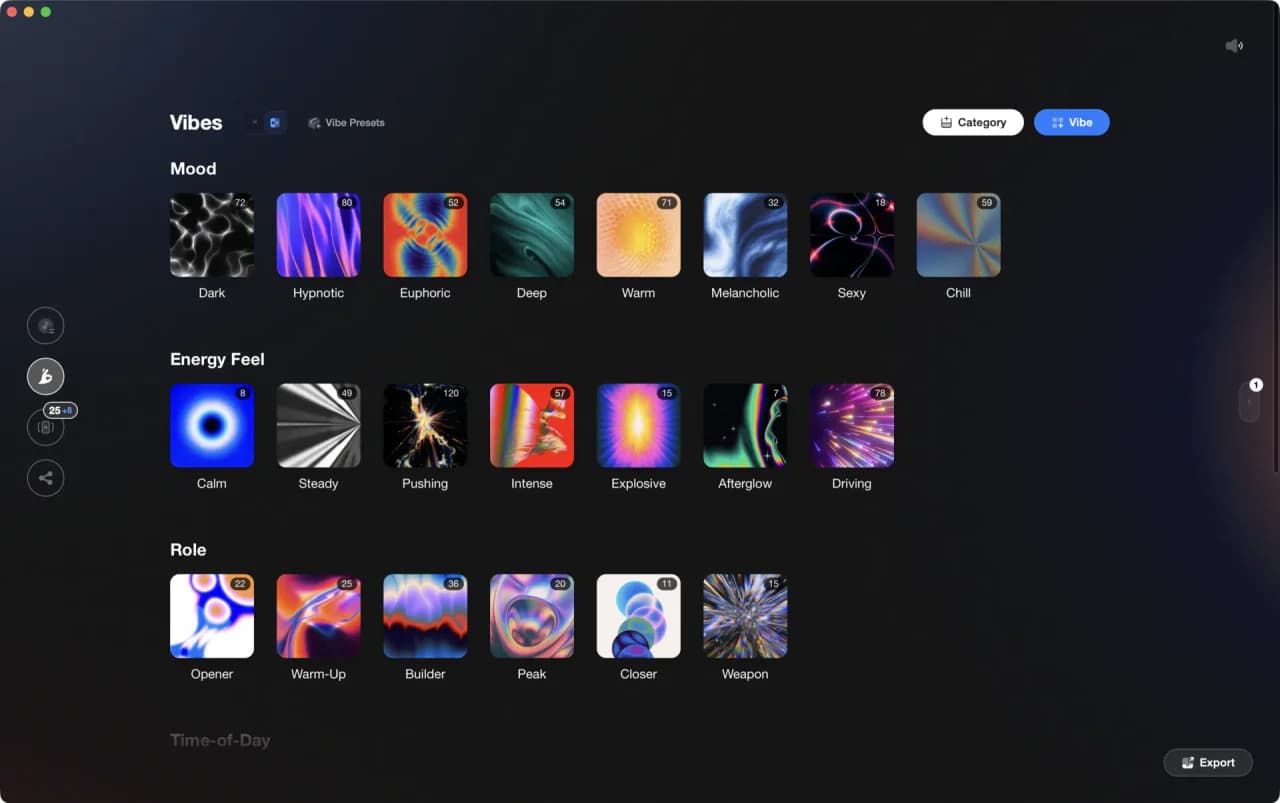
Tutorials Using Pioneer DJ DDJ-1000
DJ Starter Equipment: What to Buy First (and What to Skip)
Best DJ Controller: How to Choose
Beginner DJ Equipment: What You Need
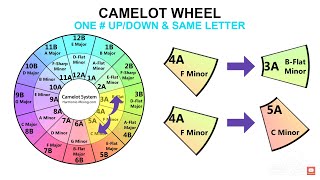
DJ Key Wheel Decision Framework: Four Safe Moves and Advanced Jumps
Portable DJ Controller Buying Guide
DJ Decks: 2 vs 4 Channel Buying Guide
DJ Techniques Using This Gear
See how DJs and live performers incorporate Pioneer DJ DDJ-1000 into their workflow.

Frequently Asked Questions

Hey, it's Ben Modigell 👋
I DJ and produce as so I so: downtempo, minimal, dub house, tech house, and techno (releases on Spotify and SoundCloud, links above). Everything I write here comes from my own gigs, studio sessions, and library cleanups: the rules I follow, the failure modes I have actually hit, and the workflow I use when nobody is watching. If a technique did not earn its place in my own sets, it does not make it into a tutorial.