
Pioneer CDJ-1000
·Pioneer DJA discontinued professional CD-based DJ player that helped define the modern club-standard jog-wheel workflow.
The Pioneer CDJ-1000 is a landmark DJ media player for DJs who want classic club feel, hands-on cueing, and a workflow built around actual discs. If you are considering a Pioneer CDJ-1000 today, the main question is not whether it was influential. It was. The real question is whether this older deck still fits your setup, music library, and reliability needs.
CDJ-1000 Overview
The Pioneer CDJ-1000 is a discontinued professional CD deck that helped set the template for modern club players. It introduced a vinyl-style touch jog concept that made CD mixing feel more physical and more intuitive than earlier rack or tabletop players.
Pioneer positioned the original CDJ-1000 as a digital turntable, and that description still makes sense. The jog wheel, cue layout, pitch fader, looping tools, and visual feedback all push you toward manual technique rather than sync-first convenience.
That is why the Pioneer CDJ-1000 still matters. Even now, many experienced DJs see it as one of the key links between vinyl habits and the later USB-driven club workflow used on players such as the Pioneer DJ XDJ-1000 and Pioneer DJ CDJ-2000.
According to the Pioneer DJ official product page, the original unit was built as a CD-based digital turntable with touch control, anti-vibration design, and creative cueing features. Later generations, especially the MK3, expanded the concept with MP3 support and SD-based memory functions.
Key Features
The Pioneer CDJ-1000 stands out because its core features still feel logical. The deck gives you direct jog interaction, reliable pitch control, stored cues and loops, and a layout that later became familiar across club booths.
- Touch-sensitive vinyl-style jog wheel for cueing, nudging, and scratching
- Master Tempo and multiple pitch ranges for manual beatmatching
- Cue and loop memory functions for faster track preparation
- Shock-proof memory and anti-vibration construction
- Digital output plus analog RCA output for mixer integration
The jog wheel is the headline feature. It is the reason the CDJ-1000 became a reference point for so many DJs moving off vinyl. You could stop playback with your fingers, scratch, and cue more naturally than on earlier CD players.
The layout also aged well. Even though the screen and media options are old by current standards, the physical control logic still translates to newer Pioneer players. That makes the deck useful as a technique tool, not just a nostalgia piece.
In practice, what matters in a live booth is reliability, fast recovery, and low-light readability, not marketing extras. This is where the CDJ-1000 still earns respect. Big transport controls, clear pitch handling, and a direct jog feel matter more in practice than long spec sheets.
Technical Specifications
The CDJ-1000 specs are straightforward by current standards. The important point is that the hardware was built for professional booth use, with solid dimensions, proper outputs, and audio performance that was strong for its era.
| Specification | Details |
|---|---|
| Dimensions | 320 x 370 x 105 mm |
| Weight | 4.2 kg |
| Media | CD, CD-R, CD-RW |
| Audio outputs | Stereo RCA, coaxial digital out |
| Control output | 3.5 mm control terminal |
| Power | AC 120 V, 60 Hz, 33 W |
| Frequency response | 4 Hz to 20 kHz |
| S/N ratio | 115 dB or more |
| THD | 0.006% |
Specs vary slightly across revisions, and that matters here. The original Pioneer CDJ-1000 is older and more limited, while the CDJ-1000MK3 added MP3 playback from disc and SD memory support for stored data. If you are shopping used, confirm the exact revision before buying.
The Sweetwater CDJ-1000MK3 product page also confirms that the MK3 is no longer available new and is left online for reference only. That is useful because it anchors the model's former US pricing and discontinued status.
Who Is This For
The Pioneer CDJ-1000 makes the most sense for intermediate DJs, collectors, and anyone who wants to practice manual fundamentals on a classic layout. It is less suitable for modern DJs who expect USB sticks, waveform browsing, or rekordbox-style preparation.
This deck suits three main groups. First, vinyl DJs who want a familiar touch response without moving fully into software controllers. Second, older CD-based DJs with an existing disc library. Third, enthusiasts building a legacy booth around mixers like the Pioneer DJ DJM-800 or similar era gear.
It is not ideal for beginners who want a friction-free start. Burning discs, managing older media, and checking hardware health all add complexity. A newer standalone player or controller is usually the smarter first buy.
It is also not the right choice for touring professionals who need fast browsing, modern file support, and easy venue compatibility. In that role, something like a modern XDJ setup guide is simply more practical.
In Practice
In use, the Pioneer CDJ-1000 still feels focused and disciplined. You load a disc, set your cue, ride the pitch, and work with your ears. That process slows you down in a good way if your goal is to sharpen timing and phrasing.
The jog response remains the strongest reason to own one. It is tactile, predictable, and easy to read under pressure. For many DJs, that physical feedback is what made the deck iconic in the first place.
The tradeoff is speed. By 2026 standards, browsing and media management feel dated. The original model is CD only, and even the MK3 stops far short of modern USB-based players. There is no contemporary library convenience here.
Reliability is now the bigger concern than usability. Lasers wear out. Buttons get tired. Jog tops and displays can show age. On the used market, condition matters more than spec sheet differences between units that are now well over a decade old.
From a venue perspective, portability is decent for a full-size deck, but low-light usability depends on the condition of the screen and controls. In underground rooms, practical reliability always beats legacy prestige. If a player has not been serviced, its history matters more than its reputation.
Pros and Cons
The Pioneer CDJ-1000 still has clear strengths, but its weaknesses are equally clear now. That balance is what makes it a smart niche buy rather than a universal recommendation.
Pros
- Excellent jog-wheel feel.
- Strong manual beatmatching tool.
- Historic club-standard layout.
- Solid build for its era.
- Easy to understand without software.
Cons
- -Discontinued.
- -Mostly used-market only.
- -No USB workflow on the original model.
- -Aging components can need repair.
- -Less practical than current standalone players.
The biggest practical advantage is skill development. The biggest practical drawback is ecosystem age. In other words, it teaches well, but it does not integrate well with how most DJs prepare and perform now.
Price and Value
The Pioneer CDJ-1000 is no longer a new-retail product, so value depends almost entirely on used pricing and condition. As of April 21, 2026, individual used units commonly appear around the low-to-mid hundreds in USD, EUR, and GBP, while clean MK3 units often list higher.
The archived Sweetwater CDJ-1000MK3 product page still shows a former US selling price of $1,499.95 for the MK3. Current used-market references from Reverb used market listings and eBay used listings show how far the market has shifted.
That makes the CDJ-1000 interesting as a value buy for practice or collection, but only if the unit is healthy. A cheap player with a weak laser or failing buttons is not actually cheap once repair time and parts enter the picture.
If you want a functional home setup with modern media support, newer used players often make more sense per dollar. If you specifically want the history, the tactile feel, and the discipline of CD-based mixing, the Pioneer CDJ-1000 can still be worth it.
Alternatives
If the Pioneer CDJ-1000 feels too old for your workflow, there are better choices. The right alternative depends on whether you want similar feel, easier media handling, or a more current booth standard.
| Product | Price | Key Difference |
|---|---|---|
| Pioneer DJ CDJ-1000MK3 | Used around $400 | Best version of the CDJ-1000 line with MP3 CD support |
| Pioneer DJ XDJ-1000 | Used market varies | USB-based workflow with touchscreen and no CD drive |
| Pioneer DJ CDJ-2000 | Used around $700 | Closer to modern club expectations with USB support |
The MK3 is the obvious step if you want the same family with fewer limitations. The XDJ-1000 is better if you want to stay in the Pioneer ecosystem but leave discs behind. The CDJ-2000 is the better bridge to current club booths.
Bottom Line
The Pioneer CDJ-1000 is still important because it changed how digital DJing felt. It made CD playback tactile, expressive, and close enough to vinyl to win over working DJs. That legacy is real.
As a current purchase, though, it is a specialist option. Buy it for feel, history, and technique. Do not buy it because you think it will match the convenience of a modern standalone deck.
If you find a clean, tested unit at the right price, the Pioneer CDJ-1000 can still be deeply satisfying. If you want the same brand language with fewer compromises, start with the newer players linked above.
The visual way to organize your DJ library
Tag tracks by vibe. See everything at once. Export to rekordbox, Serato, Traktor or Engine DJ.
14-day free trial. Full access, no strings attached.
or see how it works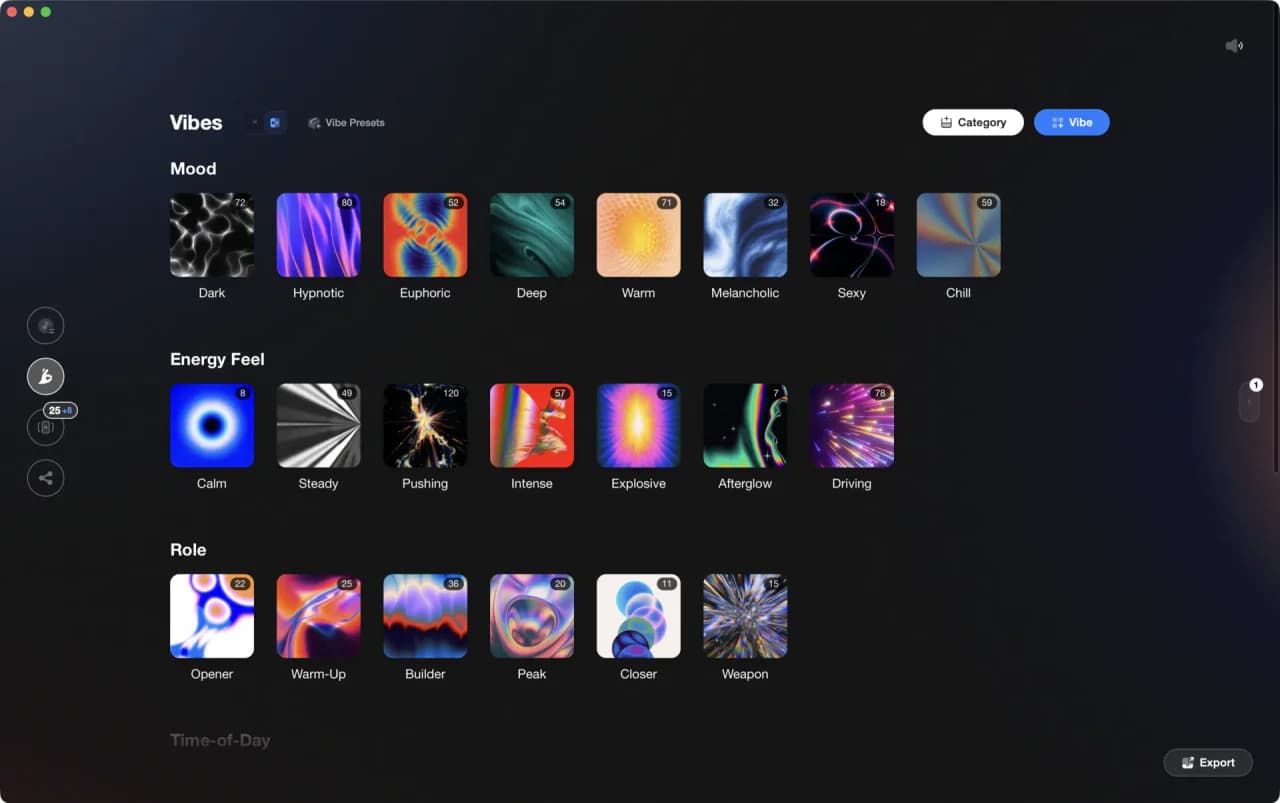
Tutorials Using Pioneer CDJ-1000
DJ Techniques Using This Gear
See how DJs and live performers incorporate Pioneer CDJ-1000 into their workflow.
Frequently Asked Questions

Hey, it's Ben Modigell 👋
I DJ and produce as so I so: downtempo, minimal, dub house, tech house, and techno (releases on Spotify and SoundCloud, links above). Everything I write here comes from my own gigs, studio sessions, and library cleanups: the rules I follow, the failure modes I have actually hit, and the workflow I use when nobody is watching. If a technique did not earn its place in my own sets, it does not make it into a tutorial.