
VirtualDJ 7
·Atomix ProductionsA legacy DJ software platform for audio and video mixing, controller mapping, and DVS playback on Windows and Mac.
Professional DJ Software
DJ software is the foundation of digital DJing. Modern platforms offer stems separation, live remixing, and deep integration with controllers and external gear for hybrid performance setups.
Quick Answer
Product Overview
Looking for the current version rather than the legacy build? See our VirtualDJ (current) review for today's stems, video, and licensing. This page covers VirtualDJ 7 specifically.
VirtualDJ 7 is a discontinued version of Atomix Productions' DJ software, released in 2010 and later replaced under the unified modern VirtualDJ line. It combined audio mixing, video mixing, controller support, and DVS-style timecode control in one package.
That mattered at the time because many competitors split those features across separate products or paid add-ons. VirtualDJ 7 aimed to be an all-in-one performance tool for laptop DJs who needed flexibility more than brand prestige.
The current VirtualDJ legacy products page makes the status clear: older editions were deprecated in 2014 and folded into the broader VirtualDJ platform. If you own hardware that once shipped with VirtualDJ 7 LE, Atomix says those controllers still work natively in modern VirtualDJ versions.
For a buyer in 2026, VirtualDJ 7 is not a normal software recommendation. It is more of a legacy compatibility option, a reference point, or a migration problem you may still need to solve.
VirtualDJ 7 Features
VirtualDJ 7 stands out because it bundled core DJ tasks, video playback, and timecode support in one application. According to the VirtualDJ 7 user guide, the software included default 4-deck and 6-deck skins, video transitions, effects, linked video-to-audio playback, and timecode input modes.
In practice, that meant one laptop could handle club mixing, bar video sets, karaoke-style visual work, or controller-based home use. For DJs working across mixed venues, that flexibility was a real selling point.
The software also supported routing for single or dual timecode control, line inputs, and microphone input through the audio setup section. That gave VirtualDJ 7 more reach than entry-level DJ apps that focused only on controller playback.
Its interface system was another strength. Skins, mappings, and layout choices made it easier to adapt the software to different workflows, which helps explain why some DJs stayed with it long after newer releases appeared.
- Audio and video mixing in one platform
- Single and dual timecode support for DVS setups
- 4-deck and 6-deck default skins
- Controller mapping and customization options
- Linked video support for audio files
If that combination still sounds appealing, the more realistic move is to compare it with VirtualDJ 2026, not to hunt for an old build unless your hardware forces the issue.
Technical Specifications
VirtualDJ 7 is software, so there are no physical dimensions or weight figures to report. The important specs are operating system support, RAM needs, audio routing, and video capability.
| Specification | Details |
|---|---|
| Release year | 2010 |
| Status | Discontinued legacy product |
| Supported systems at launch | Windows XP, Vista, Windows 7, Mac OS X 10.5 |
| Minimum RAM | 1GB |
| Video mixing requirement | 2GB RAM and dedicated ATI or NVIDIA graphics with dual-screen output |
| Audio routing | Single timecode, dual timecode, line inputs, microphone |
| Included layouts | 4-deck and 6-deck skins included by default |
| Video tools | Video crossfader, transitions, effects, linked video files, fullscreen output |
The VirtualDJ 7 getting started guide lists Windows XP, Vista, Windows 7, and Mac OS X 10.5 era support, with 1GB RAM minimum and higher requirements for video mixing. That tells you exactly where this software belongs: older machines, older workflows, and older driver environments.
If you are on a modern laptop, these specs are not a benefit. They are a warning that VirtualDJ 7 was built for an entirely different operating system generation.
Who Is This For
VirtualDJ 7 makes sense for DJs who need legacy compatibility, not for most new buyers. The best fit is someone with older hardware, an old Windows install, or archived workflows that depend on version 7 behavior.
It can still work for venue installs, backup machines, and hobby setups that never moved on from the Windows 7 era. It also has some value for users trying to recover old database behavior, cue workflows, or video-linking habits from legacy libraries.
It is a poor fit for beginners starting from zero today. A new DJ is better served by current software with active updates, current controller support, and modern security expectations.
Professionals should only keep VirtualDJ 7 in the conversation if a venue, controller, or archived setup depends on it. Otherwise, a current platform is the safer decision for paid work.
In Practice
VirtualDJ 7 was built around versatility. The software could move from simple two-channel controller mixing to video playback and timecode control without forcing you into a separate ecosystem.
That is still its main appeal now. If your setup is unusual, old, or patched together from mixed hardware, VirtualDJ 7 often feels more flexible than brand-locked DJ software from the same era.
What holds up in a dark, busy booth is reliability and quick, readable control, not a long spec sheet. That mindset helps explain why some DJs stayed loyal to VirtualDJ for so long: practical adaptability often mattered more than image.
Still, legacy software brings friction. Driver issues, older audio setups, and unsupported operating systems can quickly turn a cheap solution into a fragile one.
This is where the choice becomes clear. If you are preserving an old working rig, VirtualDJ 7 can still be useful. If you are building a rig from scratch, it is hard to justify against modern options like Serato DJ Pro alternatives or a current DJ software buying guide.
Pros and Cons
VirtualDJ 7 was strong for its time because it mixed breadth, hardware flexibility, and video features in one package. Its weaknesses in 2026 are mostly about age, support, and platform risk.
Pros
- Broad feature set for a 2010 DJ platform.
- Video mixing and DVS support in one app.
- Flexible controller and skin ecosystem.
- Useful for legacy hardware and archived workflows.
Cons
- -Discontinued and unsupported as a current product line.
- -No clear public pricing for version 7 itself.
- -Old OS requirements create security and compatibility problems.
- -Modern DJ tools now offer better support and cleaner workflows.
Price and Value
VirtualDJ 7 does not have a clearly published current standalone price as of April 21, 2026, because it is a discontinued legacy product. Atomix now points buyers to current VirtualDJ licensing instead of version-specific legacy sales.
The current VirtualDJ pricing and licenses page lists modern Home access at $4 per month and VDJ PRO at $19 per month, with the company also referencing one-time Pro ownership elsewhere in its pricing materials. That helps frame the decision: if you are paying anything significant to keep version 7 alive, you should compare that cost with moving to the current release.
So is VirtualDJ 7 worth it now? Only if the real value is compatibility. If you need old controller behavior or an old OS environment, it can still save time. For everyone else, modern VirtualDJ offers better value per dollar.
Alternatives
If you are considering VirtualDJ 7 today, the sensible comparison is not just other legacy software. It is whether a current platform solves the same job with less risk.
| Product | Price | Key Difference |
|---|---|---|
| VirtualDJ 2026 | $19/mo | Current support, broader modern compatibility, newer performance features |
| Serato DJ Pro | Price varies | Stronger mainstream club positioning, but tighter hardware ecosystem |
| rekordbox DJ | Price varies | Better fit for Pioneer DJ export and club preparation workflows |
If your priority is controller flexibility, modern VirtualDJ is still the closest descendant. If your priority is club-standard preparation, rekordbox workflow tools may be the cleaner path.
Choose it if
- You specifically need the legacy version 7 for an old machine or a particular archived setup, and you understand it is unsupported.
Skip it if
- -You are on Windows 11 or modern macOS, or you want updates and support.
- -Use the current VirtualDJ, which is also free for home use.
Bottom Line
VirtualDJ 7 was a capable and unusually flexible DJ platform in its day. It offered audio mixing, video support, controller mapping, and timecode options in one application, which gave it real practical value when laptop DJing was still finding its standard shape.
In 2026, though, VirtualDJ 7 is mainly a legacy tool. Its best use is preserving older rigs, recovering old workflows, or supporting controllers tied to the version 7 era.
If that is your situation, VirtualDJ 7 can still be relevant. If not, the smarter move is to shift to VirtualDJ 2026 or compare today's broader DJ software options.
Continue readingNext: the current VirtualDJ reviewWhat today's VirtualDJ adds over version 7, and its licensing.Organize for Live Performance
Tag tracks by set position, energy level, and key. When you're performing live, every second counts, find what you need instantly.
14-day free trial. Full access, no strings attached.
or see how it works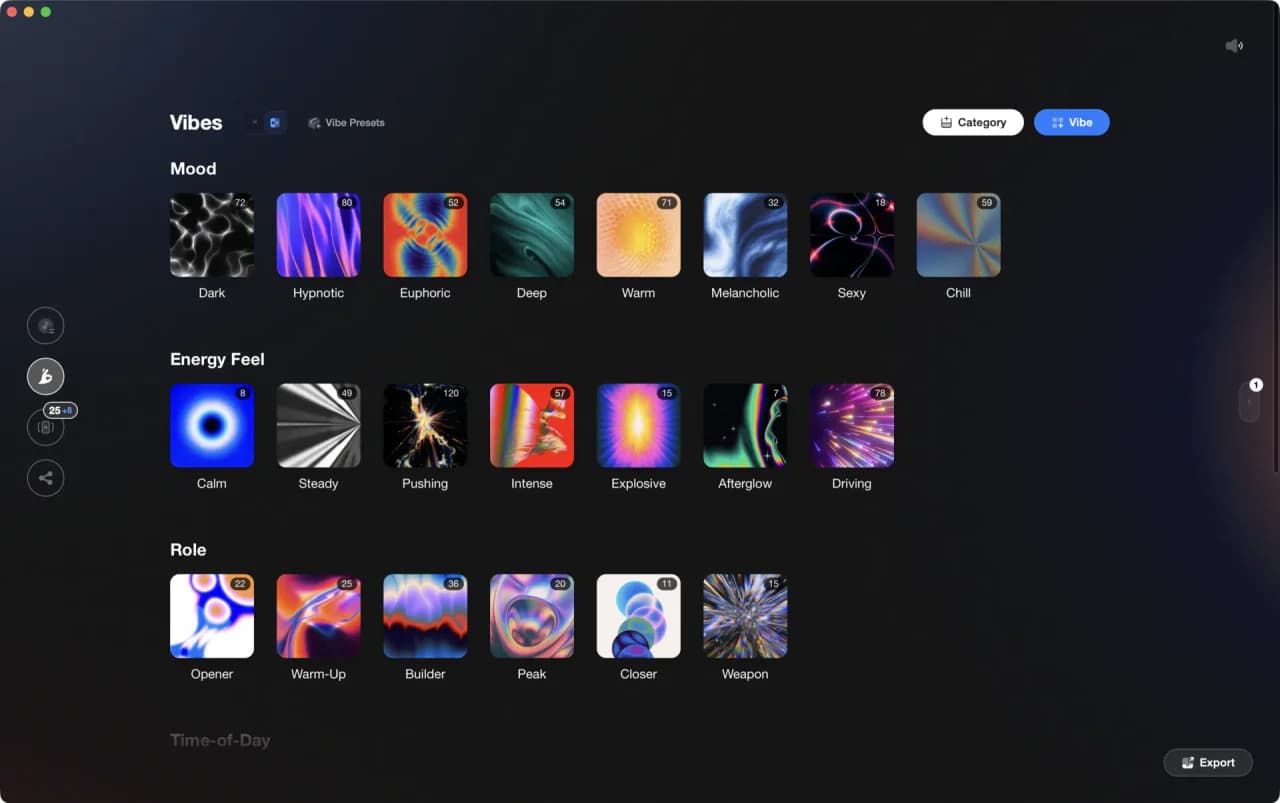
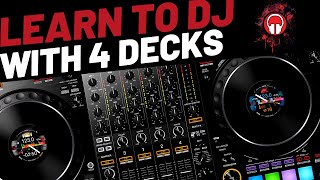
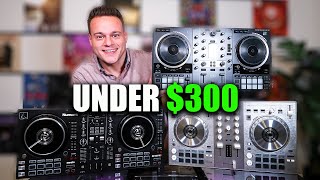
Tutorials Using VirtualDJ 7

DJ Techniques Using This Gear
See how DJs and live performers incorporate VirtualDJ 7 into their workflow.
Frequently Asked Questions

Hey, it's Ben Modigell 👋
I DJ and produce as so I so: downtempo, minimal, dub house, tech house, and techno (releases on Spotify and SoundCloud, links above). Everything I write here comes from my own gigs, studio sessions, and library cleanups: the rules I follow, the failure modes I have actually hit, and the workflow I use when nobody is watching. If a technique did not earn its place in my own sets, it does not make it into a tutorial.