
Serato DJ Pro
·SeratoProfessional DJ software for mixing, performance, library management, recording, and hardware-integrated club workflows.

Professional DJ Software
DJ software is the foundation of digital DJing. Modern platforms offer stems separation, live remixing, and deep integration with controllers and external gear for hybrid performance setups.
Serato DJ Pro is for DJs who want reliable performance, broad hardware support, and a workflow that still makes sense under pressure. If you play clubs, bars, weddings, or open-format sets, Serato DJ Pro stays near the top of the list because it balances speed, stability, and familiar layout better than most rivals.
Serato DJ Pro Overview
Serato DJ Pro is professional DJ software for macOS and Windows, built around hardware integration, performance tools, and fast library control. It works best if you need dependable club workflow, scratch-friendly response, and support for a wide range of controllers and mixers.
The current product is still sold directly by Serato for $279 USD as a perpetual license or $11.99 per month by subscription. Serato also sells a Suite tier at $449 USD or $14.99 per month, which adds DVS, Video, Flip, Play, Pitch ’n Time DJ, Club Kit, and expanded FX. According to Serato's official product and pricing pages, DJ Pro supports more than 100 pieces of hardware and sits above the free DJ Lite tier.
That matters because Serato is not just software. It is an ecosystem. In practice, your experience depends on the controller, mixer, or DVS setup you pair with it, which is why DJs often compare it with rekordbox DJ, VirtualDJ, or djay Pro based on hardware habits as much as features.
As of April 21, 2026, Serato's main site lists DJ Pro 4.0.6 in the latest downloads area, showing that the 4.x generation is the current line. That version family builds on the large 4.0 library redesign, with new crate management tools, ratings, color organization, and faster browsing. If you are returning after a few years away, the big story is not a new deck layout. It is a better library and stronger stems workflow.
Serato DJ Pro Features
Serato DJ Pro stands out because its core features are built for live performance first. You get pro sync, stems, recording, key analysis, MIDI support, Beat Jump, Slip Mode, Quantize, Slicer, eight cue points per track, and a sampler that can hold 32 samples across four banks.
The software also keeps the visual side clear. Colored waveforms, deck status, cue markers, BPM info, and crate organization stay readable even when you are moving fast. Serato has never been the most experimental DJ platform, but that restraint is part of the appeal. The layout usually stays out of your way.
Stems is one of the most important reasons to choose Serato DJ Pro today. On the official product page, Serato describes one-click isolation of vocals, melody, bass, and drums, plus Stems Pad FX for more creative transitions. For open-format DJs, that turns a standard transition tool into something closer to live remixing without forcing a full production workflow.
Practice Mode is another useful inclusion. You can mix without connected hardware, which helps if you want to prep cue points on a laptop, work through a set on the train, or test transitions before a show. It is not the same as playing on full-size jogs or a battle mixer, but it lowers the barrier to practice.
Streaming support is broader than many DJs remember. Current Serato materials highlight Spotify Premium integration, alongside the long-running role of streaming inside modern DJ prep. That makes Serato DJ Pro more practical for discovery and backup crates, though most working DJs will still want local files for serious gigs.
Technical Specs
Serato DJ Pro is software, so the key specifications are system support, deck count, feature limits, and hardware compatibility rather than physical measurements. The first thing to know is that official support is split between general software requirements and a separate operating system compatibility chart.
| Specification | Details |
|---|---|
| Product type | Professional DJ software for macOS and Windows |
| Current license price | $279 perpetual or $11.99/month |
| Suite price | $449 perpetual or $14.99/month |
| Supported hardware | 100+ officially supported devices |
| Deck control | 2 or 4 decks depending on hardware and workflow |
| Cue points | Up to 8 per track |
| Sampler | 32 samples across 4 banks |
| Minimum storage reference | 5 GB free space |
| Minimum RAM reference | 4 GB |
| Activation | Internet required for installation and activation |
Official support documentation says typical setups can run on recommended systems, while demanding tasks such as low-latency scratching, live streaming, three or more decks, or Serato Video need stronger machines. In other words, the minimum spec is only the starting point. Serious gig use benefits from headroom.
One practical limitation is that Serato DJ Pro works best with certified hardware. Thomann's product page states clearly that the software is usable only with Serato DJ compatible hardware, and Serato's own hardware pages explain which units unlock DJ Pro for free and which require paid upgrades like DVS. That is great when you are in the ecosystem. It is less flexible if you like unusual routing or unsupported hardware.
Who Is This For
Serato DJ Pro is best for DJs who value dependable performance, familiar workflow, and strong hardware integration. It suits beginners who want room to grow, intermediates who play regular gigs, and professionals who need low-friction performance software.
For beginners, Serato DJ Pro makes sense if you already own compatible hardware or know you prefer a performance-first layout over production-style extras. DJ Lite covers the basics, but Pro gives you recording, full cue and sampler access, key tools, and more serious performance features.
For mobile and open-format DJs, the value is easier to justify. Good library visibility, reliable deck behavior, flexible cueing, and broad controller support help during long mixed-genre sets where speed matters more than novelty.
For scratch DJs and club users, Serato DJ Pro still carries weight because of its history with battle mixers, DVS culture, and predictable on-stage behavior. If you care about turntable feel and performance trust, that reputation is still part of the product.
It is less ideal if you want deep custom audio routing, unusual hybrid setups, or a platform centered on export-to-CDJ prep. In that case, rekordbox workflow tools or a more customizable platform like VirtualDJ software may fit better.
In Practice
In practice, Serato DJ Pro feels fast because the software puts the right information in obvious places. That is the reason many DJs stay with it for years. You do not spend much time decoding the interface.
In practice, what matters in a live booth is reliability, fast recovery, and low-light readability, not marketing extras. Serato's interface usually does well here. Crates, waveforms, and deck states are easy to parse when the booth is dark and the set is moving.
This is where Serato DJ Pro earns its reputation. It does not always add headline features first, but it tends to protect muscle memory. For working DJs, that is often the better trade.
The current 4.x generation improves one of the older weak points: library management. The new crate search, sort tools, ratings, and crate metadata help if you manage large collections or mix streamed and local tracks in the same prep flow. MusicRadar and other coverage of the 4.0 release focused almost entirely on this redesign, which tells you where Serato saw the biggest need.
There are still tradeoffs. Some users prefer the deeper routing and customization of rival platforms. Others dislike that premium functions can end up split across Pro, Suite, hardware unlocks, and expansions. Sweetwater user reviews are mixed enough to be useful here: some praise the workflow, while others complain about crashes or feature limitations. That spread suggests the software is strong, but not immune to setup-specific issues.
Pros and Cons
Serato DJ Pro is easy to recommend when reliability, ecosystem support, and performance workflow are your main priorities. Its weak points show up when you want broader flexibility than the Serato ecosystem is designed to provide.
Pros
- Strong hardware support across controllers, mixers, and DVS setups.
- Clear interface with fast learning curve.
- Useful stems tools.
- Recording included.
- Good reputation for club and scratch workflows.
- Perpetual license still available.
Cons
- -Best experience often depends on certified hardware.
- -Suite and expansion structure can raise total cost.
- -Some rivals offer deeper routing or customization.
- -Minimum specs are not enough for every serious use case.
Price and Value
Serato DJ Pro sits in the professional tier because the current one-time license is $279 in the US, Thomann lists it at €249, and Gear4music shows a US price around $263.50 before VAT in one recent listing. That is not cheap, but it is still within reach for regular gigging DJs.
The main value question is simple: do you need the Serato ecosystem, or just DJ software? If you already own hardware that unlocks or strongly favors Serato, DJ Pro is easier to justify. If not, the cost can feel higher because you are buying into a workflow as much as a feature set.
The subscription option lowers the entry cost, but many DJs still prefer the perpetual license for long-term use. That is especially true for mobile DJs and residents who rely on the same setup every week. Over time, the buy-once model often makes more sense.
If you need DVS, Video, Pitch ’n Time DJ, or advanced FX, the Suite price changes the equation. At that point, compare total cost against your real needs, not marketing language. Some DJs will get better value from plain DJ Pro plus compatible hardware. Others should jump straight to Suite or look at alternatives.
Alternatives
The best Serato DJ Pro alternative depends on how you play. Most comparisons come down to club ecosystem, routing flexibility, or streaming-first workflow.
| Product | Price | Key Difference |
|---|---|---|
| rekordbox DJ | Varies | Best fit for Pioneer DJ and AlphaTheta club prep workflows |
| VirtualDJ | Varies | More flexible customization and routing for unusual setups |
| djay Pro | Varies | Strong modern interface and streaming-led workflow |
If your goal is CDJ-focused export prep, start with rekordbox DJ. If you want broad compatibility and deeper customization, VirtualDJ is the obvious counterpoint. If you want a more modern, streaming-friendly interface, djay Pro is worth a close look.
Bottom Line
Serato DJ Pro remains one of the safest software choices for performance-focused DJs. It is not the cheapest route, and it is not the most open-ended platform, but it still solves the main job well: load tracks fast, organize a working library, and perform with confidence.
If your setup already points toward Serato, the decision is easy. If you are starting from zero, compare the full ecosystem cost before buying. Either way, Serato DJ Pro still earns its place because it focuses on what matters in real use: stable workflow, readable performance view, and broad support for hardware people actually gig with.
Organize for Live Performance
Tag tracks by set position, energy level, and key. When you're performing live, every second counts, find what you need instantly.
14-day free trial. Full access, no strings attached.
or see how it works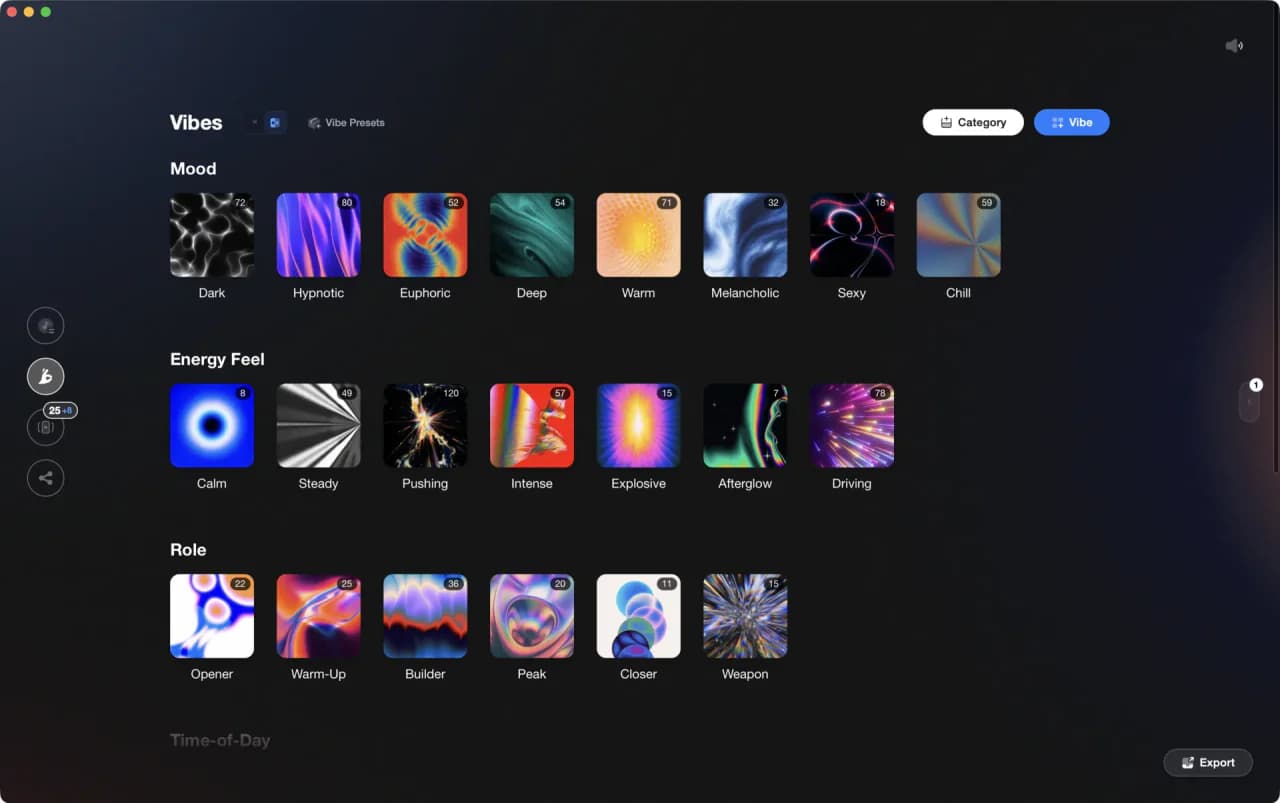
Tutorials Using Serato DJ Pro





DJ Techniques Using This Gear
See how DJs and live performers incorporate Serato DJ Pro into their workflow.


Frequently Asked Questions

Hey, it's Ben Modigell 👋
I DJ and produce as so I so: downtempo, minimal, dub house, tech house, and techno (releases on Spotify and SoundCloud, links above). Everything I write here comes from my own gigs, studio sessions, and library cleanups: the rules I follow, the failure modes I have actually hit, and the workflow I use when nobody is watching. If a technique did not earn its place in my own sets, it does not make it into a tutorial.