
Pioneer DJ DDJ-FLX4
·Pioneer DJA compact 2-channel DJ controller with built-in audio interface, USB-C connectivity, and beginner-friendly smart mixing features.
Hands-On Control
DJ controllers give you tactile control over your software. From basic mixing to advanced performance features, the right controller shapes your workflow and creative possibilities.
The Pioneer DJ DDJ-FLX4 is a compact 2-channel controller aimed at new DJs who want a familiar club-style layout without spending pro-level money. It solves a simple problem well: you can learn core mixing skills on hardware that feels close enough to the wider Pioneer DJ ecosystem, while still staying easy to carry and easy to power.
Product Overview
The Pioneer DJ DDJ-FLX4 is best for beginners, casual home users, and early gigging DJs who need a low-cost controller that still teaches useful habits. It stands out because it mixes a club-inspired layout with modern conveniences like USB-C, multi-app support, Bluetooth for mobile use, and beginner-focused smart features.
Pioneer DJ introduced the DDJ-FLX4 in November 2022 as the successor to the DDJ-400. The move was not just cosmetic. The new model added broader software compatibility, mobile-device support, Bluetooth connectivity with rekordbox on iOS and Android, and features like Smart Fader and Smart CFX that reduce the learning curve.
That matters if you are trying to decide whether this controller is still relevant in 2026. It is. The platform is still current, the model is still on sale from major retailers, and Pioneer DJ added Traktor Play support in late 2025, which extends its life instead of locking it into one software lane.
In practical terms, the DDJ-FLX4 sits in the sweet spot between toy-like entry gear and more serious controllers such as the Pioneer DJ DDJ-FLX6-GT or AlphaTheta OMNIS-DUO. It is small enough for a bedroom desk, but capable enough for practice sessions, livestreams, and low-pressure bar gigs.
DDJ-FLX4 Features
The DDJ-FLX4 focuses on workflow more than headline specs. Its strongest features make setup faster, learning easier, and casual performance less stressful, which is exactly what this category should do.
The main hook is the club-style layout. You get two jog wheels, a central mixer, performance pads, EQ, filters, loop controls, and familiar transport placement. If your long-term goal is to move toward CDJs or larger Pioneer DJ controllers, this layout helps the transition.
Then there are the smart tools. Smart Fader helps smooth out volume, BPM, and bass differences between tracks, while Smart CFX puts layered effects on one control. These features are useful early on, especially when your phrasing and EQ control are still rough.
The software support is also stronger than many rivals in this price range. The controller works with rekordbox and Serato DJ Lite for free, later gained official djay support, and now also supports Traktor Play. That gives you room to experiment without replacing hardware too soon.
Connectivity is basic but smart. Two USB-C ports let one handle data and one handle extra power. You also get Bluetooth Low Energy for mobile pairing with rekordbox on iOS and Android. That is not the lowest-latency option, but it does make a lightweight phone or tablet setup possible.
One underrated feature is USB audio output for microphone sound. If you want to talk over a stream or record a simple live set with mic audio included, the controller keeps the setup cleaner than many older beginner units.
- Club-style 2-deck layout
- Smart Fader and Smart CFX
- USB-C with bus power
- Built-in audio interface
- rekordbox, Serato DJ Lite, djay, and Traktor Play support
- Bluetooth mobile connection option
Technical Specs
The DDJ-FLX4 specs are modest but well judged for its role. You are getting enough audio quality and control depth for serious practice, but not the connectivity or hardware headroom expected in a professional booth.
| Specification | Details |
|---|---|
| Channels | 2 |
| Dimensions | 482 x 272.8 x 59.2 mm |
| Weight | 2.1 kg |
| Inputs | 1 x 1/4-inch TS mic |
| Outputs | RCA master, 3.5 mm headphones |
| USB | 2 x USB-C |
| Wireless | Bluetooth Low Energy |
| Sound card | 16-bit/24-bit, 44.1 kHz/48 kHz |
| Frequency response | 20 Hz to 20 kHz |
| S/N ratio | 103 dB |
| THD | < 0.005% USB |
| Power | 5 V bus power or 9 V, 3 A adapter |
The weak point is output connectivity. There are no balanced XLR or TRS master outs, only RCA. For home speakers and small party systems that is fine. For longer cable runs, louder rooms, or less forgiving club installs, it is a real limitation.
Who Is This For
This controller is for beginners first. It also works well for returning DJs, casual streamers, and mobile users who value portability more than full-size controls or pro-level outputs.
If you are learning beatmatching, phrasing, EQ transitions, and cue control, the DDJ-FLX4 gives you the right foundation. The layout is familiar, the software options are broad, and the price is low enough that mistakes do not feel expensive.
It also suits apartment setups and travel-heavy users. At 2.1 kg, it is easy to move between home, practice spaces, and informal gigs. Pair it with a laptop stand and a compact speaker setup, and you have a capable starter rig.
It is less ideal if you already know you need balanced outputs, four channels, external inputs, or hardware that better mirrors a full booth workflow. In that case, a step up like the Pioneer DJ DDJ-FLX10 or a standalone system may save you an upgrade later.
In Practice
In use, the DDJ-FLX4 feels quick and approachable. Setup is simple, driver-free on computer, and the bus-powered design removes one more cable from your bag. That makes a difference when you are practicing often and do not want friction every time you start.
The jogs are small, but usable. They are good enough for cueing, nudging, and basic performance work. You are not buying this for advanced scratch performance, and the controller does not pretend otherwise.
The mixer section is where the value shows. The layout teaches useful habits, and the EQ and filter workflow is easy to grasp. Smart Fader can help complete beginners get smoother transitions faster, but most DJs should treat it as training wheels, not a permanent technique.
What holds up in a dark, busy booth is reliability and quick, readable control, not a long spec sheet. The DDJ-FLX4 gets the basics right for home use and smaller rooms, but its RCA-only master out is the clear ceiling once you move into rougher venue conditions.
The built-in audio interface is practical. You can connect directly to speakers or an amp, cue in headphones, and record internally through the same USB connection. For livestreams and voiceover use, the mic routing is unusually convenient at this price.
The result is a controller that feels honest. It is not trying to be a pro booth in miniature. It is trying to get you mixing quickly on a workflow that can still grow with you.
Pros and Cons
The strengths of the DDJ-FLX4 are clear: ease of use, portability, software flexibility, and a layout that makes sense. Its trade-offs are equally clear: limited outputs, smaller controls, and fewer reasons to keep it once your gigs get more demanding.
Pros
- Portable size, USB-C power, useful smart features, broad software support, and a strong learning layout.
Cons
- -RCA-only master output, no standalone mode, compact controls, and limited room for advanced routing.
That balance is why the controller remains popular. It does not overspec the beginner tier. It focuses on the few things that matter most.
Price and Value
At current verified pricing, the DDJ-FLX4 sits around $329 in the US, about €329 in mainland Europe, and roughly £299 in the UK. That places it firmly in the mid-range entry segment, where buyers expect real capability rather than disposable starter gear.
Value depends on how long you expect to keep it. For learning, home practice, and first gigs, it is easy to justify. The software flexibility alone helps, because you are not forced into one path on day one.
Used prices seem to land not far below new for clean units, with recent marketplace examples around the high-$200s to low-$300s. That suggests strong demand, but it also means buying used only makes sense when the discount is meaningful and the USB ports, faders, and headphone output all check out.
If you want the best value inside the Pioneer DJ ecosystem, the DDJ-FLX4 is one of the easiest recommendations. If you already know you need balanced outputs or larger controls, paying more up front may be smarter than upgrading twice.
Alternatives
The main alternatives depend on whether you care more about club-style workflow, battle layout, or connectivity. These are the obvious models to compare before buying.
| Product | Price | Key Difference |
|---|---|---|
| Pioneer DJ DDJ-REV1 | $279 | Battle-style layout with stronger Serato-first identity |
| Numark Mixtrack Platinum FX | $299 | Larger jogs and displays, but less Pioneer-style workflow |
| Hercules DJControl Inpulse 500 | $299 | Bigger chassis and stronger connectivity for the money |
If you want to stay in the same family but move up later, a page like the Pioneer DJ controller comparison can help. If you are building a full starter rig, it also makes sense to pair this with DJ headphones for beginners and a compact monitor speaker guide.
Bottom Line
The Pioneer DJ DDJ-FLX4 remains one of the safest first-controller choices you can make. It gets the fundamentals right, keeps setup simple, and gives you more software flexibility than many entry models.
Buy it if you want a portable controller for learning, streaming, or small gigs, and you like the Pioneer DJ workflow. Skip it if you already need balanced outputs, larger controls, or a more venue-ready rear panel.
For the right user, the value is straightforward. It is compact. It is current. It is still one of the best on-ramps into digital DJing.
Organize for Live Performance
Tag tracks by set position, energy level, and key. When you're performing live, every second counts, find what you need instantly.
14-day free trial. Full access, no strings attached.
or see how it works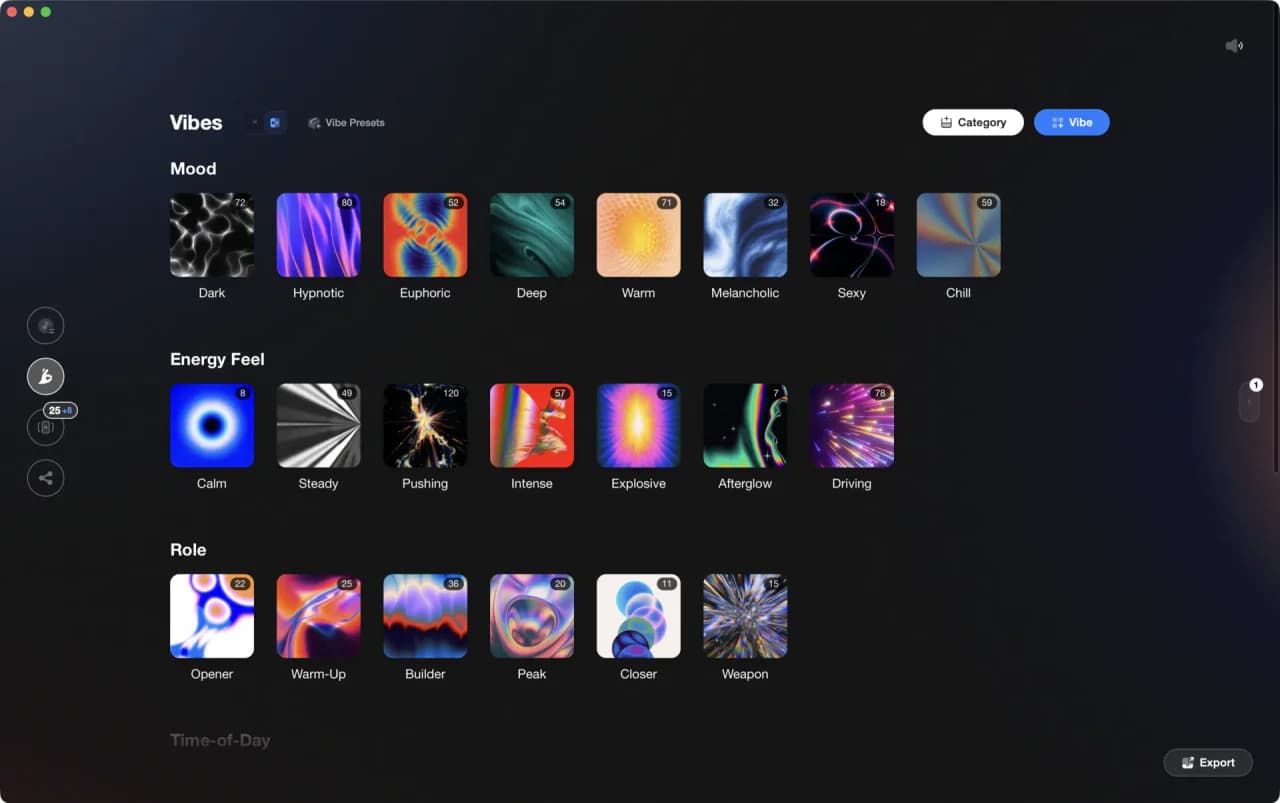
Tutorials Using Pioneer DJ DDJ-FLX4
DJ Starter Equipment: What to Buy First (and What to Skip)
Best DJ Controller: How to Choose
Beginner DJ Equipment: What You Need
DJ Playlist Spotify: Mixing With Streaming Inside Rekordbox
Portable DJ Controller Buying Guide
DJ Decks: 2 vs 4 Channel Buying Guide
DJ Techniques Using This Gear
See how DJs and live performers incorporate Pioneer DJ DDJ-FLX4 into their workflow.

Frequently Asked Questions

Hey, it's Ben Modigell 👋
I DJ and produce as so I so: downtempo, minimal, dub house, tech house, and techno (releases on Spotify and SoundCloud, links above). Everything I write here comes from my own gigs, studio sessions, and library cleanups: the rules I follow, the failure modes I have actually hit, and the workflow I use when nobody is watching. If a technique did not earn its place in my own sets, it does not make it into a tutorial.