
Native Instruments Traktor Pro 4
·Native InstrumentsA professional 4-deck DJ software platform with stem separation, flexible beatgrids, effects, DVS support, and broad controller integration.
Professional DJ Software
DJ software is the foundation of digital DJing. Modern platforms offer stems separation, live remixing, and deep integration with controllers and external gear for hybrid performance setups.
Native Instruments Traktor Pro 4 is for DJs who want more control than a basic controller workflow can offer. It is a 4-deck DJ platform built for creative mixing, stem control, DVS, and hybrid setups. If you care about flexibility more than plug-and-play simplicity, Traktor Pro 4 is still one of the strongest options in the category.
Traktor Pro 4 Overview
Native Instruments Traktor Pro 4 is professional DJ software with four decks, real-time stem separation, flexible beatgrids, DVS support, and deep MIDI control. In practical terms, it suits DJs who mix across club gear, controllers, turntables, and custom rigs rather than those who want the fastest beginner setup.
This matters because Traktor has always been strongest when you build a workflow around it. Native Instruments Traktor Pro 4 keeps that identity, but adds features that modern DJs now expect, especially stems and tempo-flexible beatgrids.
The software was released in July 2024 and remains current as of April 21, 2026. Native Instruments positions it as the main pro-tier Traktor application, while Traktor Play now covers a simpler entry-level lane.
If you are deciding between ecosystems, this is the core question: do you want the most standardized club-prep path, or do you want a platform that rewards customization? Traktor Pro 4 leans hard toward the second option.
That makes it appealing for techno, house, open-format, and hybrid performance DJs. It also makes sense if you already use modular Traktor hardware, DVS, or custom mappings instead of relying on one all-in-one controller.
Key Features
The headline features are stem separation, flexible beatgrids, Pattern Player, Ozone Maximizer, and Traktor's long-standing mapping depth. Together, they make Native Instruments Traktor Pro 4 feel less like a locked DJ app and more like a performance platform for DJs who like to shape their own workflow.
Stem separation is the biggest upgrade. It splits tracks into drums, bass, instruments, and vocals, then lets you mute, filter, and process each part. That is useful for cleaner blends, faster edits, and live mashup work.
Flexible beatgrids fix a long-standing gap. If you mix disco, funk, indie dance, live drumming, or older edits, steady BPM assumptions can fall apart. Traktor Pro 4 can now follow changing tempo more effectively, which makes sync, loops, and time-based effects far more usable.
Pattern Player brings drum layers into the set without leaving the software. This is not a full production environment, but it is enough to add percussion, tension, and movement during transitions.
Ozone Maximizer on the master output is another practical addition. It helps manage loudness while protecting the mix from obvious clipping. In other words, it is a performance safeguard, not just a spec-sheet feature.
The deeper advantage is still mapping and hardware freedom. You can pair Traktor Pro 4 with modular controllers, turntables, club mixers, or a custom hybrid rig. If that is your priority, it compares well against more closed workflows like rekordbox DJ software and broader controller-first options like Serato DJ Pro.
- 4-deck mixing with Remix Deck support
- Stem separation for drums, bass, vocals, and instruments
- Flexible beatgrids for non-static tempo tracks
- 40+ effects plus one-knob Mixer FX
- DVS, MIDI mapping, and Ableton Link support
Technical Specs
Native Instruments lists Traktor Pro 4 as a 64-bit standalone DJ application for macOS and Windows with a four-deck layout and broad hardware integration. Official physical dimensions and weight do not apply because this is software, but system requirements and connectivity still matter.
| Specification | Details |
|---|---|
| Software type | Professional DJ software |
| Decks | 4 decks |
| Platform | macOS and Windows |
| Format | Standalone application |
| Bit depth | 64-bit |
| Minimum OS | macOS 12 or later; Windows 10 or later |
| CPU | Intel Core i5, Apple Silicon, or equivalent |
| RAM | 4 GB minimum |
| Connectivity | MIDI mapping, Ableton Link, Beatport Streaming, Beatsource Streaming, DVS |
The practical takeaway is simple. Traktor Pro 4 is not demanding by current laptop standards, but stem work and larger libraries still benefit from a modern machine with solid storage and memory headroom.
Who Is This For
Native Instruments Traktor Pro 4 is best for DJs who want control, customization, and creative layering. It is less ideal for someone who wants the simplest route into standard export-based club prep.
It makes sense for experienced controller DJs who have outgrown fixed workflows. It also fits DVS users who still want the feel of vinyl while keeping digital flexibility.
Hybrid performers are another clear match. If you combine DJing with drum machines, modular controllers, or sync-based live elements, Traktor still gives you room to build around your setup instead of boxing you in.
Beginners can use it, but it is not the easiest first stop. Traktor Play now covers the entry-level side more directly, while Traktor Pro 4 rewards users who are willing to spend time shaping layouts, mappings, and performance logic.
If you mostly play on Pioneer-based club booths and want maximum handoff compatibility, CDJ and rekordbox workflows may feel more familiar. If you value performance freedom over ecosystem conformity, Traktor stays very competitive.
In Practice
In use, Native Instruments Traktor Pro 4 feels strongest when you lean into its performance tools instead of treating it like a basic two-deck app. The software rewards preparation, custom routing, and hands-on control.
Under real club conditions, workflow speed and low-light clarity tend to matter more than headline features. Traktor's layout flexibility and strong visual feedback help when you need to move quickly without losing track of stems, loops, or FX assignments.
This is where it gets interesting. Traktor can feel deeper than Serato or rekordbox, but that depth becomes an advantage once your setup grows beyond a laptop and one controller.
Low-light usability is better than many assume, especially when paired with dedicated Traktor hardware or clear custom mappings. That matters in underground venues, where speed and reliability matter more than flashy visuals.
The stem tools are useful, but not every DJ needs them on every track. In practice, they work best as a selective performance tool. Pull vocals out for a transition. Cut drums for tension. Use them with intention.
The result is a platform that still feels distinct. It is not the default choice. It is often the deliberate choice.
Pros and Cons
The strengths are creative depth, flexible setup options, and a workflow that scales well with experience. The limitations are complexity, a slightly narrower mainstream ecosystem, and the fact that your overall experience depends a lot on the hardware you pair with it.
Pros
- Excellent stem tools and remix features.
- Flexible beatgrids improve real-world mixing across inconsistent tempos.
- Strong DVS and MIDI mapping support.
- Works well for modular and hybrid setups.
- Mature effects and performance toolkit.
Cons
- -Takes longer to learn than simpler DJ software.
- -Club-standard familiarity still favors rekordbox in many booths.
- -Best experience often depends on adding compatible hardware.
- -Some users may never need its deeper customization.
Price and Value
Native Instruments currently lists Traktor Pro 4 at $99 on its pricing page, while Resident Advisor's launch coverage noted an original full-price launch point of $149 and a lower upgrade path. Thomann shows it at about $135 in the US-facing store, which lines up with the European list context more than the current direct-sale discount.
That pricing puts it in a strong value position for a professional DJ platform. You get stems, DVS support, Remix Decks, effects, and flexible setup options without moving into the higher software cost seen on some competing platforms.
For DJs who only need simple controller mixing, it may be more software than necessary. For DJs building a serious performance workflow, Traktor Pro 4 gives you a lot per dollar.
Used-market logic is different here because the software itself is licensed, not a physical unit. The better value question is whether you should buy software first or put that money toward a bundled controller like a Traktor S2, S4, or modular X1 and Z1 setup.
Alternatives
The main alternatives are rekordbox, Serato DJ Pro, and djay Pro. Each takes a different approach to workflow, hardware support, and learning curve.
| Product | Price | Key Difference |
|---|---|---|
| AlphaTheta rekordbox Creative Plan | $120/yr | Best fit for DJs tied to the Pioneer club ecosystem |
| Serato DJ Pro | $249 | Broad controller support and strong mainstream performance adoption |
| Algoriddim djay Pro | $50/yr | Lower cost and easier casual entry across multiple devices |
If club export compatibility matters most, start with rekordbox. If scratch and controller breadth matter most, Serato is a safer mainstream pick. If creative performance depth and setup freedom matter most, Native Instruments Traktor Pro 4 still makes a strong case.
Organize for Live Performance
Tag tracks by set position, energy level, and key. When you're performing live, every second counts, find what you need instantly.
14-day free trial. Full access, no strings attached.
or see how it works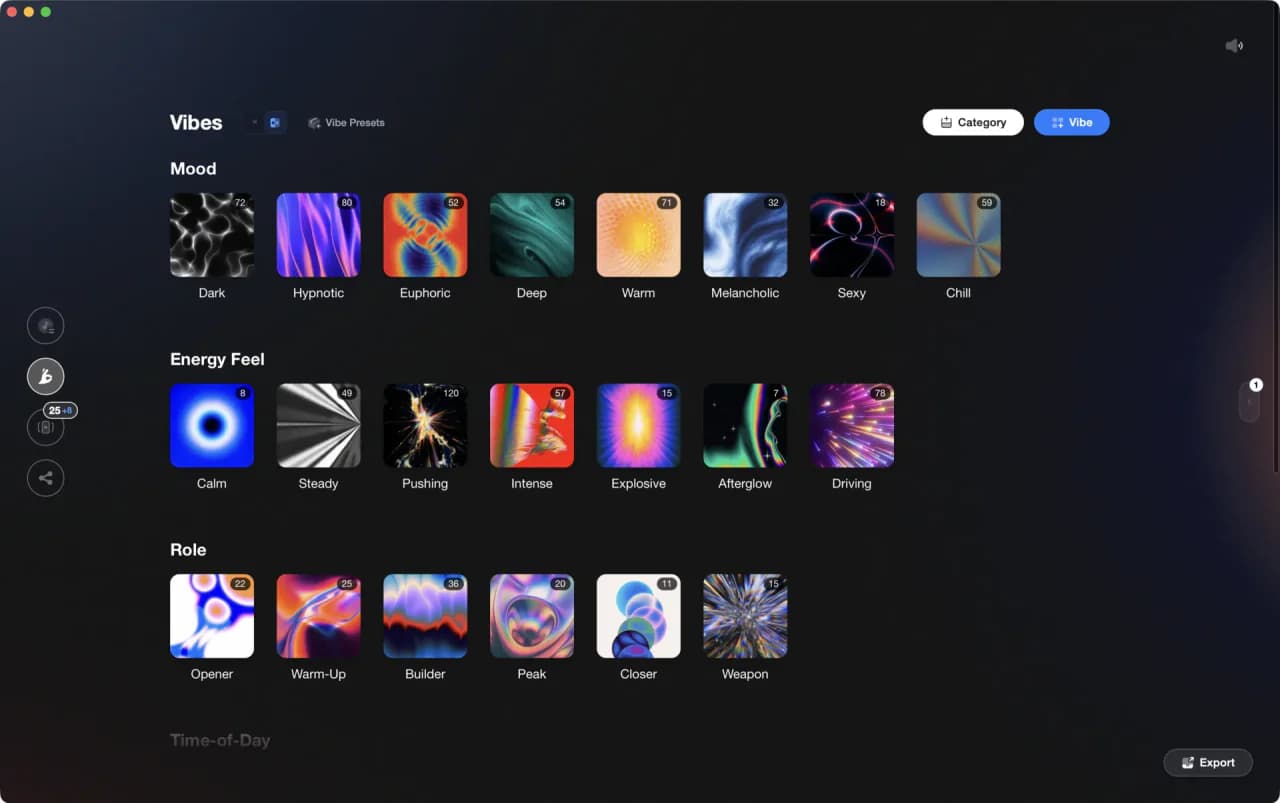
Tutorials Using Native Instruments Traktor Pro 4
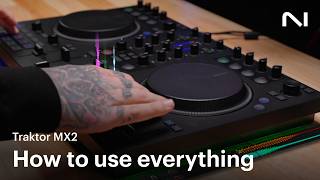
DJ Techniques Using This Gear
See how DJs and live performers incorporate Native Instruments Traktor Pro 4 into their workflow.
Frequently Asked Questions

Hey, it's Ben Modigell 👋
I DJ and produce as so I so: downtempo, minimal, dub house, tech house, and techno (releases on Spotify and SoundCloud, links above). Everything I write here comes from my own gigs, studio sessions, and library cleanups: the rules I follow, the failure modes I have actually hit, and the workflow I use when nobody is watching. If a technique did not earn its place in my own sets, it does not make it into a tutorial.