
Pioneer DJ DDJ-SB
·Pioneer DJA compact 2-channel USB DJ controller designed for Serato DJ Intro and later supported with Serato DJ Lite and Serato DJ Pro.
Hands-On Control
DJ controllers give you tactile control over your software. From basic mixing to advanced performance features, the right controller shapes your workflow and creative possibilities.
The Pioneer DJ DDJ-SB is a small, entry-level DJ controller built for Serato. If you are looking at one now, the real question is not whether it was good in 2014. It was. The question is whether the DDJ-SB still makes sense in your setup today, and for the right buyer it still can.
DDJ-SB Overview
The Pioneer DJ DDJ-SB is a 2-channel USB controller for beginner DJs who want a portable way into Serato mixing. It stands out for its large jog wheels, simple layout, built-in audio interface, and Filter Fade feature, which makes basic transitions easier to control.
Pioneer launched the DDJ-SB for release in January 2014 as the entry point below the DDJ-SR and DDJ-SX. The official product page is now archived, and Pioneer DJ lists the model among products with ended support, so this is firmly a used-market purchase in 2026.
That context matters. The Pioneer DJ DDJ-SB is not a current recommendation for every new DJ. But it can still be a smart low-cost option if you find one cheap, your laptop works with it, and you mainly want to learn phrasing, EQ, cueing, and simple transitions.
It also sits at an important point in Pioneer DJ history. The DDJ-SB helped define the compact two-channel layout that later evolved through the SB2, SB3, DDJ-400, and eventually the Pioneer DJ DDJ-FLX4. If you want a modern equivalent, that is the obvious place to start.
DDJ-SB Features
The DDJ-SB gets the basics right in a way many cheap controllers still struggle with. You get two large jog wheels, dedicated channel filters, performance pads, headphone cueing, a built-in soundcard, and bus power over USB, so setup is fast and clean.
The most distinctive feature is Filter Fade. Press the button and the crossfader adds a high-pass filter movement while fading between decks. For new DJs, this can smooth transitions and reduce rough bass clashes. It is not a replacement for proper EQ technique, but it is genuinely useful while learning.
The pad section is split in a very SB-era way. The top four rubber pads access Hot Cue, Auto Loop, Manual Loop, and Sampler. The bottom row handles Play, Cue, Sync, and Shift. That is practical, but it also means fewer creative pad functions than newer controllers offer.
The jog wheels are another strong point. Pioneer described them as low-latency, and even older reviews noted that the jog response felt better than average at this price. They are not full-size club platters, but they are big enough to make beat nudging and basic scratching less cramped.
The onboard audio interface is simple but important. You can run master out to speakers via RCA and monitor over either quarter-inch or 3.5 mm headphones. That makes the controller usable at home without buying a separate interface first. For many beginners, that convenience is the whole appeal.
In real club use, a readable, reliable, low-light-friendly workflow usually matters more than a long feature list. The DDJ-SB gets points there. The controls are not crowded, the logic is easy to memorize, and the unit is light enough to carry without turning a small gig into a logistics problem.
Technical Specs
The DDJ-SB is straightforward on paper. Its official specs cover the essentials, and that simplicity is part of why it remained popular long after launch.
| Specification | Details |
|---|---|
| Channels | 2 |
| Deck Control | 2 decks |
| Dimensions | 487 x 271.2 x 58.5 mm |
| Weight | 2.1 kg |
| Soundcard | 24-bit / 44.1 kHz |
| Frequency Range | 20 Hz to 20 kHz |
| Distortion | < 0.005% via USB |
| Jog Wheels | 2 x 112 mm aluminium |
| Input | 1 x 1/4-inch mic |
| Master Output | RCA |
| Headphone Outputs | 1/4-inch and 3.5 mm |
| USB | 1 x USB-B |
| Power | USB bus powered |
Those numbers tell you what kind of product this is. The DDJ-SB is light, compact, and designed to travel with a laptop. It is not built around standalone use, balanced outputs, or expanded mixer connectivity.
It is also an older Serato-first design. Serato now lists the hardware as unlocking Serato DJ Lite and offering a paid path to Serato DJ Pro, but software support around older Pioneer controllers is more complicated than with current units. Check compatibility before you buy.
Who Is This For
The DDJ-SB is best for beginners who want a cheap used controller to learn core DJ skills. It also suits casual DJs who already know Serato and need a small backup unit for practice, travel, or low-pressure house parties.
It makes the most sense if your budget is tight. A clean used DDJ-SB can still teach beatmatching, cue points, loop timing, EQ moves, and track prep. If that is your goal, older gear is not automatically bad gear.
It is less ideal if you want modern software integration, deeper pad modes, better effects control, or a controller that mirrors current club-adjacent Pioneer layouts more closely. In that case, look at the DDJ-400 vs DDJ-FLX4 path or jump straight to a newer model.
It is also a weak choice for working mobile DJs. The unbalanced RCA master out and limited I/O are fine in a bedroom or small bar, but less comfortable in professional event workflows where redundancy and output flexibility matter.
In Practice
In use, the DDJ-SB feels quick rather than deep. You can plug it in, launch Serato, route your speakers, and start mixing fast. That low-friction setup is a major reason the controller lasted so long in beginner recommendations.
The layout mirrors the software well. New DJs can connect what they see on the laptop to what their hands are doing on the hardware. That reduces the learning curve and makes the first few weeks less frustrating.
The tradeoff is headroom for growth. Effects control is basic, and older reviews were right to call that out. Once you move beyond simple blends and cue-juggling, the controller starts to feel narrow. You can still perform on it, but you work around the hardware more often.
Build quality is respectable for the price tier. It is not tank-like, but it does not feel like a toy either. In small venues and underground spaces, that balance matters. You want something light enough to carry, but sturdy enough that the knobs and jogs do not feel disposable.
This is where used condition becomes crucial. A well-kept DDJ-SB can still be perfectly usable. A worn one with loose USB connection, scratchy pots, or tired pads will cost you more in frustration than it saves in purchase price. If you are buying secondhand, test every fader, pad, cue button, and output.
Pros and Cons
The DDJ-SB still has a clear set of strengths and weaknesses. That balance is exactly why it remains relevant in used-market conversations.
Pros
- Compact size, easy USB-powered setup, better jog wheels than many old budget rivals, built-in audio, and a beginner-friendly Serato layout.
- Filter Fade is also more useful than it sounds.
Cons
- -Discontinued status, aging driver support, limited effects control, unbalanced RCA-only master output, and less room to grow than newer entry-level controllers.
In other words, the DDJ-SB is good at helping you start. It is less good at staying with you for years once your expectations rise.
Price and Value
The DDJ-SB launched around €249 and £199, with period coverage also pointing to a roughly $299 US launch price. In 2026, pricing is mostly a used-market story, and value depends more on condition, software compatibility, and included cables than on the model name alone.
Current web listings show the clearest live price signals on used and legacy marketplaces. Reverb remains a core reference point, while eBay still shows active listings around the low-$200 range. In practice, a strong buy is usually lower than that unless the unit is unusually clean.
This is the key value test. If a used DDJ-SB is priced close to a new entry-level Pioneer DJ controller, the older unit stops making sense. You give up support, modern software convenience, and resale stability for a small savings.
If you find one cheap, though, the math changes. For learning basic DJ technique at home, the DDJ-SB still gives you enough controller for the money. Just treat it like older computer hardware: buy carefully, verify compatibility first, and leave room in your budget for replacement if support issues appear.
Alternatives
The best alternative depends on whether you want the same idea, a direct update, or a current production model. These are the most obvious comparisons.
| Product | Price | Key Difference |
|---|---|---|
| Pioneer DJ DDJ-SB2 | $249 at launch | A cleaner revision with four-deck support and modest usability improvements. |
| Pioneer DJ DDJ-FLX4 | $329 new | Current mainstream successor class with broader software appeal and ongoing support. |
| Numark Mixtrack Pro 3 | $199 typical legacy pricing | Another beginner Serato option with a different control feel and layout philosophy. |
For most new buyers, the FLX4 is the sensible upgrade path. For used-only shoppers, the SB2 can be the sweeter spot if the price difference is small.
Bottom Line
The Pioneer DJ DDJ-SB was a smart beginner controller when it launched, and it is still easy to see why. The jog wheels are generous for the class, the layout is clear, the built-in audio keeps setup simple, and Filter Fade gives new DJs one helpful shortcut without making the controller feel toy-like.
But time changes the recommendation. In 2026, the DDJ-SB is no longer a default pick. It is a used-market tool for careful buyers, not a broad recommendation for everyone starting out.
Buy it if the price is low, the condition is solid, and you want an inexpensive way to learn Serato fundamentals. Skip it if you want modern support, longer upgrade runway, or a controller you can buy new with less risk.
Organize for Live Performance
Tag tracks by set position, energy level, and key. When you're performing live, every second counts, find what you need instantly.
14-day free trial. Full access, no strings attached.
or see how it works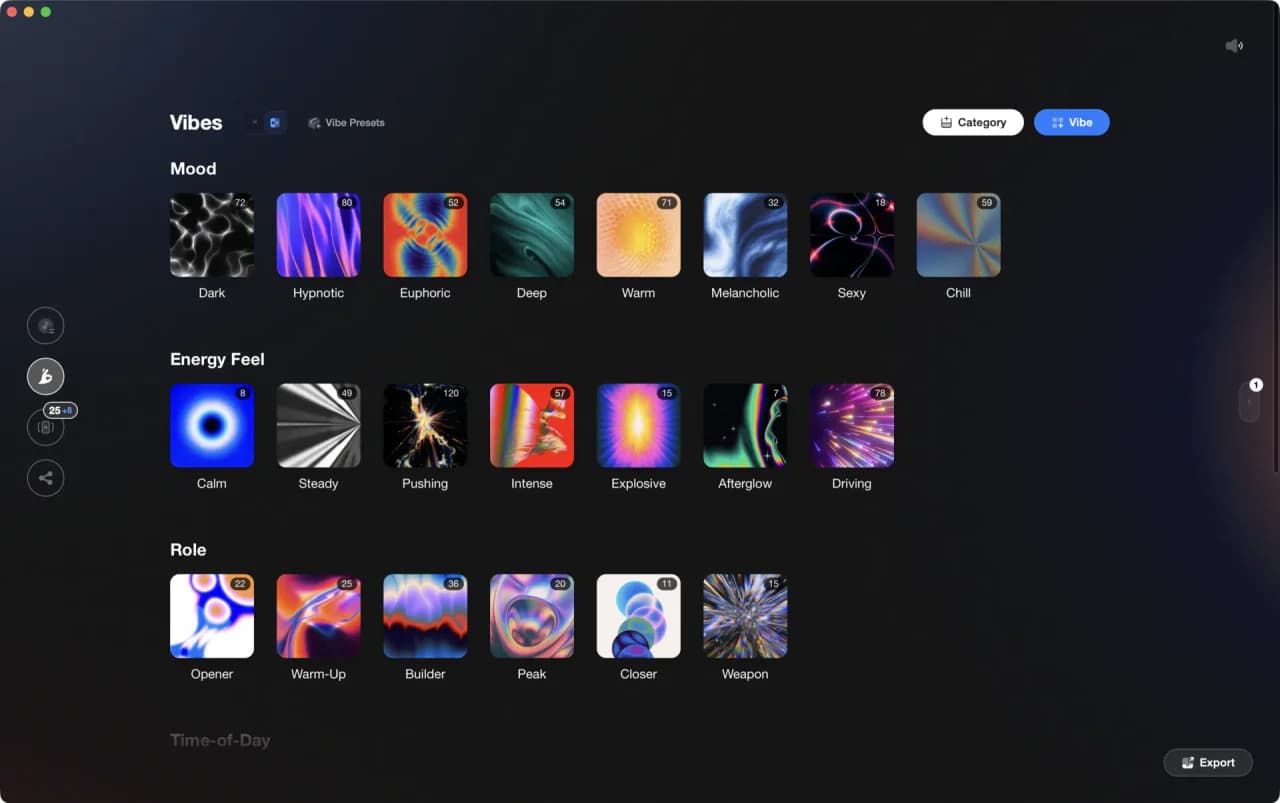
Tutorials Using Pioneer DJ DDJ-SB
DJ Techniques Using This Gear
See how DJs and live performers incorporate Pioneer DJ DDJ-SB into their workflow.

Frequently Asked Questions

Hey, it's Ben Modigell 👋
I DJ and produce as so I so: downtempo, minimal, dub house, tech house, and techno (releases on Spotify and SoundCloud, links above). Everything I write here comes from my own gigs, studio sessions, and library cleanups: the rules I follow, the failure modes I have actually hit, and the workflow I use when nobody is watching. If a technique did not earn its place in my own sets, it does not make it into a tutorial.