
Mixing Techniques
Mixing techniques are the core methods DJs use to blend tracks smoothly, control energy, and shape transitions in a set.
Mixing techniques are the practical methods DJs use to move from one track to the next without losing timing, energy, or musical direction. If your blends feel abrupt, muddy, or rushed, learning better mixing techniques fixes that. Strong mixing techniques let you control tension, manage phrasing, and make transitions sound intentional instead of accidental.
This guide is for DJs who can already cue tracks and want cleaner results. By the end, you will know which mixing technique fits a given moment, how to practice it, and how to judge whether a transition actually works on a dancefloor.
What Are Mixing Techniques?
Mixing techniques are the timing, EQ, volume, filter, and phrasing methods used to blend one record into another. In DJ practice, they include simple fades, phrase-matched blends, bass swaps, cuts, looping transitions, and harmonic choices that keep a set coherent.
Most educators break the topic into a few recurring fundamentals: beat alignment, phrase timing, EQ control, and transition length. The Digital DJ Tips transitions guide focuses on phrase-based transition types, while the Crossfader phrasing lesson emphasizes bars, phrasing, and when to bring a new track in.
That matters because there is no single best transition. A long house blend, a hip-hop quick cut, and an open-format echo-out solve different problems. Good DJs build a small toolkit, then choose the right move for the music in front of them.
If you are still shaky on timing, start by mastering beat matching fundamentals and understanding phrase mixing structure. Those two skills make every other transition easier.
Why Mixing Techniques Matter
Mixing techniques matter because transitions shape how the crowd feels momentum. A clean transition preserves groove. A messy one breaks trust, even if the track selection is good.
In practice, good technique gives you three things: control over energy, cleaner frequency balance, and better narrative flow. Sources from Digital DJ Tips, Crossfader, and DJ TechTools all point back to the same idea: timing and frequency management do more for smooth sets than flashy effects.
- Keep drums and phrasing locked during track changes
- Avoid bass and vocal clashes in overlapping sections
- Choose shorter or longer transitions based on genre and crowd response
- Build consistency across house, techno, hip-hop, and open-format sets
- Create confidence under pressure in clubs and live recordings
Core Mixing Techniques
The core mixing techniques most DJs use are fades, phrase blends, bass swaps, EQ carving, cuts, and filter-based transitions. Start with these before chasing advanced tricks, because they cover most real-world set situations.
First is the basic fade. You lower one channel while bringing the next up at the right musical moment. This is simple, but it still depends on accurate phrase timing.
Next is the phrase blend. Here, you start the incoming track at the start of a phrase so the arrangement changes in both tracks happen together. The Crossfader phrasing lesson highlights this as one of the fastest ways to make transitions sound cleaner.
Then comes the bass swap, a staple in house and techno. You keep the low EQ down on the incoming track while both tracks overlap, then switch low-end dominance at the right moment. The DJ TechTools EQ mixing guide and Digital DJ Tips transitions guide both describe this as a core way to avoid muddy low frequencies.
EQ carving extends that idea into the mids and highs. If the outgoing track has a strong lead or vocal, reduce those frequencies to make room for the new track. This is where practice EQ mixing for cleaner swaps becomes essential.
Cuts and quick drops are shorter, sharper techniques. They work well in hip-hop, open-format, or high-energy sections where a long blend would feel weak. The goal is impact, not subtlety.
Filters and loops are support tools, not replacements for timing. Filters can thin out a track before the swap. Loops can extend an outro or intro when the arrangement is too short. Used well, they buy you time. Used badly, they sound like panic.
| Technique | Best Use | Key Risk |
|---|---|---|
| Basic fade | Open-format or tempo changes | Sounds flat if phrasing is off |
| Phrase blend | House, disco, techno, melodic sets | Arrangement clashes if entry point is wrong |
| Bass swap | Long club blends | Muddy low end if both basslines stay active |
| Quick cut | Hip-hop and high-energy resets | Feels abrupt if timing is late |
| Filter or loop transition | Short intros, awkward arrangements | Can sound artificial if overused |
How to Use Mixing Techniques
To use mixing techniques well, match the track timing first, choose the transition type second, and move frequencies last. That order keeps you from fixing arrangement problems with EQ or effects.
Step 1 is cueing the incoming track at a reliable start point. This might be the first kick, a clean phrase marker, or a looped intro if the original intro is too short.
Step 2 is beat alignment. Whether you mix by ear or with sync, the drums still need to feel locked. Native Instruments and AlphaTheta hardware documentation both show how central jogs, faders, cue controls, and 3-band EQ remain in modern DJ workflows.
Step 3 is phrase timing. Count bars and bring the new track in where the arrangement supports overlap. The Digital DJ Tips transitions guide repeatedly centers mixes around phrase windows rather than random entry points.
Step 4 is choosing the blend type. If both tracks have space, do a phrase blend. If the low end is crowded, plan a bass swap. If the incoming record has a big vocal and the outgoing one is busy, carve mids before the overlap gets messy.
Step 5 is monitoring the handoff. Listen for three things: drifting beats, clashing lows, and competing vocals. If one of those appears, correct it immediately instead of hoping the audience will not notice.
Finally, finish the transition decisively. One common beginner mistake is leaving both tracks half-active too long. Once the new track owns the groove, remove the old one cleanly.
Equipment for Mixing Techniques
You do not need elite gear to learn mixing techniques, but you do need reliable core controls. The minimum setup is two decks, a mixer section, cue monitoring, and clear EQ access.
A modern controller or mixer usually gives you channel faders, a crossfader, gain, headphone cue, and 3-band EQ. The AlphaTheta DJM-A9 mixer documentation and current Native Instruments controller materials both reflect that standard layout.
Optional features can help, but they should not become crutches. Hot cues help with precise entry points. Loops help when intros are too short. Filters can make transitions smoother. Sync can reduce workload, but it does not replace phrasing or track selection.
Your music preparation matters too. For practice, build small groups of tracks with similar BPM, clean intros, and obvious phrase changes. This is one place where Vibes fits naturally: a structured practice library can separate tracks into categories like long blends, quick cuts, and bass-swap-friendly transitions so you repeat drills with the right material.
Practice Drills for Mixing Techniques
The fastest way to improve mixing techniques is to isolate one transition type at a time. In practice, short, repeatable drills build cleaner timing faster than long unfocused sessions.
Start with the phrase blend drill. Pick two tracks within 2 BPM of each other. Count 32 beats, start the second track on beat one of a new phrase, and complete the transition in 16 or 32 bars.
Next, run the bass swap drill. Keep the incoming low EQ down, blend the tracks for 8 to 16 bars, then swap the bass exactly at the phrase change. Record it and listen for muddiness.
Then practice quick cuts. Choose tracks with obvious downbeats. Start the new record sharply on the one, cut the old record out, and check whether the energy lifts or stumbles.
Add a loop extension drill once the basics feel stable. Set a 4- or 8-beat loop on the outgoing track, hold the groove, then bring in the new record without rushing. This helps when modern edits have short outros.
Review every session. Most instructors recommend recording and critiquing transitions, because what feels smooth in the headphones can still sound crowded on playback.
Common Mistakes in Mixing Techniques
Most mixing mistakes come from timing errors, crowded frequencies, or weak exits. The fix is usually simpler than beginners expect: better phrase choice, cleaner EQ decisions, and a more decisive handoff.
| Mistake | Why It Happens | Fix |
|---|---|---|
| Mixing at a random point | The DJ hears tempo but ignores phrase structure | Count bars and start on phrase boundaries |
| Two basslines fighting | Incoming low EQ stays too high too early | Keep one dominant low end, then swap cleanly |
| Vocals clashing | Both tracks are busy in the mids | Choose cleaner sections or reduce midrange on one track |
| Transition drags too long | The DJ hesitates to remove the outgoing track | Commit to a clear end point before starting the mix |
Why do most beginners struggle here? They try to solve everything at once. In practice, you improve faster by picking one variable per week: timing first, then lows, then transition length.
Examples and Progression
As your mixing techniques improve, your track choices can become more adventurous. House and techno reward long phrase blends and bass swaps. Hip-hop and open-format often reward faster cuts, drops, and more obvious energy shifts.
The next progression is musical compatibility. Once your timing is solid, learn harmonic mixing for smoother blends so key relationships support the transition instead of fighting it.
From there, advanced mixing techniques include loop layering, four-deck transitions, and effect-assisted exits. But the principle stays the same: a transition should serve groove, tension, and narrative, not just show that a feature exists.
Troubleshooting Mixing Techniques
If your transitions still sound rough, diagnose the exact failure point. Do not label the whole mix bad when only one part is broken.
If the tracks drift, your beat alignment is unstable. Slow the practice tempo gap and shorten the overlap. If the mix sounds muddy, your lows are competing. If it sounds chaotic, your phrase choice or midrange balance is wrong.
If every transition feels tense, the issue may be track prep rather than hand skill. Practice with easier records first: longer intros, clear kicks, and fewer overlapping vocals.
How Long Do Mixing Techniques Take to Learn?
Most DJs can build usable mixing techniques in 2 to 6 weeks of focused practice. Basic fades and phrase blends come first. Clean bass swaps and more musical transitions usually take longer because your ears need repetition.
A realistic benchmark is this: after two weeks, you should complete simple 16-bar blends without trainwrecking. After four weeks, you should hold timing through a controlled bass swap. After six weeks, you should choose the transition type on purpose instead of guessing.
Key Takeaways
Mixing techniques are not one trick. They are a small set of decisions about timing, phrasing, EQ, and energy. Once those decisions become repeatable, your sets sound calmer, tighter, and more musical.
Focus on these three points first.
- Match phrase structure before touching effects
- Let only one bassline dominate at a time
- Practice short drills, record them, and review specific errors
Start with phrase blends and bass swaps using easy track pairs. Then expand into faster cuts, loops, and more musical combinations. That progression gives you a reliable foundation for every other DJ transition skill.
The visual way to organize your DJ library
Tag tracks by vibe. See everything at once. Export to rekordbox, Serato, Traktor or Engine DJ.
14-day free trial. Full access, no strings attached.
or see how it works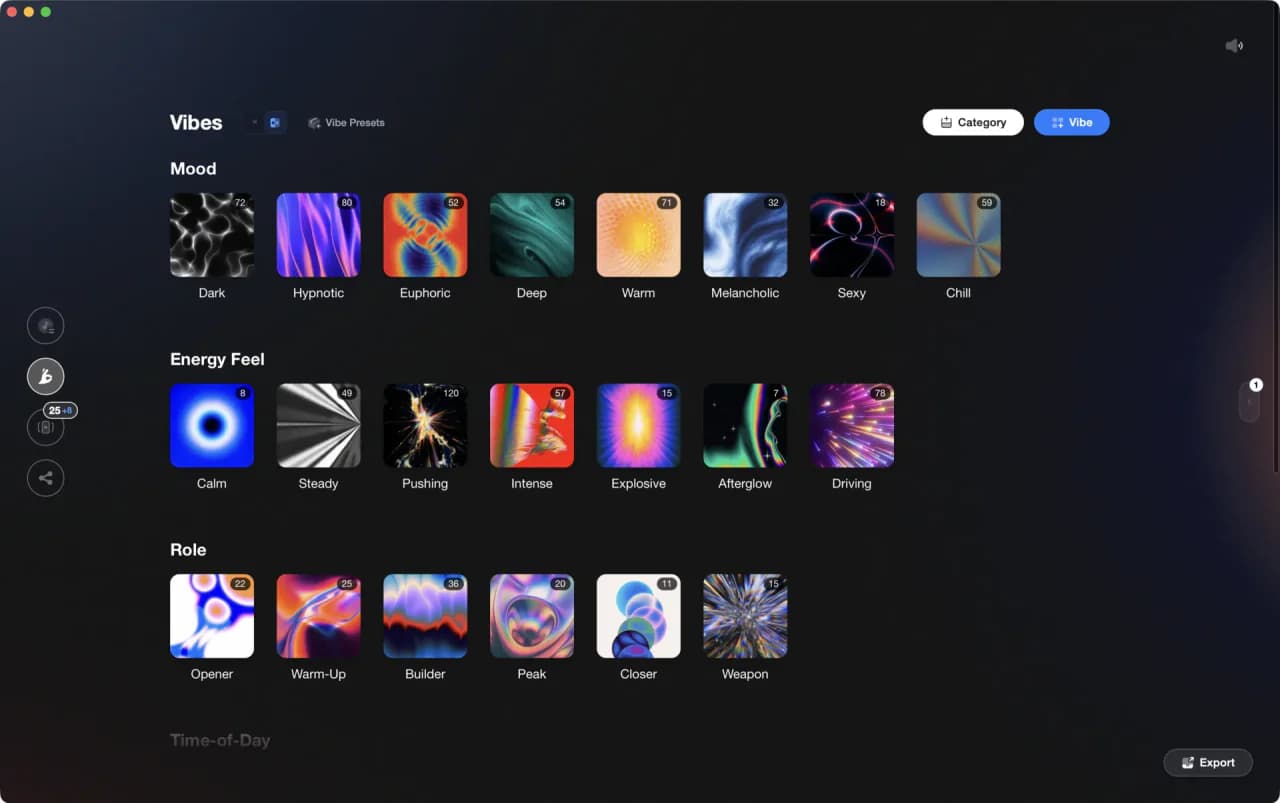
Equipment You'll Need
Logic Pro X
optionalA professional Mac-only DAW for recording, production, beat making, mixing, and mastering.
FL Studio
optionalA pattern-based digital audio workstation for beatmaking, recording, arrangement, mixing, and music production on Windows and macOS.
Roland TR-8S
optionalA performance-focused drum machine that combines Roland ACB drum models, FM sounds, sample playback, and hands-on sequencing in one hardware unit.
Ableton Live
optionalAbleton Live is the go-to DAW for hybrid DJ sets and live electronic performance. Session View enables non-linear clip launching perfect for DJs transitioning from decks. Use it alongside CDJs, with controllers like Push and Launchpad, or as your complete performance rig.
Frequently Asked Questions

Hey, it's Ben Modigell 👋
I DJ and produce as so I so: downtempo, minimal, dub house, tech house, and techno (releases on Spotify and SoundCloud, links above). Everything I write here comes from my own gigs, studio sessions, and library cleanups: the rules I follow, the failure modes I have actually hit, and the workflow I use when nobody is watching. If a technique did not earn its place in my own sets, it does not make it into a tutorial.