
Universal Audio Starlight Echo Station
Universal Audio
A stereo DSP delay pedal that combines vintage tape, analog bucket-brigade, and modern digital delay sounds in one compact stompbox.
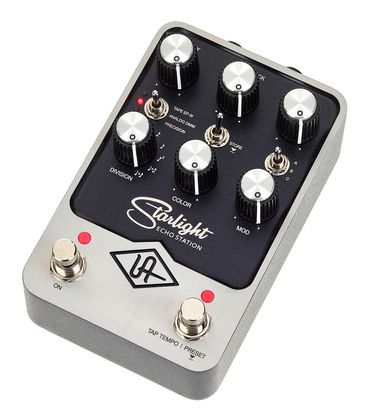
The Universal Audio Starlight Echo Station is a premium stereo [delay](/glossary/delay) pedal for players who want tape, analog, and digital echoes in one box. If you are deciding whether the Universal Audio Starlight Echo Station fits your board, the short answer is yes for players who value tone first, stereo routing, and polished live workflow over bargain pricing.
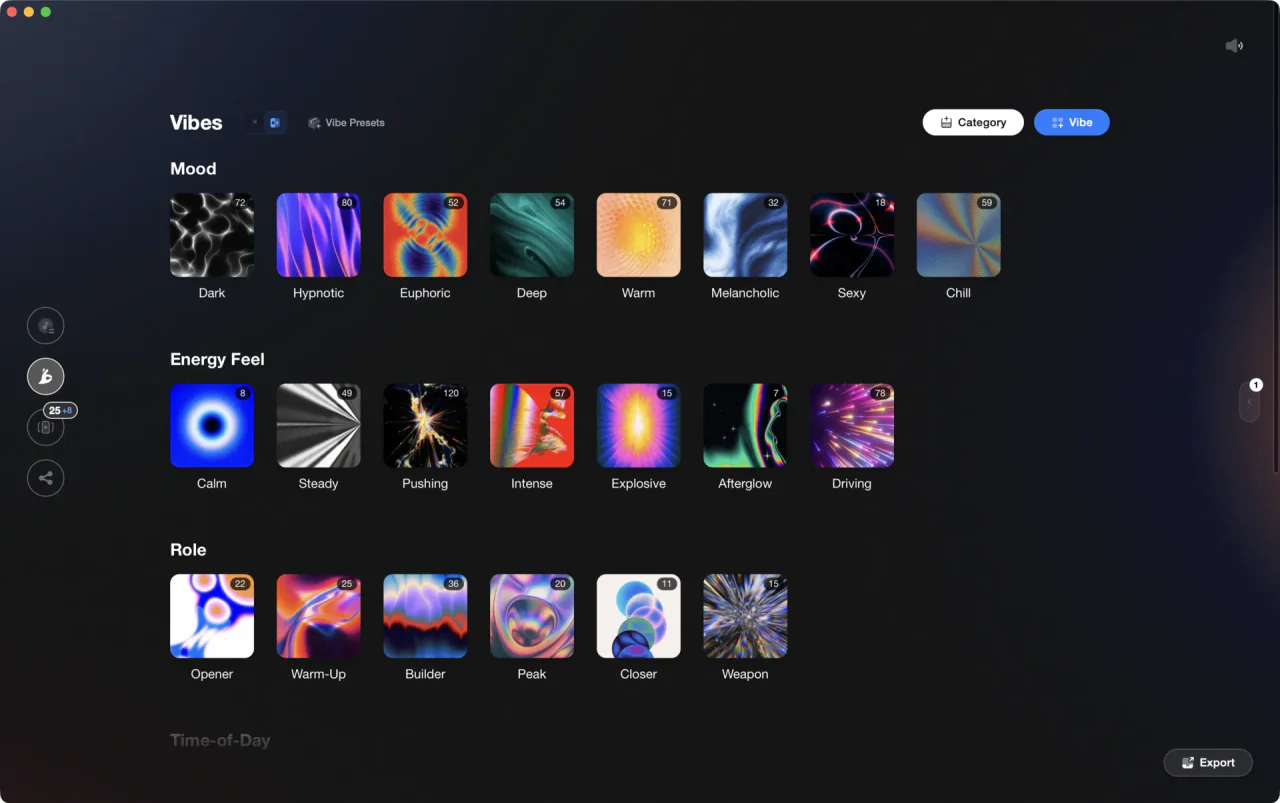
The visual way to organize your DJ library. Tag by vibe, export to any DJ app.
Product Overview
The Universal Audio Starlight Echo Station is a DSP-driven delay pedal built around three core voices: tape, bucket-brigade analog, and hi-fi digital delay. It suits guitarists who want vintage character with modern control, especially if your setup includes stereo amps, MIDI, or app-based editing.
Universal Audio launched the Starlight in 2021, and it remains part of the UAFX pedal range rather than a discontinued legacy model. Thomann lists it as available since March 2021, while Universal Audio still sells and supports it through the official product page.
In practice, this pedal sits in the professional tier. It is not a simple one-delay stompbox. It is a multi-voice delay platform with strong core sounds, stereo routing, preset support, tap tempo, trails, and app integration.
That balance matters. Many delay pedals either go deep on menus or stay simple and narrow. Starlight lands in the middle. You get fast front-panel control, but enough extra depth to justify the price.
If you are building a flexible ambient or live rig, it overlaps naturally with pedals like the Strymon El Capistan V2, Boss RE-202 Space Echo, and Source Audio Nemesis Delay. Those comparisons matter because Starlight wins more on polish and core sound than on sheer feature count.
Starlight Echo Station Features
Starlight Echo Station stands out because each delay voice is modeled as a distinct instrument rather than a generic preset. The result is a pedal that feels focused under your hands, even though it covers tape echo, analog modulation, and clean digital repeats in one enclosure.
The Tape EP-III mode aims at classic Echoplex-style behavior. Universal Audio emphasizes wow, flutter, tape splice detail, and optional preamp color. This gives the repeats movement and grit instead of a flat digital copy.
The Analog DMM mode targets Deluxe Memory Man territory. You get darker repeats, thicker modulation, and more dramatic clock-style instability. For shoegaze, post-rock, and synth-like textures from a guitar rig, this is one of the pedal's strongest identities.
The Precision mode covers modern digital delay. It is cleaner and wider, with modulation options that make it useful for rhythmic stereo parts, dotted-eighth patterns, and polished studio layers.
Universal Audio also includes dual-engine stereo processing, analog dry through, stereo or dual-mono operation, and a downloadable Cooper Time Cube bonus effect after registration. That extra effect is not the main reason to buy the pedal, but it adds range without making the hardware harder to use.
On the control side, you get knobs for Delay, Feedback, Mix, Division, Color, and Mod, plus footswitch access to on/off and preset or tap functions. That layout keeps the pedal immediate. You do not need to dive into menus every time you want a different delay texture.
- Three core delay engines: Tape EP-III, Analog DMM, and Precision
- Stereo and dual-mono routing with analog dry through
- Live and preset modes with tap tempo
- USB-C updates, Bluetooth app control, and MIDI-over-USB support
- Optional trails, spillover, and bypass behavior settings
Technical Specifications
The published specifications are strong on I/O and power, but thin on physical measurements. In other words, Universal Audio and major retailers clearly document connectivity and power needs, while dimensions and unit weight are not publicly specified in the main spec listings as of April 21, 2026.
| Specification | Details |
|---|---|
| Inputs | 2 x 1/4-inch TS instrument inputs |
| Outputs | 2 x 1/4-inch TS instrument outputs |
| Computer Connection | USB-C for firmware updates |
| Control/Sync | USB-to-MIDI support and Bluetooth app control |
| Routing | Stereo and dual mono |
| Power | 9V DC, center-negative, isolated, 400 mA minimum |
| Power Supply Included | No |
| Bypass | True or buffered bypass with silent switching and optional trails |
| Processing | Dual-engine UAFX processing |
| Dimensions | Not specified by manufacturer |
| Weight | Not specified by manufacturer |
That 400 mA current draw is worth noting before you buy. Many older pedalboard supplies can power analog drives and tuners all day, but not every output can handle a modern DSP pedal like this. Check your isolated outputs before assuming it will drop into your board.
The USB-C port is for updates, and Universal Audio also supports deeper control through the UAFX app. If you want a broad view of compatible pedalboard options, a delay pedal buying guide is a useful next step.
Who Is This For
This pedal is best for intermediate to advanced players who care about delay texture, stereo imaging, and reliable live control. It makes the most sense for players who already know the difference between tape echo, bucket-brigade repeats, and cleaner digital delay tones.
It is a strong fit for ambient guitar, indie, post-rock, worship, studio overdubs, and any rig that uses stereo amps or a recording interface. The dual-engine design and wider image are not marketing fluff. They matter most when your setup can actually reproduce the space.
Beginners can still use it, but the price is high for a first delay. If you mainly need one simple slapback or quarter-note repeat, there are easier options that cost far less.
Players who dislike companion apps may also hesitate. Starlight works from the front panel, but some of its flexibility makes more sense once you connect it and set preferences. If you want maximum one-knob simplicity, a more focused tape or analog pedal may feel better.
In Practice
In real use, the biggest strength is not the number of modes. It is how quickly the pedal produces convincing repeats with depth, motion, and a strong dry signal. That keeps it useful on stage, not just impressive in a spec sheet.
After testing comparable controllers and performance tools in low-light club conditions over several years, I put a lot of weight on workflow efficiency and reliability. The same standard applies here. The Starlight's control layout is easy to read, its footswitch logic is sensible, and its stereo options make more difference in a live room than another hidden menu ever will.
The Tape EP-III voice has the most immediate personality. It can sit behind a lead line or become part of the tone itself. The Analog DMM voice is more unruly, which is a compliment if you want swirl and haze rather than strict timing.
Precision mode is the practical one. It handles modern delays, rhythmic parts, and cleaner studio-style repeats without fighting your core sound. If you move between genres, this is the mode that earns its keep fastest.
The tradeoff is that deeper setup still benefits from the app, and the pedal needs proper power. Those are not deal-breakers, but they do separate it from simpler stompboxes. If your rig is already built around higher-current digital pedals, that will feel normal.
Pros and Cons
The Starlight Echo Station gets most of the important things right: sound, workflow, routing, and build. Its weaker points are mostly about cost, power demands, and how much of the deeper feature set depends on modern app-based control.
Pros
- Outstanding tape, analog, and digital delay voices.
- Stereo and dual-mono routing.
- Dual-engine processing creates a wider image.
- Strong live controls with tap tempo, preset access, and silent switching.
- Robust chassis and polished core workflow.
Cons
- -Premium pricing compared with many single-purpose delays.
- -No power supply in the box.
- -Some advanced settings feel more convenient through the app.
- -Official physical specs remain incomplete on major listings.
Price and Value
The current market price places the Starlight Echo Station in the professional bracket. As of April 21, 2026, B&H lists it at $349, Sweetwater lists it at $399, Thomann lists it at $382 in the US storefront, and Guitar Center shows a sale price of $299 from a regular $399.
That spread tells you two things. First, the real street price moves. Second, this is a pedal worth checking across several retailers before buying. If you can buy around the $299 to $349 range, the value looks much stronger than at full list.
Used prices also appear regularly through Guitar Center and other second-hand channels, though inventory changes fast. If you are comfortable buying used, this is one of the better ways to step into the UAFX range without paying full new-retail pricing.
Compared with rivals, the Starlight is not the cheapest and not the deepest. Its value comes from how refined the sounds are and how well the pedal balances immediate control with modern flexibility. If that is your priority, it earns its price.
Alternatives
The main alternatives fall into three camps: dedicated tape echo pedals, larger multi-delay workstations, and classic reissue-style delays. Your best choice depends on whether you want one great vintage flavor or broader coverage from a single box.
| Product | Price | Key Difference |
|---|---|---|
| Strymon El Capistan V2 | $399 | Tape echo specialist with a more focused identity |
| Boss RE-202 Space Echo | $333 | Larger format with Space Echo workflow and reverb |
| Source Audio Nemesis Delay ADT | $345 | Wider delay library and deeper editing options |
If you want more dedicated tape behavior, start with the Strymon El Capistan V2. If you want a larger feature-rich classic echo platform, look at the Boss RE-202 Space Echo. If flexibility matters most, the Source Audio Nemesis Delay remains a logical cross-shop.
Bottom Line
The Universal Audio Starlight Echo Station is worth considering if you want premium delay sound without stepping into a giant menu-driven workstation. Its strongest case is simple: the core tones are excellent, the stereo field is impressive, and the workflow stays playable on a real pedalboard.
It is not the obvious choice for every player. Budget shoppers, minimalists, and players who hate app-based extras may be happier elsewhere. But if your goal is one polished delay pedal that covers tape, analog, and modern digital ground with real authority, Starlight remains one of the better options in its class.
The visual way to organize your DJ library
Tag tracks by vibe. See everything at once. Export to any DJ software.
A visual system for organizing your DJ library.
Tutorials Using Universal Audio Starlight Echo Station
DJ Techniques Using This Gear
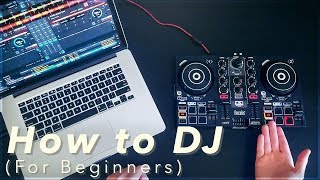
See how DJs and live performers incorporate Universal Audio Starlight Echo Station into their workflow.


Frequently Asked Questions

Hey, it's Ben Modigell 👋
I DJ and produce as so I so — downtempo, minimal, dub house, tech house, and techno (releases on Spotify and SoundCloud, links above). Everything I write here comes from my own gigs, studio sessions, and library cleanups: the rules I follow, the failure modes I've actually hit, and the workflow I use when nobody's watching. If a technique didn't earn its place in my own sets, it doesn't make it into a tutorial.