
Numark Mixtrack Pro II
·NumarkA two-channel USB DJ controller with a built-in audio interface, touch-activated jog wheels, and performance pads for Serato-compatible mixing.
Hands-On Control
DJ controllers give you tactile control over your software. From basic mixing to advanced performance features, the right controller shapes your workflow and creative possibilities.
The Numark Mixtrack Pro II is a discontinued two-channel DJ controller that still makes sense for budget buyers on the used market. It gives you touch-activated platters, a built-in audio interface, and a layout that teaches real mixing habits. If you want a cheap path into laptop DJing, the Numark Mixtrack Pro II is still relevant.
Product Overview
The Numark Mixtrack Pro II is best for beginners who want a true two-deck controller with onboard audio and hands-on controls, without paying current-model prices. It launched in 2013 as the follow-up to the original Mixtrack Pro and added touch platters, performance pads, and a slimmer layout.
According to the Numark official product page, the controller includes 16 backlit pads, dedicated effects controls, a microphone input, RCA main output, and both 1/4-inch and 1/8-inch headphone outputs. That matters because you can practice proper cueing without adding a separate interface.
In 2026, this is not a current retail model. The bundled Serato DJ Intro software is from an older era, so the buying case is simple: buy it used only, and buy it for hardware value rather than software value.
That changes the question from "is it new enough?" to "is it cheap enough?" If you find a clean unit, the Mixtrack Pro II still covers the basics well and gives you a more complete workflow than many ultra-cheap entry controllers.
It also sits in an important middle ground. It is more serious than toy-like party controllers, but far less capable than current club-oriented options such as the Numark Mixtrack Pro FX or a more modern beginner DJ controller guide.
Mixtrack Pro II Features
The standout feature set is practical, not flashy. The Mixtrack Pro II gives you touch-sensitive jog wheels, 16 pads, onboard audio, and a full mixer section in a compact body, which is exactly what most first-time DJs need.
The jog wheels are touch-activated and illuminated. On a controller at this level, that is more important than cosmetic extras. It lets you learn cueing, nudging, and basic scratch moves in a way that feels closer to larger DJ gear.
The 16 backlit pads cover loop, sample, and hot cue duties. That makes the controller more flexible than older two-deck units that relied almost entirely on buttons and encoders. You can build muscle memory for performance features instead of treating everything like transport control.
Numark also included a built-in audio interface. You connect headphones directly to the unit, run the master output to speakers over RCA, and keep your setup simple. For a bedroom setup or small private event, that is a real advantage.
The mixer section is properly laid out, with gain, EQ, pitch, sync, and library navigation. In practice, that matters more than spec-sheet buzzwords. For entry-level gear, clear workflow and low-light usability matter more than headline features, and this layout gets the essentials right.
There are limits, though. The outputs are basic, the controller uses an older software bundle, and there is no modern screen feedback or advanced standalone behavior. So the feature set is strong for learning and casual use, but narrow for long-term growth.
Technical Specs
The core specifications are straightforward. Numark lists a compact footprint, USB bus power, standard MIDI support, and built-in audio I/O, which tells you this controller was designed to travel light and start fast.
| Specification | Details |
|---|---|
| Type | 2-channel DJ controller with audio I/O |
| Dimensions | 18.3 x 10.4 x 2.0 in |
| Weight | 4.7 lb |
| Power | USB bus-powered |
| Computer support | Class-compliant Mac and PC |
| Main output | RCA unbalanced |
| Headphone outputs | 1/4 in and 1/8 in |
| Mic input | 1/4 in |
| Protocol | Standard MIDI |
| Pads | 16 backlit rubber pads |
The Numark Mixtrack Pro II user guide confirms class compliance and USB power, so there is no separate power brick to manage. That helps portability, but it also reminds you this is a lightweight controller, not a heavy-duty booth unit.
Connectivity is enough for home, practice, and informal gigs. It is less ideal for venues that expect balanced outputs or more robust I/O. If you regularly play on large systems, newer options in a DJ controller comparison make more sense.
Who Is This For
This controller is best for first-time DJs, casual hobbyists, and budget buyers who are happy to shop used. It gives you enough hardware to learn proper cueing, transitions, EQ work, and simple performance routines without forcing an immediate upgrade.
It also suits anyone building a second practice rig. At under five pounds, it is easy to move, easy to store, and easy to set up for short sessions.
It is less convincing for working DJs who need modern output options, better software integration, or long pitch faders. If you are already playing clubs or mobile events regularly, this model feels dated quickly.
Condition matters a lot here. Used entry-level DJ gear often shows wear on faders, USB ports, and jog surfaces. Check that before you buy, especially if the controller is replacing your only setup.
In Practice
In real use, the Mixtrack Pro II is fast to understand. The layout follows familiar DJ logic, so most people can start mixing basic transitions quickly instead of hunting through layers and menus.
That ease is part of the appeal. The DJBooth review praised its easy setup, and that still tracks with how older Numark entry controllers tend to work. Plug it in, map or install your software, route audio, and you are moving.
Low-light use is decent because the pads and platters give clear visual feedback. That sounds minor until you take a controller into a dark room, bar booth, or warehouse corner. Then simple illumination becomes workflow insurance.
The compromise is headroom for growth. The unit can handle practice, house parties, and small warm-up sets, but its unbalanced RCA master output and older ecosystem make it less adaptable than newer hardware.
This is where it gets clear. The Mixtrack Pro II is good because it removes barriers, not because it pushes boundaries.
Pros and Cons
The Mixtrack Pro II still earns attention because its strengths are useful and its weaknesses are predictable. If you understand both, it is an easy controller to place in the market.
Pros
- Built-in audio keeps setup simple.
- Touch jogs feel more serious than ultra-basic controllers.
- Performance pads expand what beginners can learn.
- USB power improves portability.
- Used pricing can be very attractive.
Cons
- -Discontinued status limits software certainty and support value.
- -RCA-only main output is restrictive.
- -Older bundled software is dated.
- -Used units can have worn faders, noisy outputs, or unreliable USB connections.
The DJWORX review framed it as a strong low-budget option for new DJs, and that is still the right way to read it now. Just shift the context from new purchase to secondhand value.
Price and Value
The current value story is almost entirely about used pricing. As of April 21, 2026, there is an active Guitar Center used listing at $169.99, while current new alternatives like the Sweetwater Mixtrack Pro FX product page, Guitar Center Mixtrack Pro FX product page, and Thomann Mixtrack Pro FX product page put the newer Mixtrack Pro FX around $215 to $229.
That gap is the whole buying decision. If a clean Mixtrack Pro II costs close to a current Mixtrack Pro FX, the older model is hard to justify. If it drops far below that, it becomes a smart starter buy.
A good target is simple: buy the Pro II only when the used discount is large enough to offset age, condition risk, and weaker software value. Otherwise, newer controllers bring better support and a longer runway.
In other words, the Mixtrack Pro II is worth it only at the right used price. It is not a collector's piece, and it is not a future-proof investment.
Alternatives
The best alternatives are newer entry-level controllers that keep the same simple learning curve while improving software support, outputs, and long-term reliability. This is the easiest place to spend a little more and get a lot more.
| Product | Price | Key Difference |
|---|---|---|
| Numark Mixtrack Pro FX | $229 | Current-generation update with larger jogs and newer Serato positioning |
| Numark Mixtrack Platinum FX | $279 | Adds jog displays and four-deck control |
| Hercules DJControl Inpulse 500 | $239 | More coaching-focused workflow and strong beginner software fit |
If you want the closest modern replacement, start with the Numark Mixtrack Pro FX. If you want more room to grow, look at the Numark Mixtrack Platinum FX. If learning support matters most, a Hercules DJControl Inpulse 500 overview is also worth your time.
Organize for Live Performance
Tag tracks by set position, energy level, and key. When you're performing live, every second counts, find what you need instantly.
14-day free trial. Full access, no strings attached.
or see how it works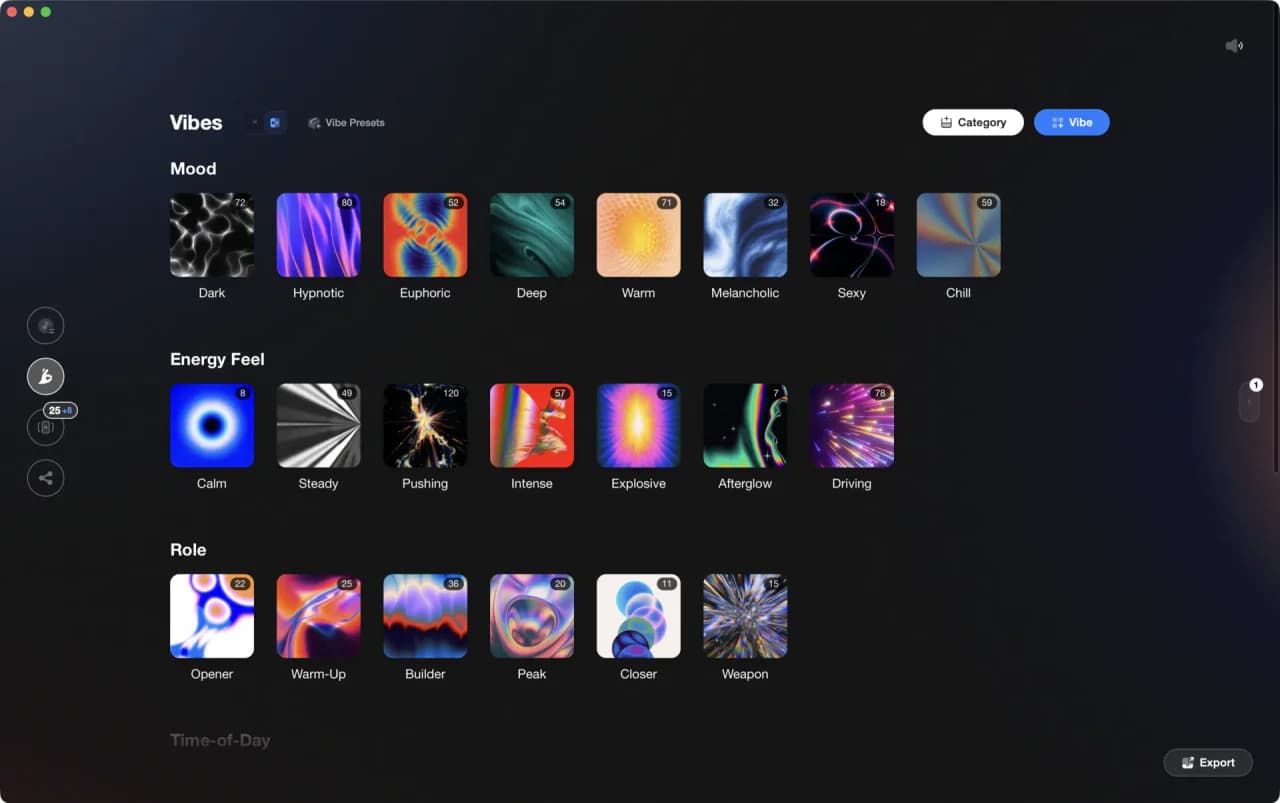
Tutorials Using Numark Mixtrack Pro II
DJ Techniques Using This Gear
See how DJs and live performers incorporate Numark Mixtrack Pro II into their workflow.

Frequently Asked Questions

Hey, it's Ben Modigell 👋
I DJ and produce as so I so: downtempo, minimal, dub house, tech house, and techno (releases on Spotify and SoundCloud, links above). Everything I write here comes from my own gigs, studio sessions, and library cleanups: the rules I follow, the failure modes I have actually hit, and the workflow I use when nobody is watching. If a technique did not earn its place in my own sets, it does not make it into a tutorial.