
Filter your crate to this range, then verify each track's beatgrid and Camelot key before you blend.
- Practical target
- 112 BPM
- Tracks shown
- 11 shown
- Track spread
- 95-134 BPM
- Inside core range
- 7 of 11
- Below · above
- 3 below · 1 above
- Median · mean
- 115 · 112 BPM
- Family
- Nu-Disco
- Evidence
- 11 tracks, 7 core examples
Counts describe the reference tracks resolved on this page, not every record in the genre. Use the BPM that makes loops, cue points, and phrase markers behave cleanly.
Next stepVibes tags a disco library by mood and energy, beyond genre, then helps design the set on a visual canvas. Vibes for disco DJs
Quick answer
What BPM is Boogie?
A DJ tempo guide for Boogie: where the core range sits, and 11 reference tracks spanning 95-134 BPM, separated into core, adjacent, and outlier records.
- DJ-ready reference
- Printable
- Methodology included
Reference tracks
Boogie Reference Tracks
Resolved Boogie tracks, verified against their beatgrids with real BPM, Camelot key, energy and length, separated by DJ fit. Click any row to open its full sonic profile.
Core Boogie examples
7 inside 105-120 BPM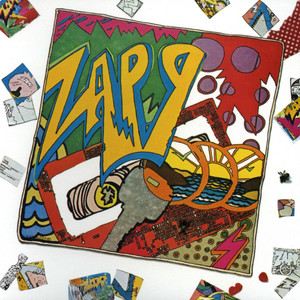
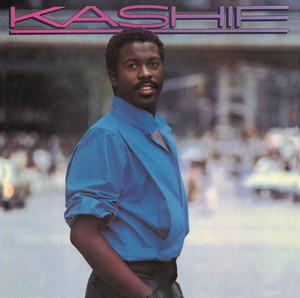
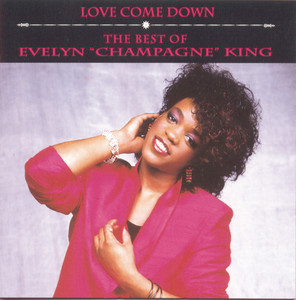
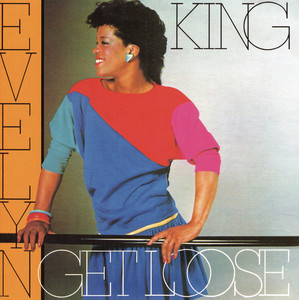

Adjacent and outlier examples
4 outside core
DJ fit notes
- The Boogie Back: Below the 105-120 BPM core range; use as a bridge record or test a doubled grid.
- Just Be Good To Me: Below the 105-120 BPM core range; use as a bridge record or test a doubled grid.
- Hood Pass Intact: Below the 105-120 BPM core range; use as a bridge record or test a doubled grid.
- Shame: Above the 105-120 BPM core range; check whether it behaves better as halftime.
Genre family
Boogie in the Nu-Disco Family
Boogie sits at 105–120 BPM as a core DJ range, with 112 BPM as a practical target for crate filtering and set planning. Viewing Boogie as a sub-genre of Nu-Disco, it sits within the broader 100–125 BPM family.
Nu-Disco BPM Reference
Nu-Disco: 100-125 BPM, typical 118 BPM.
| Genre | BPM Range | Typical BPM | Notes |
|---|---|---|---|
| Nu-Disco | 100-125 | 118 | Modern disco revival with house DNA. Live-feel basslines, strings, and four-on-the-floor warmth. Todd Terje, Daft Punk's RAM, Lindstrøm. |
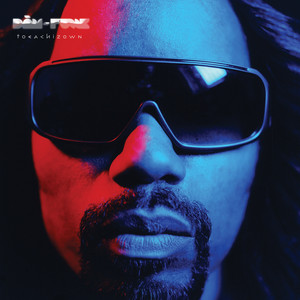
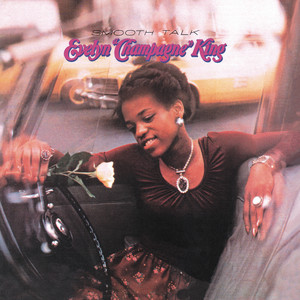
| Boogie | 105-120 | 112 | Post-disco / electro-funk hybrid from the late 1970s and early 80s. Zapp, Evelyn 'Champagne' King, Roy Ayers, Dam-Funk. Synth bass, accented 2-and-4 groove, no four-on-the-floor. |
| Disco | 100-130 | 118 | The 70s parent genre that birthed house. Live drums, strings, four-on-the-floor, soulful vocals. Donna Summer, Chic, Bee Gees. |
| Italo Disco | 110-130 | 120 | Early-80s Italian electronic disco. Synth basslines, vocoders, and futuristic vibes. Giorgio Moroder, Ryan Paris, Gazebo. |
| Future Funk | 110-130 | 120 | Vaporwave-adjacent re-edits of 70s/80s Japanese city pop, funk and disco. Yung Bae, Macross 82-99, Night Tempo, Saint Pepsi. Glossy four-on-the-floor with chopped vocal hooks. |
| Hi-NRG | 130-150 | 135 | Faster gay-club disco descendant: Patrick Cowley, Bobby O, Sylvester. Pumping octave basslines, big claps. Pre-house bridge. |
| Eurodance | 130-145 | 140 | 90s European pop-dance crossover. Female vocals + male rap formula. 2 Unlimited, Snap!, Ace of Base, Vengaboys. |
vibesdj.io/dj-tools - BPM ranges are practical DJ references, not strict genre boundaries.
Nu-Disco
Modern disco revival with house DNA. Live-feel basslines, strings, and four-on-the-floor warmth. Todd Terje, Daft Punk's RAM, Lindstrøm.
Reading the grid
How to Read Boogie BPM in DJ Software
Boogie is usually mixed around 105-120 BPM, with 112 BPM as a practical DJ target. The reference tracks on this page span 95-134 BPM, so use the grid that makes loops and phrase markers line up cleanly.
| Reading | Meaning | Action |
|---|---|---|
| 105-120 BPM | Core Boogie DJ range | Beatmatch normally, then check phrasing around intros, breaks, and drops. |
| 53-60 BPM | Halftime interpretation of the core range | Double the grid if 8-bar loops or cue points feel too slow. |
| 112 BPM | Practical target for crate filtering | Use as a starting point, then sort by energy, key, and arrangement. |
| < 105 BPM | Slower adjacent or bridge records | Treat as tempo bridges unless the grid doubles cleanly into the core range. |
| > 120 BPM | Faster outliers or double-time readings | Check whether the track behaves better as halftime before using it as a fast transition. |
DJ Overview for Boogie
Use this as a mixing and library-prep description, not an encyclopedia entry.
| Aspect | Detail |
|---|---|
| Sound palette | Accent on 2 and 4, Synth bass leads, R&B vocals, Electro-funk lineage |
| Drum feel | 105-120 BPM core range; check whether slower readings work better doubled or as halftime. |
| Arrangement and phrasing | Confirm intro, build, drop, breakdown, and outro cue points before trusting the analyzer value. |
| Energy use in a set | warmup, groove section, or crossover bridge |
| Often compared with | Nu-Disco, Disco, Italo Disco |
Mix Into Boogie
Tempo overlap is only one part of the decision. These suggestions separate BPM fit from style fit so same-tempo but unrelated genres do not look like natural transitions.
| Genre | BPM fit | Style fit | Transition |
|---|---|---|---|
| Nu-Disco100-125 BPM · typical 118 | High | High | Long blend, harmonic blend, or drop swap |
| Italo Disco110-130 BPM · typical 120 | High | High | Long blend, harmonic blend, or drop swap |
| Hi-NRG130-150 BPM · typical 135 | Low | High | Breakdown transition or tempo-reset blend |
| Disco100-130 BPM · typical 118 | High | High | Long blend, harmonic blend, or drop swap |
| Eurodance130-145 BPM · typical 140 | Low | High | Breakdown transition or tempo-reset blend |
| Future Funk110-130 BPM · typical 120 | High | High | Long blend, harmonic blend, or drop swap |
| Amapiano108-118 BPM · typical 112 | High | Medium | Short blend; verify arrangement and energy |
| Tropical House100-118 BPM · typical 110 | High | Medium | Short blend; verify arrangement and energy |
Top Artists in Boogie
Most-represented artists in the Boogie tracks shown here:
Compare Nearby Styles
Primary reference for this page.
Broader family range for planning transitions.
6 BPM faster typical tempo; useful for lifting energy.
8 BPM faster typical tempo; useful for lifting energy.
8 BPM faster typical tempo; useful for lifting energy.
Common Keys for Boogie
Most-used Camelot keys among the Boogie tracks shown here:
Got a track and no tempo for it? Drop the file into the song key and BPM finder to read its BPM and key in the browser, then place it against the Boogie ranges above.
Explore Related References
Mixing Tips
Tempo Window
Stay in the 105–120 BPM band for clean mixes; verify unknown tracks with the BPM tapper.
Harmonic Fit
Use the Camelot wheel to find compatible keys before transitioning, especially when Boogie tracks have prominent melodic content.
Tempo Bridges
When bridging into a different tempo, use the key transposer to plan how pitch change affects key, or transition during a breakdown where the beat drops.
Next Reference
Browse the EDM genre BPM chart or the music genre tree to see how Boogie relates to neighboring styles.
Typical Tempo
See tracks at the typical 112 BPM on the 112 BPM tracks page.

Hey, it's Ben Modigell 👋
I've been DJing and producing music as "so I so," focusing on downtempo, minimal, dub house, tech house, and techno. My background in digital marketing, web development, and UX design over the past 6 years helps me create DJ tutorials that are clear, practical, and easy to follow.
Methodology
Last updated
Author and Methodology
Maintained by Ben Modigell, founder of Vibes. Ben builds DJ library, preparation, BPM, and harmonic-mixing tools for working DJs.
- Data used
- 11 reference tracks
- Source
- Audio features sourced from ReccoBeats (https://reccobeats.com); track metadata via Spotify Search API. Spotify deprecated audio-features for new apps in Nov 2024. Manual label reference tracks use Beatport BPM/key metadata where available.
- Evidence
- 11 reference Boogie tracks from a 391-track dataset; 7 sit inside the core DJ range and 4 are labeled as adjacent or outlier examples.
- How this page is made
- This page is generated from the Vibes genre taxonomy, curated reference tracks, computed evidence statistics, and reference track metadata where available. AI-assisted research helped draft the taxonomy notes; the visible page is rendered from structured data and reusable page logic.
Genre BPM ranges are practical DJ references, not statistical claims about every track. Different edits, live versions, and analysis engines may report slightly different tempos.
Report a correctionThe visual way to organize your DJ library
Tag tracks by vibe. See everything at once. Export to rekordbox, Serato, Traktor or Engine DJ.
14-day free trial. Full access, no strings attached.
or see how it works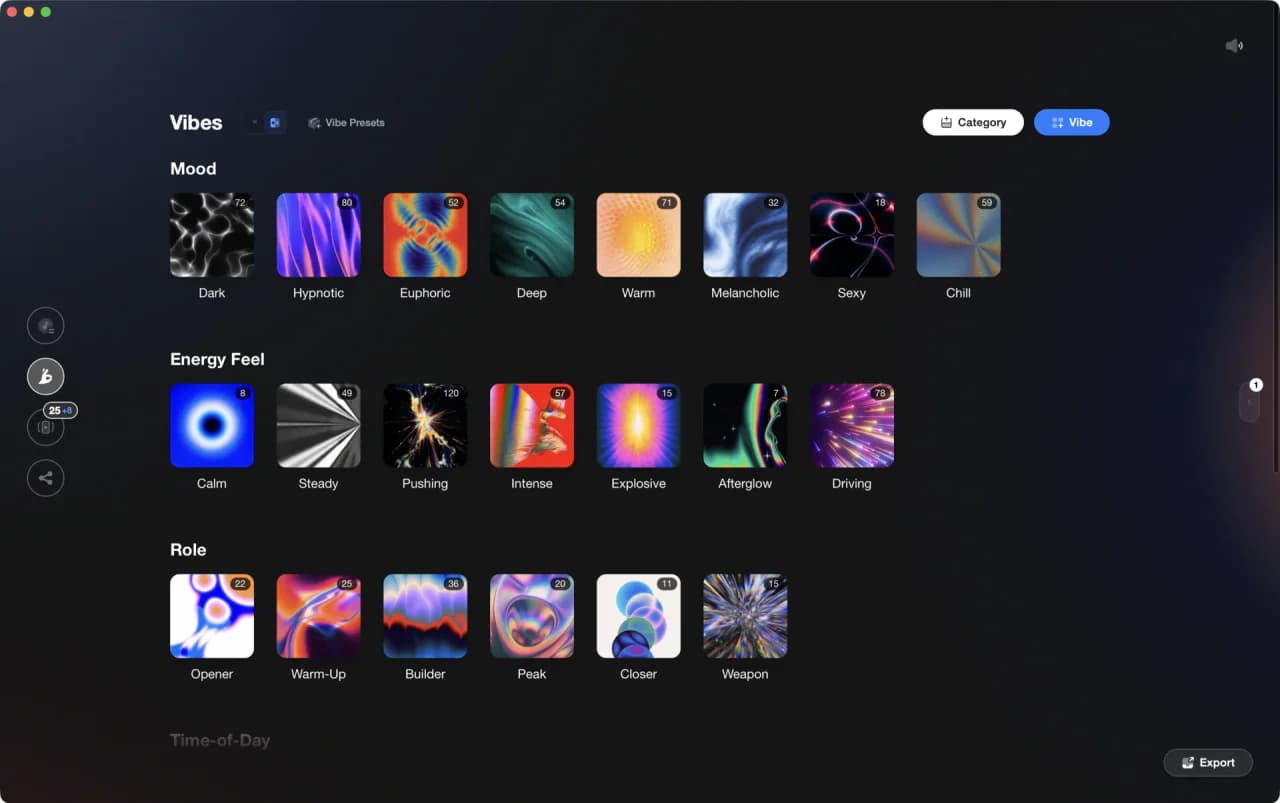
Frequently Asked Questions
Related Tools
Music Genre Tree
Complete electronic music genre taxonomy with BPM ranges
EDM Genre Chart
Interactive genre tree with BPM ranges
House Music BPM Guide
BPM ranges for house music and all sub-genres
Techno BPM Guide
BPM ranges for techno and all sub-genres
Drum & Bass BPM Guide
BPM ranges for drum and bass and all sub-genres
Trance BPM Guide
BPM ranges for trance and all sub-genres