
SYNTHO
·SYNTHOAn electronic music production learning platform and iPhone app with video courses, community features, and track feedback.

SYNTHO is best for electronic producers who want more structure than YouTube, but more scene focus than a broad online course platform. It combines artist-led tutorials, community features, and track feedback in one subscription. If you make house, minimal, garage, or techno, SYNTHO is clearly aimed at your setup.
SYNTHO Overview
SYNTHO is an electronic music education platform with an iPhone app and web membership. According to the SYNTHO official website, it offers 560+ music production courses, while the SYNTHO App Store listing describes 150+ hours of curated content plus community tools and tutor feedback.
That tells you what SYNTHO is really selling. It is not just a course library. It is trying to be a learning hub for dance music producers who want tutorials, accountability, and a place to share work.
The platform leans heavily toward electronic genres. The about page highlights house, tech house, UK garage, deep house, electro, 90s-style house, and rominimal. The FAQ also says most tutorials are taught in Ableton, though the core ideas are meant to transfer to other DAWs.
In practical terms, SYNTHO makes the strongest case for producers who already know the basics and want a clearer path. If you are deciding between scattered free tutorials and a structured paid platform, SYNTHO sits in the middle. It is more guided than YouTube, but less universal than a general music school.
Key Features
SYNTHO stands out because it mixes course depth, artist access, and feedback tools in one subscription. The feature set matters more than the app shell itself, because the real value comes from how fast you can find relevant lessons and turn them into better tracks.
- 560+ courses on the main platform, with weekly tutorial updates
- Artist-led lessons from touring producers and guest artists
- Monthly track feedback for members on qualifying plans
- Community newsfeed, direct messaging, and profile features
- Beginner courses plus deeper workflow, arrangement, and sound design content
- Subtitles in six languages
The most useful feature is the combination of structured courses and feedback. Plenty of platforms teach technique. Fewer let you submit a track and get comments back. The track feedback page says members can use monthly submissions to get detailed production critique from tutors.
The second draw is artist relevance. SYNTHO positions itself around producers who are active in the electronic scene, not generic instructors. That matters if you care about current arrangement choices, groove design, sound selection, and label-ready workflow in club-focused genres.
The app features are more functional than flashy. The App Store listing mentions tagged search, popular videos, profiles, direct messages, comments, and support tickets for requested videos. In other words, the platform is built to keep producers inside one learning environment instead of bouncing between forums, YouTube playlists, and Discord servers.
Technical Specs
SYNTHO is software, so the important specs are platform support, content scope, and membership structure rather than audio I/O. Official hardware-style specifications are limited, but the core operating details are publicly available.
| Specification | Details |
|---|---|
| Product type | Electronic music education platform and app |
| Developer | SYNTHO App ltd |
| Platform | Web platform and iPhone app |
| App size | 40.4 MB |
| Compatibility | Requires iOS 15.1 or later |
| Languages | English, French, German, Portuguese, Italian, Spanish |
| Content library | 560+ courses on website; 150+ hours listed in App Store description |
| Primary DAW focus | Ableton-centered, with concepts intended to transfer |
| Community tools | Newsfeed, comments, messaging, user profiles |
| Feedback system | Track submissions with tutor feedback on qualifying plans |
One detail worth noting is that some official numbers differ by source. The main site says 560+ courses, while the App Store copy highlights 150+ hours of content. Those claims are not contradictory, but they describe the library in different ways.
Who Is This For
SYNTHO is best for producers who already have a DAW, understand basic navigation, and want better results in electronic genres. It is less about teaching music from zero and more about helping you turn incomplete ideas into stronger club-ready tracks.
The sweet spot is the intermediate producer. If you already use Ableton, watch tutorials, and know where your weak spots are, SYNTHO makes sense. You get a more guided path than free content and more genre specificity than many broad learning platforms.
Beginners can still use it. The site includes beginner courses, and the FAQ says the platform supports all levels. But the pricing and scene-specific focus mean complete newcomers should first be sure they actually want electronic production, not just general music theory or casual beatmaking.
It is a weaker fit if you need deep training in recording bands, film scoring, or hardware-focused sound design. It is also not ideal if you prefer one-time purchases over recurring subscriptions. If that sounds like you, a broader music production learning platform or a focused Ableton course guide may fit better.
In Practice
In daily use, SYNTHO appears designed around speed. Search, tagged content, popular videos, and community tabs all reduce the friction of finding a lesson, trying it in your DAW, and moving on. That matters more than slick branding.
The strongest workflow benefit is concentration. Instead of juggling scattered tutorials, comments, and private notes, you can keep the educational loop inside one place. Watch a tutorial, apply it, upload a draft, ask for feedback, and compare ideas with other users.
That said, the user experience is only as good as the consistency of new content and feedback delivery. This is where public sentiment becomes mixed. In a community discussion on SYNTHO, some users praised the quality of artist tutorials and the clarity they got from paid lessons, while others reported missing feedback tokens and slower-than-expected updates.
That mix is important. It does not automatically make the service weak, but it does change the buying decision. If you subscribe mainly for track feedback, verify the current plan terms carefully. If you subscribe for the course library alone, the value case looks more stable.
From a club-production perspective, the concept is sound. What holds up in a dark, busy booth is reliability and quick, readable control, not a long spec sheet. SYNTHO's appeal is similar. The useful part is not novelty. It is having structured lessons and feedback close to your actual workflow.
Pros and Cons
SYNTHO gets a lot right for the producer who wants scene-specific education. It also has a few clear tradeoffs, mostly around pricing and subscription expectations.
Pros
- Focused on electronic music instead of generic production.
- Strong artist-led positioning.
- Structured courses plus community tools.
- Feedback system adds practical value.
- Ableton-centered content suits a large share of dance producers.
Cons
- -Expensive compared with many course subscriptions.
- -Recurring billing may not suit casual users.
- -Public user feedback on response speed and feedback tokens is mixed.
- -Less useful if you work outside electronic genres or outside the Ableton orbit.
Price and Value
SYNTHO is priced like a serious subscription, not a casual add-on. The official site lists a 7-day trial at £9.99, then £69.99 per month, £129.99 billed quarterly, or £399.99 billed annually. Verified public USD and EUR pricing was not clearly listed on the official pages reviewed.
That monthly price puts SYNTHO in a tougher value category. If you use it intensely for one or two months, it can make sense. If you subscribe casually and only watch a few videos, it gets expensive fast.
The best-value user is someone who will actually use the ecosystem. That means watching multiple courses, joining the community, and submitting tracks. If you only want occasional tutorials, free channels or one-time products will likely stretch further.
This also explains why alternatives matter. A platform like Syntorial alternatives teaches different skills at a different depth, while a best music production courses roundup may reveal cheaper paths if feedback is not your priority. SYNTHO works when you want niche electronic education and are willing to pay for an all-in-one environment.
Alternatives
The best alternative depends on what you actually need. If you want synthesis skills, choose one path. If you want artist workflow breakdowns, choose another. If you want community accountability, compare membership structure first.
| Product | Price | Key Difference |
|---|---|---|
| Syntorial | Varies | Focused on synth programming and ear training rather than artist-led scene tutorials |
| Producertech | Varies | Broader training library with less underground electronic branding |
| MasterClass music courses | Varies | Polished celebrity instruction, but less day-to-day feedback and workflow community |
Bottom Line
SYNTHO is a focused learning platform for electronic producers who want more than a random stack of tutorials. Its strongest advantages are scene relevance, structured lessons, and the promise of feedback inside one system.
It is easiest to recommend to intermediate Ableton users making house, minimal, garage, or techno. For that audience, SYNTHO solves a real problem. It shortens the distance between watching, applying, and improving.
The main caution is price. At £69.99 per month, the platform needs regular use to justify itself. If you will engage with courses, community, and track feedback, the value can be real. If you only want occasional tips, cheaper options make more sense.
The visual way to organize your DJ library
Tag tracks by vibe. See everything at once. Export to rekordbox, Serato, Traktor or Engine DJ.
14-day free trial. Full access, no strings attached.
or see how it works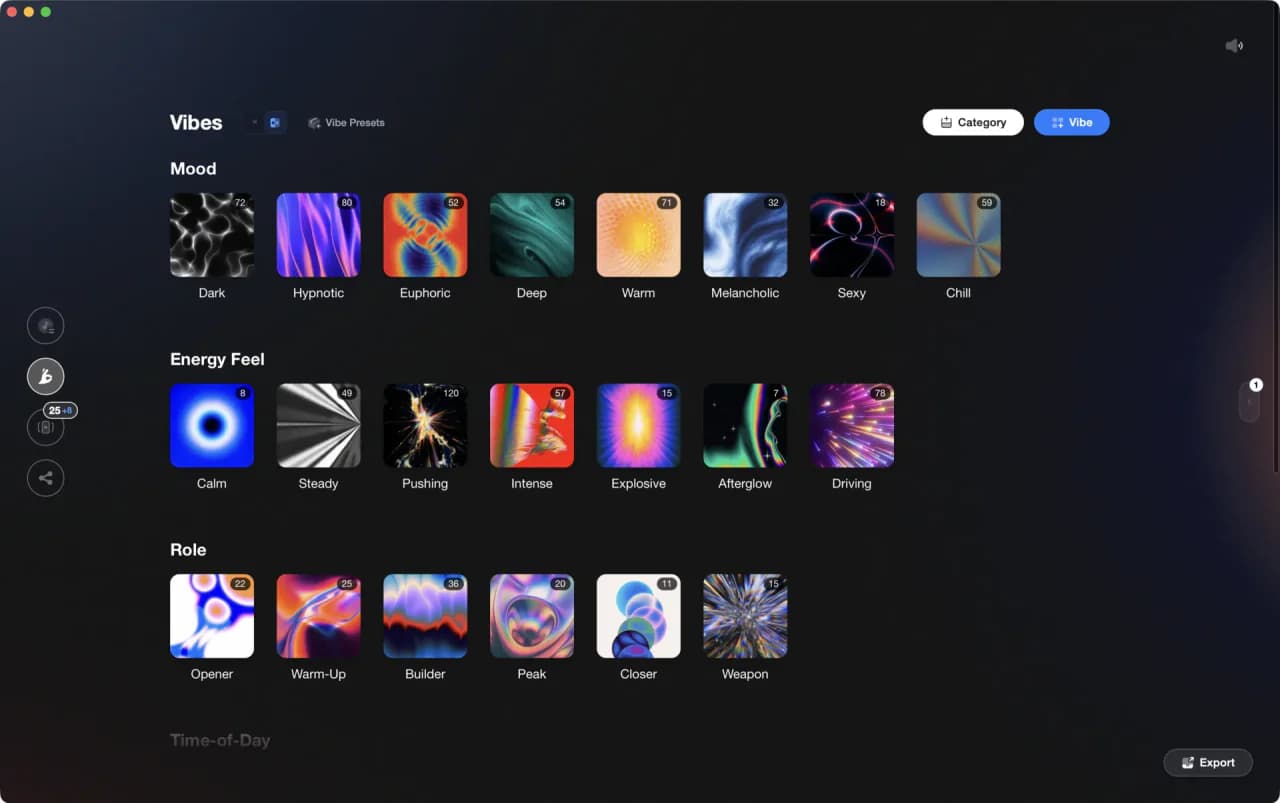
Tutorials Using SYNTHO
DJ Techniques Using This Gear
See how DJs and live performers incorporate SYNTHO into their workflow.
Frequently Asked Questions

Hey, it's Ben Modigell 👋
I DJ and produce as so I so: downtempo, minimal, dub house, tech house, and techno (releases on Spotify and SoundCloud, links above). Everything I write here comes from my own gigs, studio sessions, and library cleanups: the rules I follow, the failure modes I have actually hit, and the workflow I use when nobody is watching. If a technique did not earn its place in my own sets, it does not make it into a tutorial.