
Cockos REAPER
·CockosA lightweight, deeply customizable digital audio workstation for recording, editing, mixing, MIDI production, and post work on Windows, macOS, and Linux.

Cockos REAPER is for people who want a serious DAW without paying flagship money. It records, edits, mixes, handles MIDI, and even supports video work. The big draw is flexibility. REAPER gives you deep routing, broad plug-in support, and a lightweight install that runs on Windows, macOS, and Linux.
REAPER Overview
Cockos REAPER is a full digital audio workstation built for recording, editing, mixing, MIDI sequencing, and post production. It suits users who value speed, low system load, and control over workflow more than flashy stock content or polished presets.
If you are deciding whether Cockos REAPER is right for your setup, the main question is simple. Do you want a DAW that bends to your process, or one that tries to lead it?
REAPER has been around since 2006, and it is still updated aggressively. As of April 21, 2026, Cockos lists REAPER v7.69 on the official site, with a 60-day fully functional evaluation and a discounted license at $60. A commercial license costs $225, and both licenses include free upgrades through version 8.99.
That pricing changes the buying decision. You are not choosing between a free toy and a pro tool. You are choosing between a low-cost DAW that asks for more setup time, and pricier DAWs that feel more curated from day one.
Experienced practitioners typically find that REAPER works best when routing, editing precision, and customization matter more than bundled instruments. If your work is tracking bands, editing podcasts, cutting dialog, or building a lean production laptop, REAPER makes immediate sense.
Cockos REAPER Features
Cockos REAPER stands out for flexibility, efficiency, and compatibility. Its feature set is broad enough for professional work, but the real advantage is how much of the software you can reshape around your own habits.
The first standout is routing. REAPER treats tracks in a very open way, so audio, MIDI, buses, folders, and sidechains are easier to build than in more rigid DAWs. This matters in practice because unusual setups do not feel like hacks.
The second is customization. You can remap actions, build macros, install scripts, change themes, and tailor menus and toolbars. That makes REAPER especially attractive if you want a workspace built around editing speed, live recording, or post workflows rather than a fixed factory layout.
Third is plug-in support. According to the REAPER official technical overview, it supports VST, VST3, LV2, CLAP, JSFX, plus AU on macOS and DX on Windows. That range is wider than many mainstream DAWs, and it helps if your setup mixes older tools with newer plug-in formats.
The software also stays light. MusicRadar highlighted REAPER's low footprint and strong value long ago, and that still reflects the current product well. The installer is tiny by DAW standards, and the app stays responsive on modest systems.
The tradeoff is clear. REAPER includes useful effects, but it does not compete with Logic, Ableton Suite, or Studio One on bundled instruments and built-in sound libraries. If you rely on stock synths and drag-and-drop inspiration, Ableton Live 12 Intro or PreSonus Studio One Pro 7 may feel more inviting at first.
Technical Specs
REAPER is software, so the key specifications are platform support, plug-in compatibility, licensing terms, and workflow depth. The official documentation is clear on those points, even though physical dimensions and hardware-style measurements do not apply.
| Specification | Details |
|---|---|
| Developer | Cockos |
| Type | Digital audio workstation |
| Platforms | Windows, macOS, Linux |
| Main tasks | Recording, MIDI, editing, mixing, mastering, video work |
| Plug-in formats | VST, VST3, LV2, CLAP, JSFX, AU on macOS, DX on Windows |
| Evaluation | 60-day fully functional trial |
| Discounted license | $60 |
| Commercial license | $225 |
| Current upgrade window | Free upgrades through version 8.99 |
| Current official version seen | v7.69 on April 12, 2026 |
One practical detail matters more than it seems. Cockos sells one version of REAPER, not a cut-down edition and a pro edition. The price changes by usage, not features. That keeps the software unusually accessible for freelancers, small studios, and education users.
Who Is This For
Cockos REAPER is best for users who want capability and control at a low price. It works especially well for engineers, editors, and producers who are happy to spend some time shaping their environment.
It is a strong fit for recording musicians. The routing is deep, the editing is precise, and the software is stable on a wide range of systems. It also makes sense for podcasters, voiceover editors, and post users who need clean editing tools more than instrument-heavy composition tools.
It also suits budget-conscious producers who already own plug-ins. If you have your own virtual instruments, your own sample library, and a clear workflow, REAPER gives you pro-level headroom without forcing a large upfront spend.
Beginners can use REAPER, but they should be honest about what they want. If you want a guided creative experience with lots of stock sounds, REAPER can feel sparse. If you want to learn signal flow, editing, and routing properly, it can be a great teacher.
It is less ideal for users who want a polished loop-first workflow out of the box. In that case, Bitwig Studio or an Ableton-focused setup may get you moving faster.
In Practice
In daily use, REAPER feels fast and direct. Projects open quickly, editing tools stay close at hand, and the software does not waste much screen space. That speed is one reason long-term users stay with it.
The workflow becomes stronger as you customize it. Out of the box, the interface is functional rather than elegant. After some setup, it can become one of the most efficient DAWs available.
In practice, what matters in a live booth is reliability, fast recovery, and low-light readability, not marketing extras. In low-light, time-sensitive situations, fast editing, dependable routing, and clear customization beat glossy stock tools every time.
That said, REAPER does ask more from you at the start. Menus run deep. Options are extensive. You can shape almost everything, which means you also need to decide how much shaping you want to do.
For audio-first work, the payoff is excellent. For songwriting with lots of virtual instruments, the experience depends more on your third-party ecosystem. REAPER provides the frame. You bring much of the color.
In other words, REAPER is not the DAW that sells itself with included instruments. It sells itself with speed, depth, and the ability to fit unusual workflows.
Pros and Cons
Cockos REAPER offers unusual value, but it is not the easiest DAW to love on first launch. Its strengths are deep and practical. Its weaknesses are mostly about presentation and out-of-box inspiration.
Pros
- Excellent value.
- Full feature set at a low entry price.
- Deep routing and editing.
- Strong plug-in support.
- Cross-platform, including Linux.
- Frequent updates.
- Highly customizable for recording, mixing, and post.
Cons
- -Sparse stock instruments.
- -Default interface feels technical.
- -Better after setup than at first launch.
- -Some users will prefer a more guided workflow for electronic production and songwriting.
Price and Value
Cockos REAPER is one of the best-value DAWs on the market. The discounted license is $60, the commercial license is $225, and both unlock the same software with free upgrades through version 8.99.
That makes REAPER cheaper than most serious alternatives. Ableton Live 12 Intro is listed at $99, while PreSonus Studio One Pro 7 is listed at $199.99 on the official site. Bitwig's older 16-Track tier is no longer sold new, which makes REAPER even more relevant as a low-cost full DAW.
The key point is that REAPER is not cheap because it is limited. It is cheap because Cockos uses a different business model. You still need to budget for instruments, samples, or specialist plug-ins if those matter to your work.
So is it worth it? Yes, for recording, editing, mixing, post, and custom workflows. Less so if you want a DAW that feels creatively complete without extra tools.
Alternatives
The best alternative depends on what REAPER does not give you. Most buyers are choosing between lower cost and flexibility on one side, and better stock content or more guided workflow on the other.
| Product | Price | Key Difference |
|---|---|---|
| Ableton Live 12 Intro | $99 | Better for loop-based creation and live workflow, but capped at 16 tracks |
| Bitwig Studio 16-Track | Not sold new | Modern modulation and clip launcher workflow, but discontinued as a new entry tier |
| PreSonus Studio One Pro 7 | $199.99 | More polished stock tools and easier onboarding, but far higher cost |
If you need a more performance-focused environment, Ableton is the obvious comparison. If you want cleaner onboarding and broader stock content, Studio One is easier to recommend. If you want maximum flexibility for the money, REAPER still leads.
Setup and Getting Started
REAPER is easy to install, but getting the best from it takes a few deliberate steps. Start with your audio device settings, shortcut preferences, and default project template before you judge the workflow.
New users should set up an audio interface first, choose a theme they can read quickly, and save a template with their usual track layout. That single step makes REAPER feel much less clinical.
Then check plug-in paths and basic actions. REAPER rewards small setup choices early. The result is a workspace that feels personal instead of generic.
Bottom Line
Cockos REAPER is not the prettiest DAW, and it is not the most generous with stock instruments. It is, however, one of the smartest software buys in music production.
You get a lightweight, mature, deeply customizable DAW with serious routing, strong editing, and wide platform support. That makes it easy to recommend for studios, freelancers, post users, and producers who already know what tools they want around it.
If your priority is value, control, and long-term flexibility, REAPER is easy to justify. If your priority is instant inspiration from built-in content, compare it with more curated options before you commit.
The visual way to organize your DJ library
Tag tracks by vibe. See everything at once. Export to rekordbox, Serato, Traktor or Engine DJ.
14-day free trial. Full access, no strings attached.
or see how it works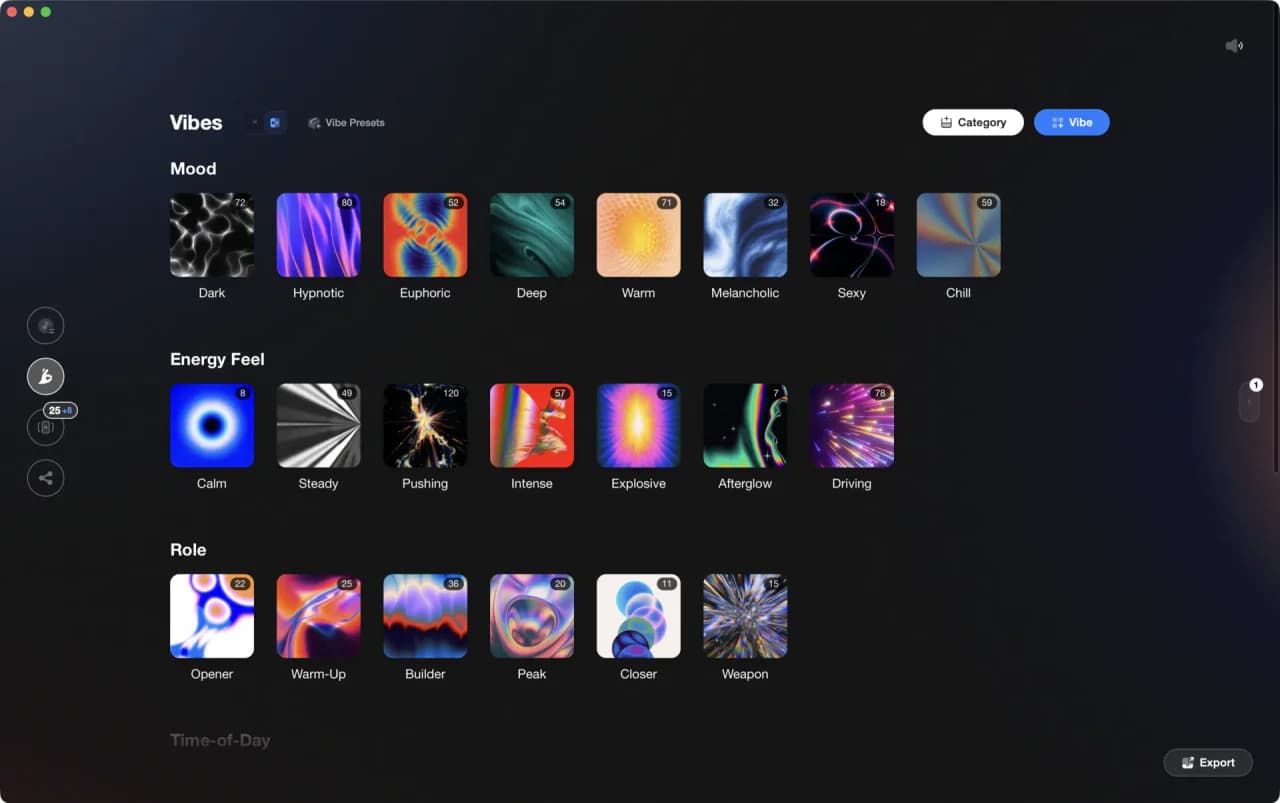
Tutorials Using Cockos REAPER

DJ Techniques Using This Gear
See how DJs and live performers incorporate Cockos REAPER into their workflow.




Frequently Asked Questions

Hey, it's Ben Modigell 👋
I DJ and produce as so I so: downtempo, minimal, dub house, tech house, and techno (releases on Spotify and SoundCloud, links above). Everything I write here comes from my own gigs, studio sessions, and library cleanups: the rules I follow, the failure modes I have actually hit, and the workflow I use when nobody is watching. If a technique did not earn its place in my own sets, it does not make it into a tutorial.