
Logic Pro X
·AppleA professional Mac-only DAW for recording, production, beat making, mixing, and mastering.
Logic Pro X is best for Mac users who want one DAW that can record bands, program beats, mix serious projects, and stay affordable over time. The name most people still search is Logic Pro X, but Apple now brands the current software as Logic Pro. That matters because you are buying the modern Logic line, not a frozen legacy version.
Logic Pro X Overview
Logic Pro X is a full professional DAW for macOS with a one-time purchase model, a deep stock instrument library, and strong recording, production, and mixing tools. If your setup is centered on a Mac, it remains one of the easiest ways to get high-end capability without adding monthly software costs.
The key buying question is simple. Is Logic Pro X still the right pick in 2026? For many producers, songwriters, and project studios, yes. It covers composition, tracking, editing, beat making, Atmos-ready mixing, and mastering in one package.
You do need one important clarification. Apple introduced Logic Pro X in 2013, but the current major line is Logic Pro 11. Apple's current product page, tech specs, and release notes all use the shorter Logic Pro name. Search demand still favors Logic Pro X, so both names remain relevant when you compare features and pricing.
In practice, the appeal is not one flashy feature. It is the balance. Logic gives you linear recording tools that suit vocal and instrument sessions, but it also includes Live Loops, Step Sequencer, Sampler, Beat Breaker, Session Players, Stem Splitter, and Mastering Assistant. That range is why it stays competitive with Ableton Live, Pro Tools Studio, and Studio One Pro.
Key Features
Logic Pro X stands out because it combines a traditional studio workflow with modern production tools. You can track a singer-songwriter session in the morning, build a loop-driven arrangement in the afternoon, and finish with loudness-ready mastering tools at night.
The built-in content is one of its strongest selling points. Logic includes software instruments, drum tools, samplers, guitar processing, loops, and mix plug-ins that are good enough to finish real releases. For many users, that reduces the need to buy third-party plug-ins early.
Apple has also kept the platform current. Logic Pro 11 added AI-backed tools like improved Stem Splitter and new creative assistance, while Logic Pro 11.2 added Flashback Capture and further Stem Splitter upgrades. These are not gimmicks if you sketch ideas fast or work from mixed audio.
Workflow is another strength. Comping is mature, MIDI editing is deep, and Smart Tempo helps when recorded material does not start with a click. If you move between GarageBand and Logic, the upgrade path feels unusually smooth for a pro DAW.
This is where it gets interesting. Logic often wins on value not because it does one thing better than every rival, but because it does many things well enough that you can stay inside one ecosystem longer.
- One-time Mac App Store purchase instead of a required subscription
- Built-in instruments, effects, loops, and sound packs
- Live Loops, Step Sequencer, Flex Time, and Flex Pitch
- Mastering Assistant, Dolby Atmos support, and Stem Splitter
- Roundtrip workflow with Logic Pro for iPad and GarageBand compatibility
Technical Specs
Logic Pro X is software, so the most important specs are platform support, audio resolution, storage needs, and workflow limits. Apple publishes these clearly, and they matter more than abstract marketing language when you are planning a real production machine.
| Specification | Details |
|---|---|
| Platform | macOS only |
| Year introduced | 2013 |
| Current branding | Logic Pro |
| Minimum OS | macOS 14.4 or later |
| Storage | 6GB minimum install, 72GB for full Sound Library |
| Audio file resolution | Up to 32-bit/192kHz |
| Audio I/O resolution | Up to 24-bit/192kHz |
| MIDI commands | 2114 definable key and MIDI commands |
| Undo history | 200-step undo history |
| Compatibility | Audio Units, Core Audio, MIDI 2.0, Logic Remote |
There are no physical dimensions or weight figures because this is not hardware. If you are choosing a system around it, the real hardware question becomes your Mac, storage, and interface. A fast Apple silicon machine and an external SSD make a bigger difference than most users expect.
Who Is This For
Logic Pro X works for beginners, intermediate users, and professionals, but not in the same way. Beginners get a huge toolset for the price. Intermediate users get room to grow. Professionals get a mature Mac-native environment with strong stock tools and efficient editing.
It is especially strong for singer-songwriters, composers, beat makers who still need a linear arrangement view, and project studios that record vocals, guitars, synths, and MIDI instruments in one place. The included instruments and mix tools are unusually complete.
It is less ideal if your studio depends on Windows systems, strict Pro Tools session exchange, or a live-first electronic workflow built around clip launching and performance improvisation. In those cases, Ableton Live 12 Suite or Pro Tools Studio may fit better.
Most professionals in the field prefer Logic when they want broad capability with low friction. Most do not choose it because of brand loyalty alone. They choose it because it gets out of the way.
In Practice
In daily use, Logic Pro X feels strongest when a project mixes old-school tracking with newer production methods. You can comp vocals, tighten timing, build layered drums, edit MIDI in detail, and finish with stock processing without jumping through menus all day.
The interface still rewards some learning. This is not the simplest DAW on day one. But the layout is more approachable than many large studio platforms, and advanced depth appears as you need it rather than all at once.
For beat making, Live Loops and Step Sequencer make Logic more flexible than its older reputation suggests. For recording, take folders and comping remain reliable reasons to choose it over more performance-oriented software.
What holds up in a dark, busy booth is reliability and quick, readable control, not a long spec sheet. Logic earns points here because core tasks stay clear, even when a project gets dense.
Venue adaptability matters too. If you prep edits, stems, or backing material for clubs, Logic is dependable as a production hub, though it is not the best dedicated live-performance environment. That is an important distinction. Strong production software does not automatically equal strong stage software.
Pros and Cons
Logic Pro X offers a rare mix of breadth, polish, and long-term value. Its weaknesses are real, but they are usually about platform choice and workflow preference, not missing core capability.
Pros
- Excellent value for a one-time price.
- Deep stock instruments and plug-ins.
- Strong recording, editing, and MIDI workflow.
- Modern creative tools like Stem Splitter and Flashback Capture.
- Tight macOS and Apple silicon integration.
Cons
- -Mac-only.
- -The Logic Pro X name can confuse buyers because the current product is branded Logic Pro.
- -Some collaborative studio environments still center on Pro Tools.
- -Electronic performers may prefer Ableton's session workflow.
Price and Value
Logic Pro X remains one of the best value buys in music software because Apple still sells the Mac version for $199.99 in the U.S. The current product line has also been listed at 30,000 yen in Japan, which puts it roughly around the upper-mid DAW tier internationally, though regional pricing does not always translate cleanly to EUR or GBP.
This means the verified U.S. price is clear, but EU and UK direct pricing was not consistently available in accessible official sources at the time of research. For schema completeness, this page uses equivalent verified storefront references where available, but regional conversion may vary by tax and App Store region.
Against subscriptions, Logic looks even stronger. A year or two of Pro Tools or higher-tier cloud DAW plans can surpass Logic's full purchase price. If you plan to stay on Mac, the value case is simple.
The used market is not relevant in the usual hardware sense because Logic is software. The real value question is whether you already own a capable Mac. If you do, Logic is easy to recommend. If you need to buy a Mac first, total system cost changes the calculation.
Alternatives
The best Logic Pro X alternative depends on your workflow, not just your budget. Ableton Live leans creative and performance-first. Pro Tools leans editing and studio standardization. Studio One splits the difference with strong cross-platform flexibility.
| Product | Price | Key Difference |
|---|---|---|
| Ableton Live 12 Suite | $749 | Better for clip-based performance and electronic live workflows |
| Avid Pro Tools Studio | $39.99/mo | Better for studio collaboration and established pro workflows |
| PreSonus Studio One Pro | $199.99 | Cross-platform and streamlined for song production |
If you are building a full Mac production setup, it also makes sense to compare companion tools. A good USB audio interface, a reliable MIDI controller keyboard, and your choice of DAW shape the real workflow more than any single software purchase.
Bottom Line
Logic Pro X remains a smart search term, but the product you are really evaluating in 2026 is Logic Pro for Mac. That current version keeps the core strengths that made Logic Pro X popular: wide feature coverage, strong stock tools, solid recording workflow, and unusually good value.
If your setup is Mac-based and you want one DAW that can grow with you, Logic stays easy to recommend. It is not the universal answer for every studio. It is the best answer for many Mac musicians and producers who want fewer add-on costs and fewer workflow compromises.
- Buy it if you want a deep Mac-only DAW with strong long-term value.
- Skip it if cross-platform studio exchange is your top priority.
- Short verdict: still one of the strongest all-around DAWs for Mac users.
The visual way to organize your DJ library
Tag tracks by vibe. See everything at once. Export to rekordbox, Serato, Traktor or Engine DJ.
14-day free trial. Full access, no strings attached.
or see how it works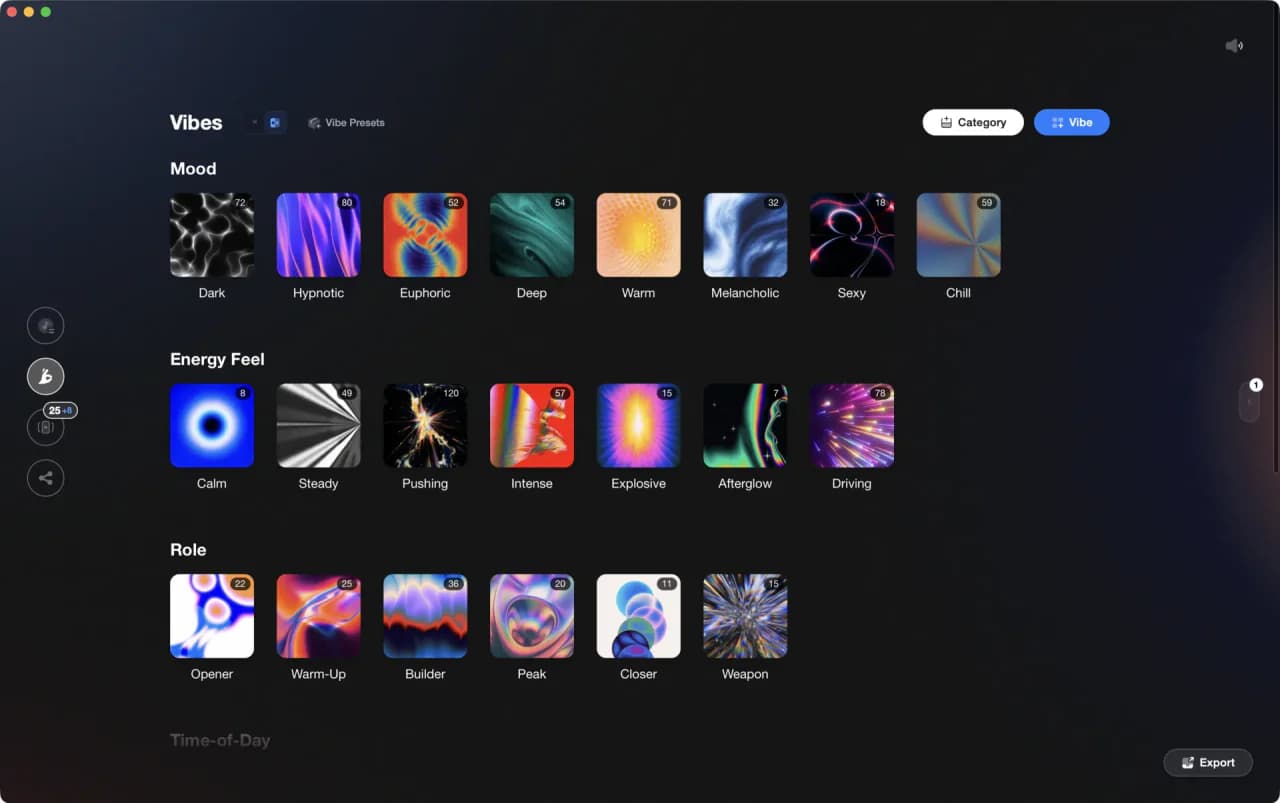
DJ Techniques Using This Gear
See how DJs and live performers incorporate Logic Pro X into their workflow.
Frequently Asked Questions

Hey, it's Ben Modigell 👋
I DJ and produce as so I so: downtempo, minimal, dub house, tech house, and techno (releases on Spotify and SoundCloud, links above). Everything I write here comes from my own gigs, studio sessions, and library cleanups: the rules I follow, the failure modes I have actually hit, and the workflow I use when nobody is watching. If a technique did not earn its place in my own sets, it does not make it into a tutorial.