Trance BPM Chart
Quick answer
What is the Trance BPM range?
A visual BPM chart for Trance and its 21 sub-genres: compare tempo bands side by side, spot where ranges overlap, and pick mixing partners before planning transitions.
- DJ-ready reference
- Printable
- Methodology included
Trance BPM Reference
Trance: 128-150 BPM, typical 138 BPM.
| Genre | BPM Range | Typical BPM | Notes |
|---|---|---|---|
| Trance | 128-150 | 138 | Hypnotic melodies, euphoric builds, and extended breakdowns. Designed to induce a trance-like state through repetition and emotional progression. |
| Balearic Trance | 118-128 | 124 | Sun-drenched, slower trance born from Ibiza's Café del Mar/Pacha sunset sets. Eclectic, melodic, and uplifting without the BPM. Chicane, Way Out West. |
| Progressive Trance | 128-136 | 132 | Slower, deeper trance with gradual builds and subtle evolution. Less euphoric peaks, more groove and texture. Sasha & Digweed, Hernan Cattaneo. |
| Zenonesque | 126-140 | 132 | Australian-pioneered, left-field strain of progressive psytrance championed by Zenon Records. Sensient, Krumelur, Globular. Cerebral, jazzy, head-nod psychedelia over peak-time bombast. |
| Dream Trance | 130-140 | 135 | Mid-90s Italian trance built on dreamy piano leads and emotional progressions. Robert Miles' 'Children' archetype, BBE, Zhi-Vago. |
| Progressive Psytrance | 130-140 | 135 | Slower, hypnotic psytrance focused on groove and gradual development. Liquid Soul, Ace Ventura, Vibrasphere, Atmos. The Swedish-born stripped-down side of psy. |
| Uplifting Trance | 136-142 | 138 | The classic trance sound: soaring melodies, big breakdowns, and euphoric drops that define the genre's emotional peak. Aly & Fila, Above & Beyond, Ferry Corsten. |
| Vocal Trance | 132-140 | 138 | Trance with foregrounded vocal performances. Dash Berlin, Tiësto's early-2000s output, ATB. Pop crossover potential. |
| Tech Trance | 135-145 | 140 | Merges trance's melodic elements with techno's driving, percussive energy. Harder edge than classic trance. Simon Patterson, Sean Tyas, Will Atkinson. |
| Acid Trance | 135-145 | 140 | TB-303-driven trance: squelchy acid lines weaving through trance arrangements. Hardfloor, Union Jack, Trance Wax. |
| Orchestral Uplifting | 138-142 | 140 | Cinematic, symphonic uplifting trance: orchestral string sections, choir layers, and film-score builds. Andy Blueman, Soundlift, Activa. |
| Psybreaks | 130-150 | 140 | Psytrance hybridised with breakbeat drum patterns. Hyper-Frequencies, Tickle, Shanka, BSE. Mostly 130-140 BPM with broken kicks instead of 4/4. |
| Hard Trance | 140-150 | 145 | Faster, harder trance: distorted hoover synths, pumping kicks, and hard-rave energy. Kai Tracid, Dumonde, Cosmic Gate's early sound. |
| Psytrance | 140-150 | 145 | Psychedelic trance with driving basslines, layered textures, and mind-bending sound design. Born from Goa trance. |
| Goa Trance | 140-150 | 145 | The original psychedelic trance from Goa, India. Layered acid lines, organic textures, and spiritual energy. Astral Projection, Infected Mushroom's early work. |
| Full-On Psytrance | 140-148 | 145 | Melodic, energetic Israeli/Brazilian psytrance variant. Vini Vici, Astrix, Infected Mushroom mainstream era. The festival-friendly face of psy. |
| Forest / Dark Psytrance | 145-160 | 148 | Dark, organic, woodland-mood psytrance with rolling acid basslines. Kindzadza, Para Halu, Terrafractyl. The opposite end from Full-On. |
| Twilight Psytrance | 144-156 | 150 | Mid-tempo, melodic-but-edgy psytrance for the hours between night and dawn. Loud, Spectro Senses, Earthling. Sits between progressive psy and full-on with darker grooves. |
| Nitzhonot | 145-155 | 150 | Israeli melody-forward Goa offshoot from the late 1990s. Eyal Barkan, Holy Men, Astral Projection's brighter side. 'Victories' in Hebrew: celebratory, anthem-driven psytrance. |
| Suomisaundi | 140-160 | 150 | Finnish freeform psy: chaotic, irreverent, sample-collage psytrance. Squaremeat, Texas Faggott, Haltya. The DIY weirdo cousin of Goa. |
| Darkpsy | 148-160 | 152 | Heavier end of psytrance with relentless 4/4 kicks, rolling sub-bass, and dense FM/acid textures. Kindzadza, Bog, Penta. Robotic and chromatic where forest is organic and natural. |
| Hi-Tech Psytrance | 170-220 | 200 | Ultra-fast, experimental psytrance pushing tempo and sound design to extremes. Bizzare Contact, Outsiders, Furious, Para Halu. Glitchy, technical, often blurring with speedcore at the upper end. |
vibesdj.io/dj-tools - BPM ranges are practical DJ references, not strict genre boundaries.
Trance
Hypnotic melodies, euphoric builds, and extended breakdowns. Designed to induce a trance-like state through repetition and emotional progression.
Sub-genre tempo spectrum
21 styles- Core DJ range
- 128–150 BPM
- Practical target
- 138 BPM
- Track spread
- 80–140 BPM
- Track evidence
- View 40 reference tracks
Chart ranges are DJ planning references. Check the grid and phrase markers on the exact track edit before mixing.
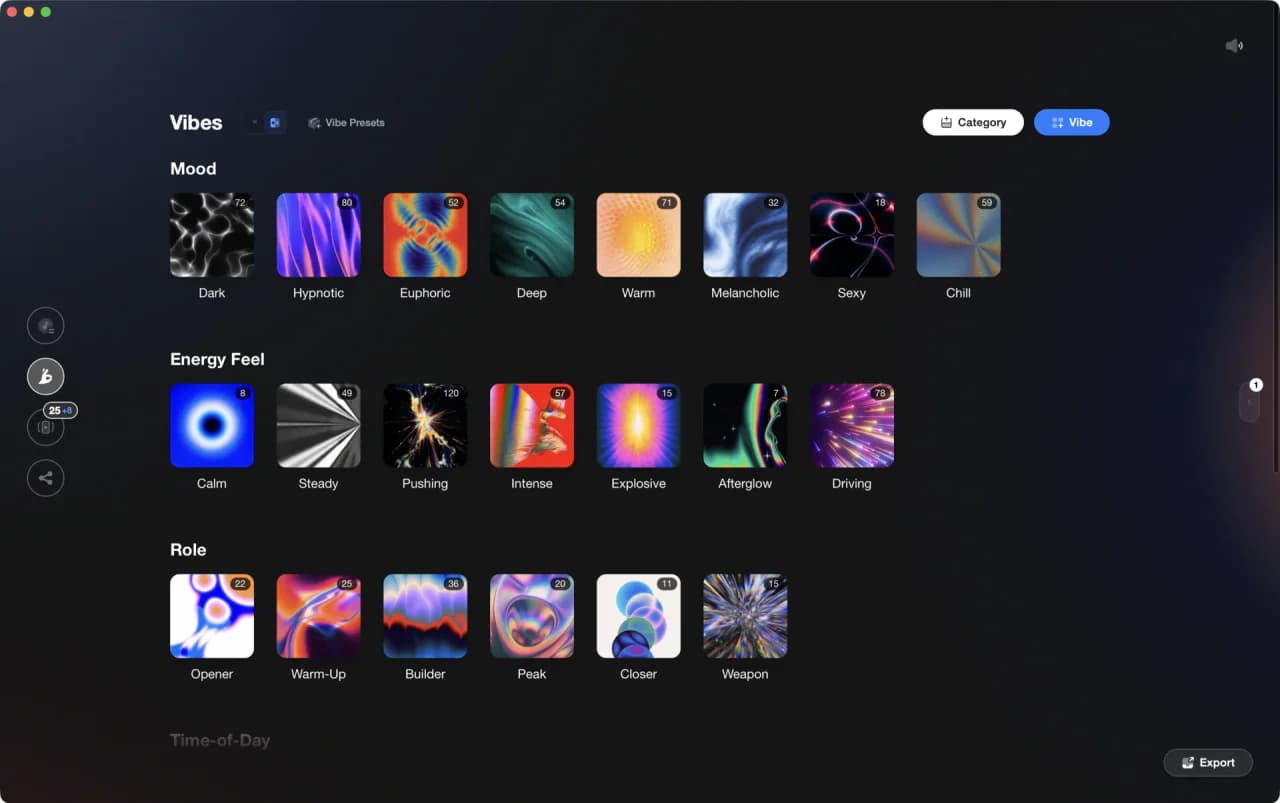
Next stepVibes tags a trance library by mood and energy, beyond genre, then helps design the set on a visual canvas. Vibes for trance DJs
About Trance BPM
Hypnotic melodies, euphoric builds, and extended breakdowns. Designed to induce a trance-like state through repetition and emotional progression. The core DJ range spans 128-150, with 138 BPM as a practical target. Sub-genres split the parent genre into narrower tempo bands, which is why this chart is more useful than one number alone.
Working the other way round? Drop a file into the song key and BPM finder to find the BPM of a song, then place it against the Trance ranges above.
Reading the grid
How to Read Trance BPM in DJ Software
Trance is usually mixed around 128-150 BPM, with 138 BPM as a practical DJ target. The reference tracks on this page span 80-140 BPM, so use the grid that makes loops and phrase markers line up cleanly.
| Reading | Meaning | Action |
|---|---|---|
| 128-150 BPM | Core Trance DJ range | Beatmatch normally, then check phrasing around intros, breaks, and drops. |
| 64-75 BPM | Halftime interpretation of the core range | Double the grid if 8-bar loops or cue points feel too slow. |
| 138 BPM | Practical target for crate filtering | Use as a starting point, then sort by energy, key, and arrangement. |
| < 128 BPM | Slower adjacent or bridge records | Treat as tempo bridges unless the grid doubles cleanly into the core range. |
Track Evidence
This rail separates the core DJ range from the tracks shown here, so the page can be useful without hiding bridge records or outliers.
- Tracks shown
- 13
- Track spread
- 80-140 BPM
- Below core range
- 2 tracks
- Inside core range
- 11 tracks
- Above core range
- 0 tracks
- Mean of shown tracks
- 127 BPM
- Median of shown tracks
- 134 BPM
- Evidence level
- 13 tracks, 11 core examples
Counts describe the reference tracks resolved on this page, not every record in the genre.
DJ Overview for Trance
Use this as a mixing and library-prep description, not an encyclopedia entry.
| Aspect | Detail |
|---|---|
| Sound palette | Euphoric melodies, Extended builds, Arpeggiated synths, Emotional peaks |
| Drum feel | 128-150 BPM core range; check whether slower readings work better doubled or as halftime. |
| Arrangement and phrasing | Confirm intro, build, drop, breakdown, and outro cue points before trusting the analyzer value. |
| Energy use in a set | builds, drops, and higher-energy transitions |
| Often compared with | Uplifting Trance, Vocal Trance, Tech Trance |
Tracks in Trance, by Sub-Genre
Real tracks in our reference set, grouped by sub-genre:
Uplifting Trance(136-142 BPM)

Progressive Trance(128-136 BPM)

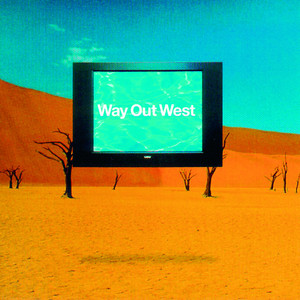

Psytrance(140-150 BPM)
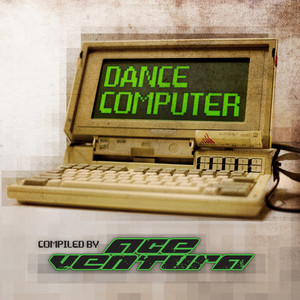
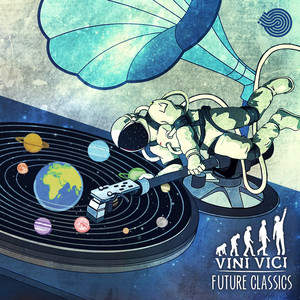
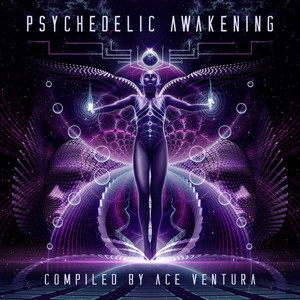
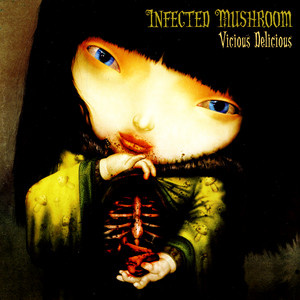
Goa Trance(140-150 BPM)
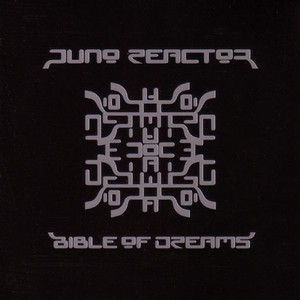

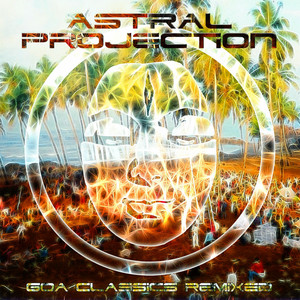

Twilight Psytrance(144-156 BPM)
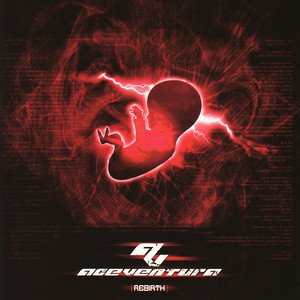
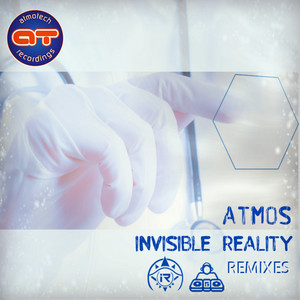
Progressive Psytrance(130-140 BPM)

Nitzhonot(145-155 BPM)

Related Charts
Mix Into Trance
Tempo overlap is only one part of the decision. These suggestions separate BPM fit from style fit so same-tempo but unrelated genres do not look like natural transitions.
| Genre | BPM fit | Style fit | Transition |
|---|---|---|---|
| Uplifting Trance136-142 BPM · typical 138 | High | High | Long blend, harmonic blend, or drop swap |
| Progressive Trance128-136 BPM · typical 132 | High | High | Long blend, harmonic blend, or drop swap |
| Vocal Trance132-140 BPM · typical 138 | High | High | Long blend, harmonic blend, or drop swap |
| Tech Trance135-145 BPM · typical 140 | High | High | Long blend, harmonic blend, or drop swap |
| Hard Trance140-150 BPM · typical 145 | High | High | Long blend, harmonic blend, or drop swap |
| Acid Trance135-145 BPM · typical 140 | High | High | Long blend, harmonic blend, or drop swap |
| Dream Trance130-140 BPM · typical 135 | High | High | Long blend, harmonic blend, or drop swap |
| Balearic Trance118-128 BPM · typical 124 | High | High | Long blend, harmonic blend, or drop swap |
Hey, it's Ben Modigell 👋
I've been DJing and producing music as "so I so," focusing on downtempo, minimal, dub house, tech house, and techno. My background in digital marketing, web development, and UX design over the past 6 years helps me create DJ tutorials that are clear, practical, and easy to follow.
Methodology
Last updated
Author and Methodology
Maintained by Ben Modigell, founder of Vibes. Ben builds DJ library, preparation, BPM, and harmonic-mixing tools for working DJs.
- Data used
- 21 mapped sub-genres and 40 reference tracks
- Source
- Audio features sourced from ReccoBeats (https://reccobeats.com); track metadata via Spotify Search API. Spotify deprecated audio-features for new apps in Nov 2024. Manual label reference tracks use Beatport BPM/key metadata where available.
- Evidence
- 21 Trance sub-genres and 40 reference tracks from a 391-track reference dataset.
- How this page is made
- This chart is generated from the Vibes genre taxonomy and reference track metadata where available. AI-assisted research helped draft taxonomy notes; chart ranges and tables are rendered from structured data.
Chart ranges are designed for DJ set planning. Producers can release tracks outside these ranges, especially remixes, VIP edits, live versions, and halftime arrangements.
Report a correctionThe visual way to organize your DJ library
Tag tracks by vibe. See everything at once. Export to rekordbox, Serato, Traktor or Engine DJ.
14-day free trial. Full access, no strings attached.
or see how it works