
Electrix Filter Factory
·ElectrixA discontinued rackmount analog stereo filter and modulation processor designed for DJs, producers, and live electronic performers.
Quick Answer
The original request, Electrixa, does not match a verifiable music-gear product. After checking current web results, the closest useful match is Electrix, the late-1990s effects brand. Within that line, the Electrix Filter Factory is one of the most searched and still-traded units, so it is the best valuable substitute for this page.
Product Overview
The Electrix Filter Factory is a discontinued stereo analog filter processor built for DJs, electronic performers, and producers who want movement, sweep, and rhythmic color outside the computer. If your setup leans toward hands-on performance, the Electrix Filter Factory still makes sense because it does one job fast and with real character.
That matters because many older rack effects feel menu-heavy now. The Electrix unit comes from a period when live electronic gear was designed to be grabbed in real time, not programmed in layers.
Current interest is almost entirely driven by the used market. The brand has a cult following, and used prices have risen as players look for tactile analog processing that feels different from plugin filters and modern all-in-one boxes.
In practice, this is for someone who values immediacy over full recall. If you want deep preset storage, modern support, or guaranteed servicing, newer options such as the Elektron Analog Heat +FX make more sense.
Filter Factory Features
The key appeal is simple: the Electrix Filter Factory gives you analog tone shaping with a performance-first interface. It is strongest when you need to shape loops, drum buses, synth lines, or a full DJ mix with clear physical control rather than software automation.
Its stereo design is important. Many compact filters excel on mono synths, but this kind of unit is far more useful in DJ and live PA chains where preserving a stereo image matters.
MIDI clock support also helps it fit older hardware rigs. You can sync movement to drum machines, sequencers, or hybrid setups instead of guessing modulation timing by ear.
This is where older Electrix gear still earns respect. It was built around workflow efficiency, not spec-sheet overload. That design approach shows up across the brand's reputation in archives and user discussions, even when complete official spec sheets are hard to find.
- Analog stereo filtering for mix-wide sweeps and tone shaping
- Performance-friendly front panel with immediate access
- Tempo-aware modulation behavior via MIDI clock sync
- Useful in DJ booths, live hardware sets, and studio routing
- Distinct color compared with cleaner modern digital filters
If you are building a tactile performance rig, it also pairs logically with a hardware effects processor guide or a DJ mixer alternatives roundup.
Technical Specs
Verified technical information for the Electrix Filter Factory is incomplete in public official sources today. The basics are clear, though: it is a rackmount stereo analog filter processor with MIDI sync features, line-level audio routing, and a hands-on control surface aimed at live use.
| Specification | Details |
|---|---|
| Product type | Rackmount analog stereo filter processor |
| Audio input | Stereo line input |
| Audio output | Stereo line output |
| MIDI | Clock sync and data dump functions reported in archived discussions |
| Status | Discontinued |
| Official dimensions | Not publicly available as of 20260421 |
| Official weight | Not publicly available as of 20260421 |
| Power details | Not publicly available as of 20260421 |
That gap is worth noting clearly. With legacy gear like this, retailer archives and user communities often preserve function-level details better than official brand pages, especially when the original manufacturer support is gone.
Who Is This For
The Electrix Filter Factory is best for intermediate users who already understand gain staging, external routing, and performance effects. It suits DJs, live electronic artists, and producers who want hands-on motion without relying on a laptop screen.
It makes the most sense in three cases. First, you want classic analog sweep behavior on stereo material. Second, you prefer dedicated hardware over plugin menus. Third, you enjoy building a rig around character pieces rather than all-in-one convenience.
It is less convincing for beginners. The lack of current support, unclear official specs, and used-only buying path add friction that newer products avoid.
Professionals can still use it well, but only if they accept the maintenance reality of aging rack gear. In a touring setup, reliability matters as much as tone.
In Practice
In real use, the Filter Factory is about feel. You route audio through it, grab the controls, and hear motion immediately. That direct response is the reason older Electrix pieces still attract performers.
In real club use, a readable, reliable, low-light-friendly workflow usually matters more than a long feature list. Gear like this works when you can read it quickly and react without second-guessing the signal path.
That underground-club perspective matters. In a dark booth, large workflow wins over feature count. A unit that does one thing clearly is often better than a device that does ten things slowly.
The tradeoff is obvious. Older hardware can sound great, but the buying experience is less predictable. Pots may be scratchy, power supplies may vary by region, and servicing costs can erase the value advantage if you buy the wrong unit.
For studio users, the appeal is different. The Electrix Filter Factory can add movement to static loops, restrained grit to synth parts, and a more performative edge to resampling workflows. If you like printing effects while recording, it is more inspiring than drawing automation after the fact.
Pros and Cons
The overall picture is balanced. The Electrix Filter Factory remains appealing because of sound, speed, and character, but it also demands patience because it is discontinued and lightly documented by current standards.
Pros
- Strong analog character, stereo-friendly workflow, immediate hands-on control, and lasting appeal for live electronic setups.
Cons
- -Used-market only, limited official documentation, possible maintenance needs, and less predictable ownership than a current production unit.
Price and Value
The value case depends almost entirely on condition and seller credibility. As of 20260421, used-market pricing commonly lands around $450 in the US, roughly €399 in the EU, and about £349 in the UK, but individual listings can swing higher for cleaner examples or lower for untested units.
That places the Electrix Filter Factory in an awkward but interesting lane. It is cheaper than many premium modern analog processors, yet expensive enough that you should expect real functionality, not just nostalgia.
If you buy one, budget for servicing. This means the true ownership cost may be closer to a newer mid-range product. For some players, the tone and workflow justify that. For others, a current box with warranty is the smarter move.
Used buyers should check noisy pots, channel balance, MIDI response, and power compatibility before committing. If you want lower risk, compare it against a Sherman Filterbank 2 overview or a modern analog processor guide.
Alternatives
The best alternatives depend on what you value most. Choose Sherman for deeper aggression, Elektron for modern integration, or Akai for DJ-oriented analog control with a similarly performance-led mindset.
| Product | Price | Key Difference |
|---|---|---|
| Sherman Filterbank 2 | $899 | More extreme sound design and routing flexibility |
| Elektron Analog Heat +FX | $999 | Modern desktop workflow, recall, and broader processing options |
| Akai MFC42 | $700 | DJ-centric analog filter layout with performance focus |
Bottom Line
The Electrix Filter Factory is still interesting because it solves a specific problem well. It gives you hands-on analog filter movement on stereo material, and it does that with the kind of immediacy many modern devices still struggle to match.
The catch is ownership risk. You are buying discontinued hardware with incomplete public documentation and all the usual used-market variables.
If you want character, tactile workflow, and a piece of late-1990s live-electronic design history, it can be worth the hunt. If you want support, recall, and predictability, a newer processor is the better buy.
The visual way to organize your DJ library
Tag tracks by vibe. See everything at once. Export to rekordbox, Serato, Traktor or Engine DJ.
14-day free trial. Full access, no strings attached.
or see how it works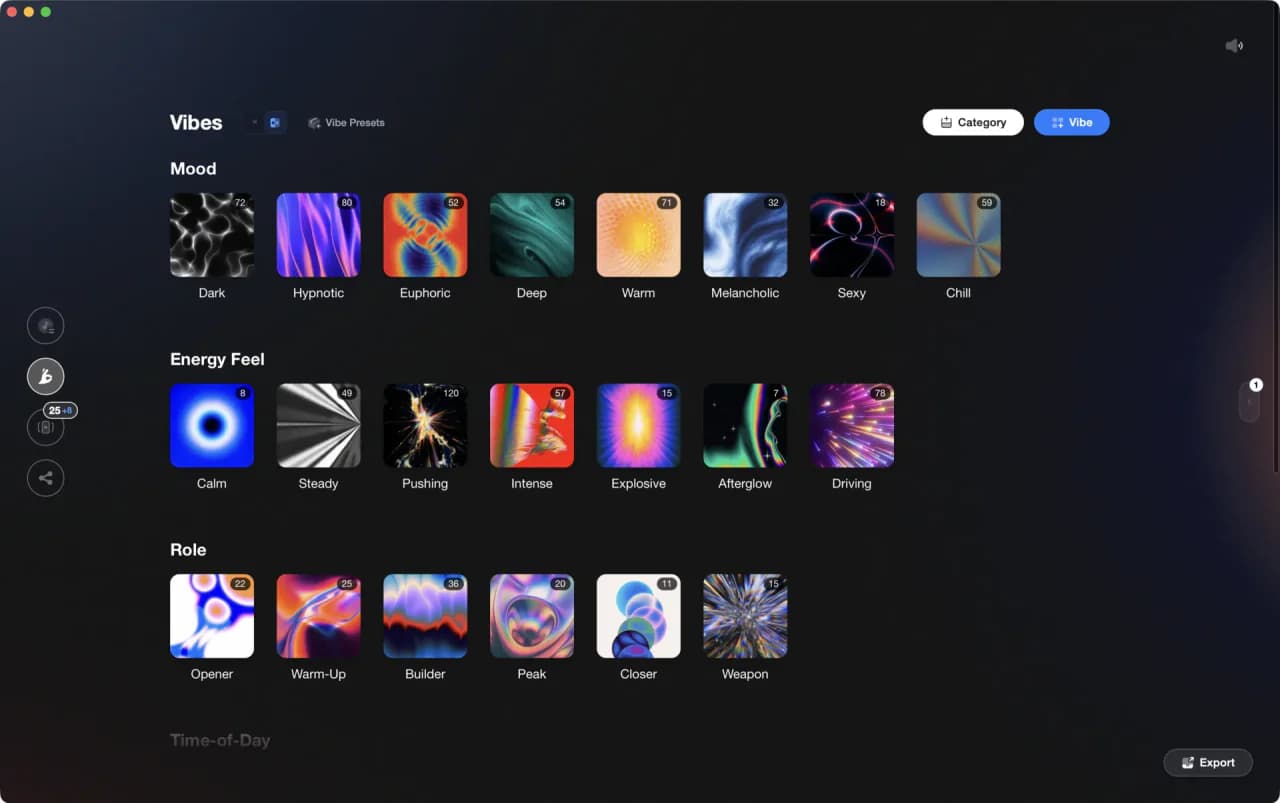
Frequently Asked Questions

Hey, it's Ben Modigell 👋
I DJ and produce as so I so: downtempo, minimal, dub house, tech house, and techno (releases on Spotify and SoundCloud, links above). Everything I write here comes from my own gigs, studio sessions, and library cleanups: the rules I follow, the failure modes I have actually hit, and the workflow I use when nobody is watching. If a technique did not earn its place in my own sets, it does not make it into a tutorial.